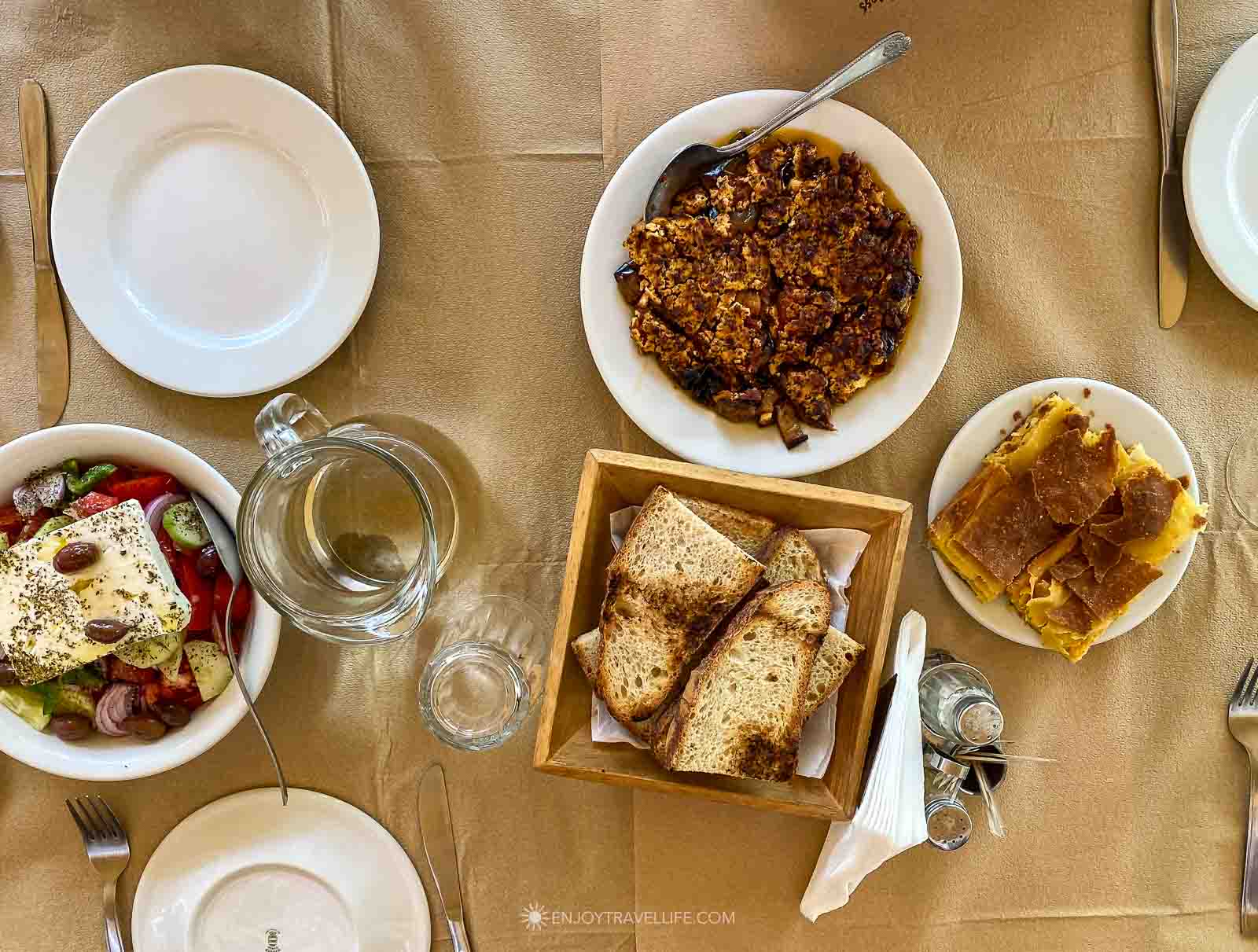
How to Find Authentic Food Experiences When You Travel
The authentic food experiences you remember from a trip are rarely the ones on a “best restaurants” list. More often,…

Two decades of travel teaches a few things the hard way. These are the practical tips, strategies, and lessons that save you from making the same mistakes.
The authentic food experiences you remember from a trip are rarely the ones on a “best restaurants” list. More often,…
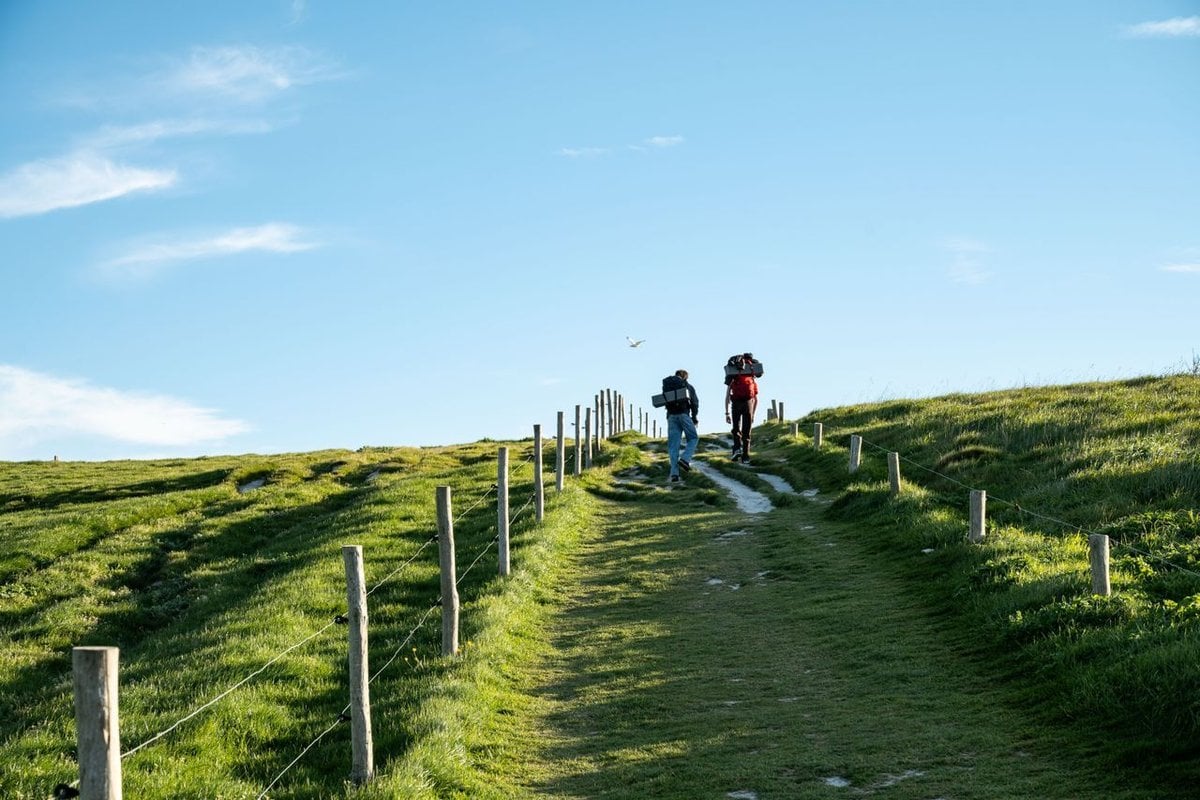
People often begin the Camino expecting a physical challenge or a spiritual journey. What many remember most is the rhythm of walking, the generosity of strangers, and how little they actually needed along the way.
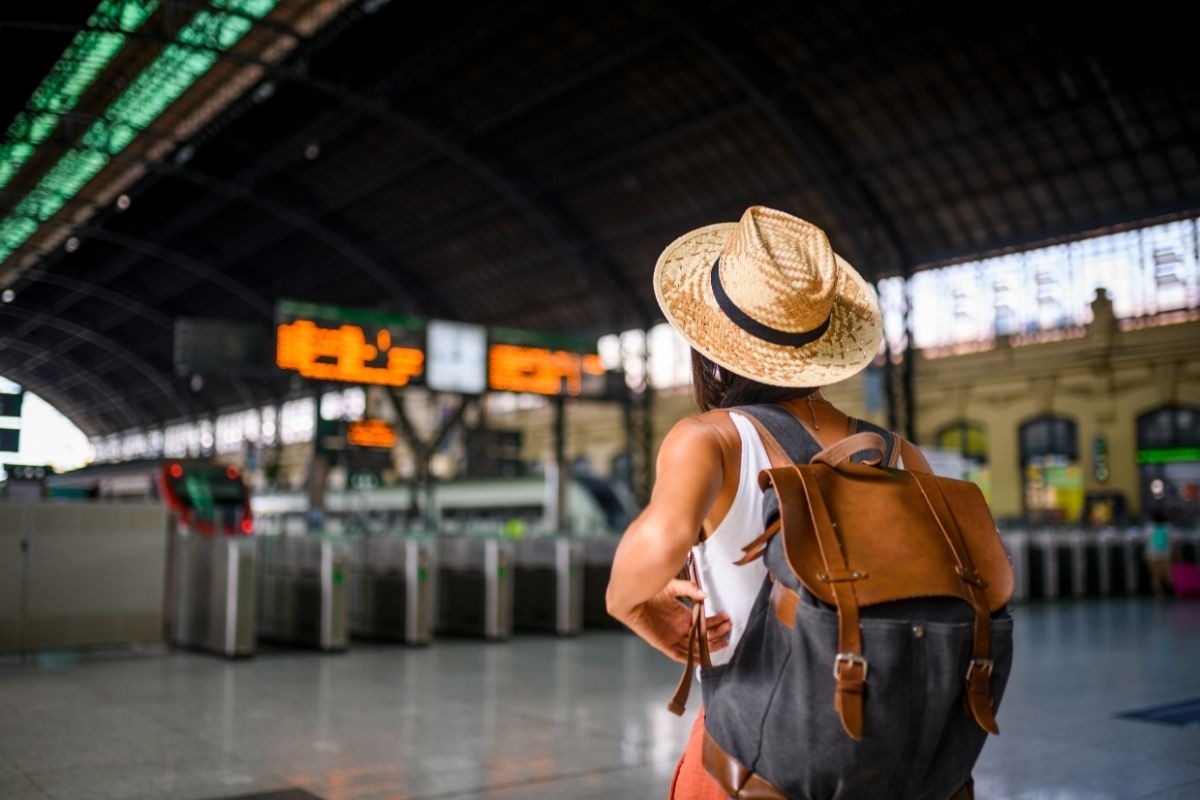
People who travel well rarely have better luck; they’ve built small routines that quietly remove friction, from how they pack to how much they refuse to schedule. It shows up less in the highlights than in the days that don’t go sideways.
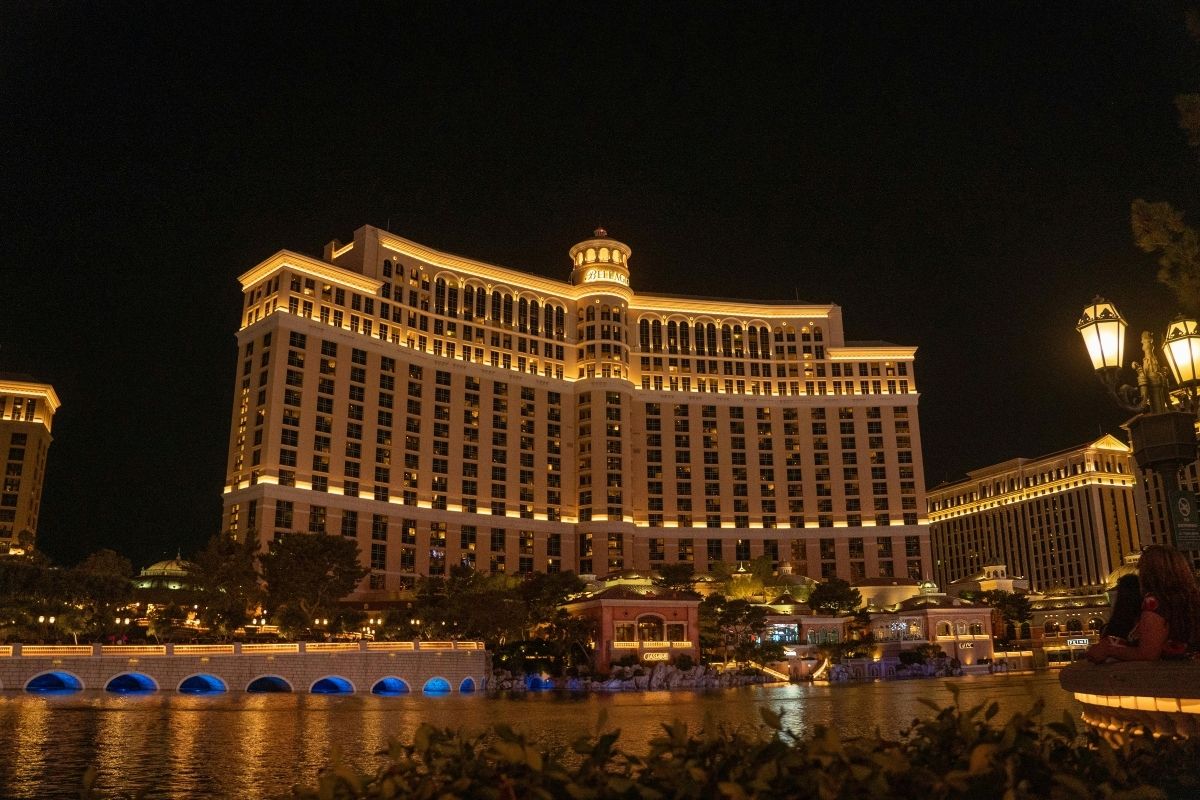
The poker-travel life looks like glamour, all new cities and big pots, but the day-to-day is long hours indoors, real financial swings, and a lot of solitude between the highlights. Whether it suits you has less to do with how well you play than with your tolerance for risk and time alone.

Vision is easy to forget until a lost pair of glasses or dry, tired eyes derails a day abroad. A little redundancy, a spare pair, a copy of your prescription, decent sunglasses, keeps a small problem from becoming a trip-ruining one.

A pet passport is less a document than a sequence of vet steps that have to happen in the right order: microchip, then vaccination, then a waiting period before you can travel. Getting the timing wrong is what causes the delays, so it pays to start months ahead.

Arizona’s outdoor adventures reward a taste for contrast: rafting the Colorado at the canyon floor, hiking Sedona’s red rock, then trading the desert for pine forest and cool air near Flagstaff. Planning around the seasons and elevations makes the experience much more enjoyable.

Adventure and a small budget aren’t opposites; the constraint often produces the better trip. Flexibility on when and where you go, a slower pace, and destinations where your money stretches farther usually matter more than finding another discount.

Funding travel by working as you go is more achievable than ever, but the dream skips the realities: time zones, patchy wifi, visa and tax rules, and the discipline to actually work while somewhere tempting. The people who sustain it treat it as a job that happens to be abroad, not a permanent holiday.

Travel within a co-parenting arrangement runs smoothly when the ground rules are settled well before anyone packs: schedules, travel consent, how you’ll communicate, and keeping a child’s routine steady across two homes. Clear agreements spare everyone the friction, and keep the focus where it belongs, on the kids.

A family trip usually reflects whoever did the planning. Matching the pace to the kids, building in downtime, and booking around meals and naps often matter more than the destination itself.

An adventure trip with a family lives or dies on its youngest, least eager member: the itinerary has to flex to the shortest attention span, not the highest ambition. The trips that work build around one shared challenge everyone can meet, rather than a schedule that suits only the fittest.

Children travel best when the trip bends to their routine rather than the reverse: familiar snacks, protected nap and bedtimes, and modest expectations for any single day. Most family-travel stress comes from packing the schedule as if the kids weren’t on it.

A travel budget works best as a plan for where the money goes, not a cap on it: deciding up front which parts of a trip deserve a splurge and which don’t. The savings are set before you book, not scrounged once you arrive.

Staying active while traveling is easier when movement is built into the itinerary, walking a city, hiking a trail, or exploring on foot instead of treating exercise as another item on the day’s checklist.

Long travel days are often the most overlooked part of a trip. Planning ahead for food, rest, entertainment, and connection time can make those hours feel like part of the journey instead of something to get through.

The UAE suits a last-minute trip better than most places: frequent flights, rooms to be had, and near-guaranteed sun. The catch is planning around what doesn’t flex, the summer heat, Ramadan hours, and local customs that shape what’s open and how to dress.

A short New York visit forces a choice most travelers resist: pick a couple of neighborhoods and go deep, or spend the trip underground chasing a checklist across the boroughs. The city rewards whoever accepts they can’t see it all in a weekend and plans for that.

Adventure doesn’t expire with age; what changes is the way you choose it. The travelers who keep exploring longest tend to match the challenge to their interests and abilities rather than trying to prove something.

Most of what derails a trip isn’t dramatic: a stomach bug, a wrenched back, exhaustion from trying to do too much. Traveling safely is mostly unglamorous maintenance, sleep, water, sensible food, and pacing, rather than preparation for disaster.

Travel is hard on a body already managing aches: long hours seated, heavy bags, strange beds, days on your feet. Staying comfortable comes from planning around your limits rather than powering through them, building in rest, moving often, and not booking as if you were twenty.

Staying connected abroad is a solved problem for anyone who sets it up before leaving: an eSIM or local plan, offline maps, and a backup for when the signal drops. The harder question is how connected you actually want to be, and where a little disconnection improves the trip.

Personalized travel is often sold as an upgrade, but it’s really a matter of subtraction: cutting the generic must-sees to make room for the few things that match your interests. The result is a shorter itinerary that fits you, rather than a longer one that fits everyone.

Booking travel for a team is really about removing friction for everyone else: clear policies, one booking process, and defaults that spare each traveler the same round of decisions. Good corporate travel is measured by how little the travelers have to think about it.

The hardest part of a long-distance move is rarely the new place; it’s the gap in between, where your belongings, your address, and your daily life are all in transit at once. Planning the interim, temporary housing, what ships and what waits, is what keeps the move from becoming limbo.

A cross-country move runs on a long tail of small administrative tasks, forwarding mail, transferring utilities, updating your license, that nobody misses until they cause a problem. The boxes are the visible work; the paperwork is what actually decides how smoothly you land.

Packing light is a decision made before the suitcase opens: most travelers wear a fraction of what they bring and carry the rest as insurance against situations that never arise. A small, versatile wardrobe you actually wear leaves you carrying less, and deciding less, every day of the trip.

The traveler who makes business trips look easy isn’t tougher; they’ve turned repetition into routine, a bag packed and ready, status that smooths the airport, a rhythm that protects sleep and focus. Comfort on the road is built between trips, not summoned during them.

Australia is the size of a continent, and the common mistake is trying to see too much of it at once. The distances between its icons are measured in flights, not hours, so choosing one region usually makes for a much better trip.

A walking holiday changes what you notice: at three miles an hour, the ground between destinations becomes the trip, not a blur past a car window. The draw isn’t fitness but a slower way of seeing a place, arriving somewhere having actually crossed the distance to it.

A pool is easy to underuse, somewhere to cool off and little more, until a few games and simple activities give everyone a reason to stay in the water a little longer.

A road trip with teenagers goes better when they’re given a stake in it: a leg to navigate, a stop they chose, some say over the playlist and the pace. Most of the friction comes from treating near-adults like passengers rather than co-planners.

An injury on a trip is worse than the same injury at home, because everything familiar, your doctor, your pharmacy, your language, is suddenly missing. What’s worth sorting before you go is how you’d actually get care: what your insurance covers abroad, where the nearest clinic is, what’s in the kit.

The appeal of travel inspired by Griselda is the atmosphere, not the plot. Think vintage Miami hotels, tropical color, and the style of a particular era. Re-creating that feeling comes from choosing the right neighborhood, hotel, and wardrobe, not from spending extravagantly.

Adventure and small children seem opposed. One wants spontaneity while the others need routine. The trips that work combine one memorable adventure each day with familiar meals and enough time to rest.

Renting abroad trips up newcomers on the parts that never come up at home: local deposit customs, guarantor demands, agents who work differently, a lease in a language you’re still learning. The apartment is the easy find; the terms and the trust around it are what take time to get right.

Sydney divides between the harbor everyone photographs and the beach-and-suburb life locals actually live, and the ferry network is the thread between them. A good itinerary uses the water as transport, trading a checklist of landmarks for the city’s habit of living outdoors.

A child studying abroad is often harder on the parent than the student: the instinct to manage collides with a time zone and a growing independence. The families who handle it well trade oversight for a lighter touch, staying reachable and informed without hovering from an ocean away.

The problems that derail trips are remarkably predictable: a lost passport, a missed connection, a sick day, or a card that stops working abroad. A little preparation before you leave prevents many of them from becoming more than an inconvenience.

Nainital shifts with the seasons more than most: summer brings pleasant weather and heavy crowds fleeing the plains, the monsoon paints the hills green but muddies the roads, and the clear, quiet months in between reward anyone who wants the mountain views without the queues.

A dragon boat race is as much festival as sport: the drums, the crowds, and the ritual around the water are half the reason to come. For a traveler, the best races double as a window into a place’s traditions, from Hong Kong’s harbor to smaller river towns marking the season.

The city matters as much as the school for a student abroad: the years are shaped by the life outside the lecture hall, cost of living, safety, language, how easily an outsider finds a footing. The best cities for it make the ordinary business of settling in straightforward, so the education isn’t the only thing learned.

Educational travel works best when students participate instead of simply observing. The strongest programs ask them to solve problems, engage with local people, and experience daily life rather than just visit the landmarks.

Illinois is more than Chicago, though the skyline gets all the attention: downstate offers river towns, prairie, and Lincoln’s history at a slower pace entirely. A good getaway decides early whether it’s a city trip or a country one, since the two share little beyond a state line.

Staying fit on the road works better when you lower your expectations instead of trying to recreate your routine at home. A daily walk, a short bodyweight workout, or a flight of hotel stairs keeps the habit going until you’re back.

College is one of the few times in life with abundant free time and very little money, which also makes it one of the best opportunities to learn how to travel. A trip planned on a student budget often teaches more independence than a comfortable one taken later.

A legal problem abroad is harder than the same one at home, tangled in an unfamiliar system, a different language, and rights that may not work the way you assume. Knowing in advance who to call, your embassy, a local lawyer, your insurer, spares you scrambling at the worst possible moment.

A balcony quietly changes what a hotel room is for, turning a place to sleep and shower into somewhere to linger. It rarely costs much more, and the return, morning coffee outside, evening air, a view you actually use, runs well ahead of the small upcharge.

A travel blog does more for a student’s writing than for their audience, at least at first. Knowing you’ll write about a place sharpens how you notice it, and the habit of turning experience into clear prose is a skill that outlasts any single trip.

Facing an accusation far from home means dealing with an unfamiliar legal system while rattled and out of your depth. The steadying move is knowing a few basics ahead of time, your right to stay quiet, your right to a lawyer, so a frightening situation doesn’t get worse through panic.