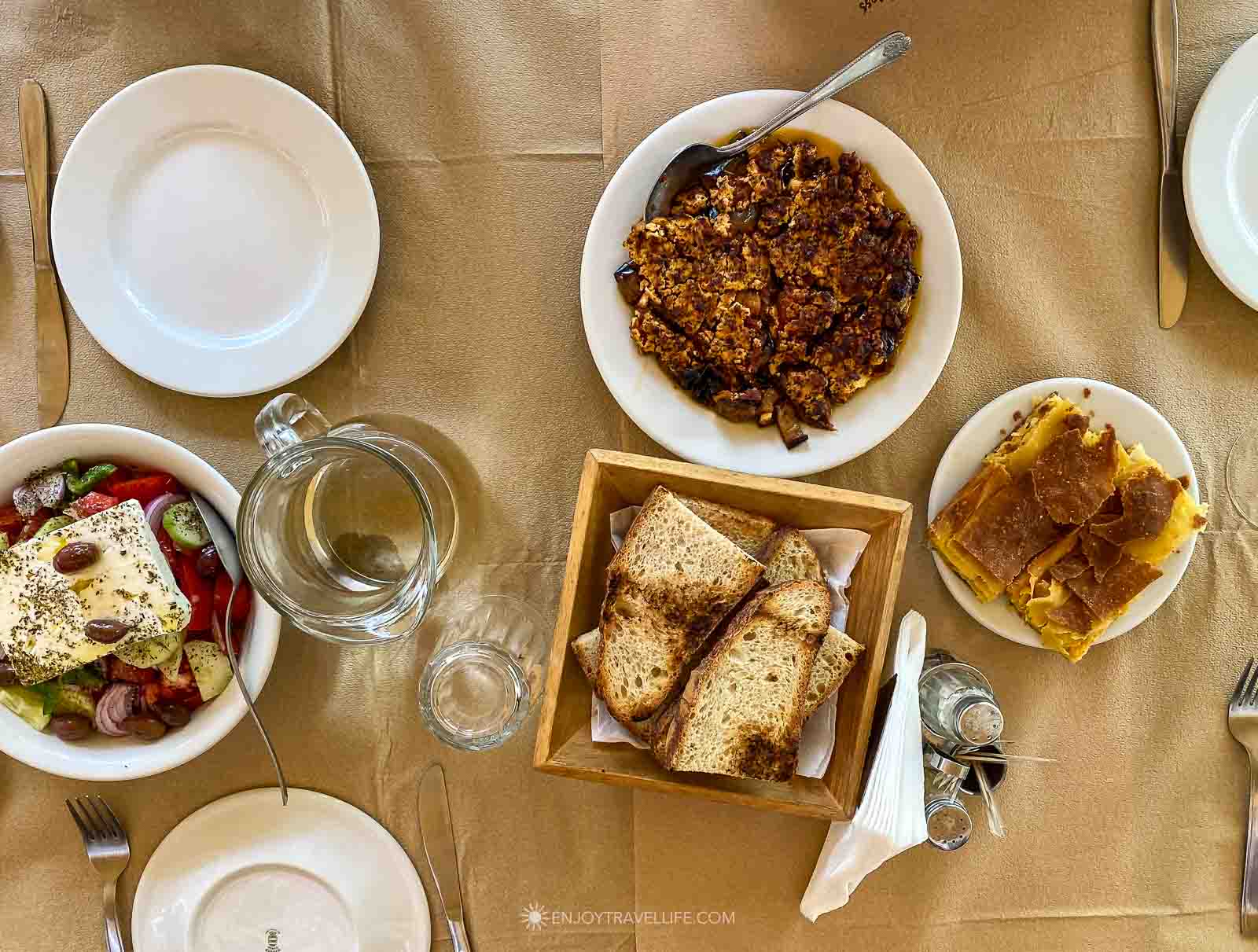
How to Find Authentic Food Experiences When You Travel
The authentic food experiences you remember from a trip are rarely the ones on a “best restaurants” list. More often,…

Good trips are planned, not lucky. This is the full collection of planning articles on the site, covering everything from picking dates and booking smart to packing and getting around once you land.
The authentic food experiences you remember from a trip are rarely the ones on a “best restaurants” list. More often,…
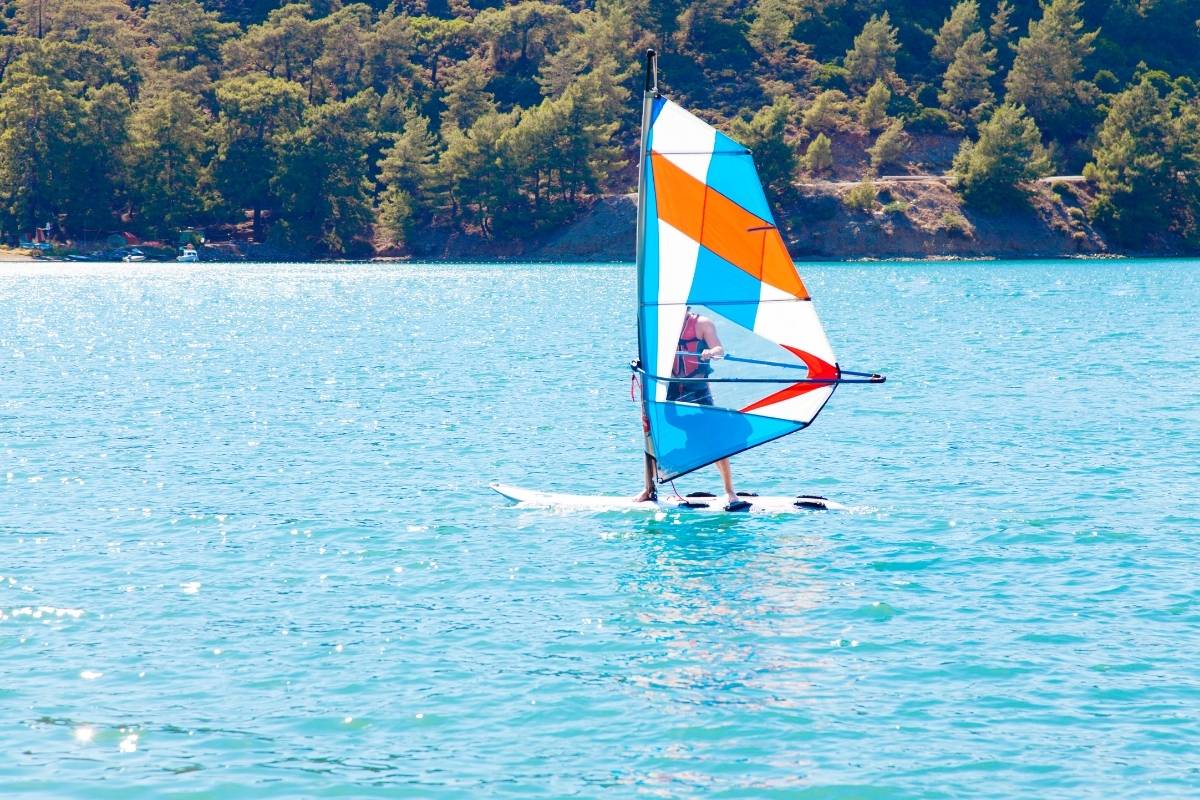
The smartest move for a beginning windsurfer is often not buying at all: rent or take a lesson first, so you learn what actually suits you before spending. When you do buy, a larger, stable board and a small sail, bought used, forgive mistakes and cost a fraction of pro gear.

The East Coast’s biggest casinos have grown into full resorts, where restaurants, entertainment, spas, and hotels are as much a draw as the gaming floor.

A pet passport is less a document than a sequence of vet steps that have to happen in the right order: microchip, then vaccination, then a waiting period before you can travel. Getting the timing wrong is what causes the delays, so it pays to start months ahead.

A weekend retreat works only when travel doesn’t eat the weekend: somewhere close enough to reach without a whole day in transit, simple enough that you’re not managing an itinerary. The point is to decompress rather than sightsee, which the best short escapes make almost effortless.

The best birthday trips reflect the person you’re celebrating rather than a checklist of “must-do” experiences. Choosing one memorable place or experience often means more than trying to fit everything into a single weekend.

Winter travel leaves less room for improvisation than summer trips. Shorter days, changing weather, and holiday demand all reward planning ahead. The work that feels tedious in October often makes for a much smoother trip in January.

Fall travel trades summer’s heat and crowds for thinner lines, softer prices, and milder days, at places that spend July overrun. The downside is a shorter season and less predictable weather, which is exactly why the timing rewards some flexibility.

A luxury rental isn’t simply a hotel with more space. Staffing, cleaning, concierge services, deposits, and cancellation policies all work differently, making it especially important to understand exactly what’s included before you book.

Children travel best when the trip bends to their routine rather than the reverse: familiar snacks, protected nap and bedtimes, and modest expectations for any single day. Most family-travel stress comes from packing the schedule as if the kids weren’t on it.

A romantic getaway succeeds on what the couple never has to think about: the logistics settled far enough ahead that no one is navigating or problem-solving mid-trip. The preparation that disappears into the background is what leaves room for the trip itself.

A travel budget works best as a plan for where the money goes, not a cap on it: deciding up front which parts of a trip deserve a splurge and which don’t. The savings are set before you book, not scrounged once you arrive.

Traveling with friends tests the group more than the destination: money handled unevenly, decisions nobody wants to own, paces that don’t match. Agreeing how you’ll split costs and make calls before you leave is what keeps the trip from straining the friendships.

Staying active while traveling is easier when movement is built into the itinerary, walking a city, hiking a trail, or exploring on foot instead of treating exercise as another item on the day’s checklist.

The Upper West Side is a quieter New York than the midtown postcard: Central and Riverside Parks at its edges, the museums and Lincoln Center, and the rhythm of a neighborhood people actually live in. Its pleasures are the everyday kind, best found by moving at a resident’s pace rather than ticking off landmarks.

Family trip planning stalls when everything is decided at once; it moves when one constraint leads, the budget, the school calendar, the one thing everyone must do, and the rest falls in behind it. Starting from the fixed point turns an overwhelming list into a sequence.

Booking travel for a team is really about removing friction for everyone else: clear policies, one booking process, and defaults that spare each traveler the same round of decisions. Good corporate travel is measured by how little the travelers have to think about it.

Mixing work and travel usually means doing both a little worse, unless you draw the line clearly: real working hours in one place, the trip in the rest, instead of a blur that shortchanges each. The people who manage it protect the boundary rather than pretend it isn’t there.

Voluntourism promises to help while you travel, but the impact depends entirely on the fit: whether the work matches a real local need and your actual skills, or mostly makes the volunteer feel good. The trips worth taking are built around the community’s priorities, not the visitor’s experience.

Off the beaten path is a trade, not just a brag: fewer crowds and a place more itself, in exchange for thinner infrastructure, longer travel, and less to fall back on when plans slip. It suits travelers who’d rather solve a few problems than share the view with a tour bus.

Gatlinburg runs on two registers a couple can choose between: the neon strip of mini-golf and pancake houses, and the national park at its back door, quiet trails and mountain overlooks minutes away. The town works best for a weekend that swings between the two rather than committing to either.

Hampi asks for more time than most itineraries give it: the ruins of a once-vast capital are scattered across miles of boulder-strewn landscape, best seen slowly, by bike or on foot, over days rather than hours. Three days lets the place unfold instead of blurring past a bus window.

Italy’s romance lives in the unhurried hours more than the postcard set-pieces: a long dinner, an evening passeggiata, a piazza emptying at dusk. The couples who feel it most pick a few places and slow down, rather than racing Venice to Tuscany to Amalfi in a week.

Sydney divides between the harbor everyone photographs and the beach-and-suburb life locals actually live, and the ferry network is the thread between them. A good itinerary uses the water as transport, trading a checklist of landmarks for the city’s habit of living outdoors.

Affording a vacation is usually settled long before booking, in the small, boring habit of setting money aside a little at a time. The travelers who go often aren’t richer so much as more deliberate, treating the trip as a line in the budget rather than a windfall to hope for.

Most travel trouble is ordinary and preventable: a pickpocket, a taxi scam, a bag left unwatched, not the dramatic risks people fear. Traveling smart is mostly low-profile habit, splitting your cash, keeping copies of documents, staying alert at the predictable pressure points like stations and crowds.

Somewhere in adulthood, outdoor time narrows to errands and the occasional walk. Making time again for a paddle, a long hike, or a swim has less to do with fitness than simply remembering how enjoyable being outside can be.

Nainital shifts with the seasons more than most: summer brings pleasant weather and heavy crowds fleeing the plains, the monsoon paints the hills green but muddies the roads, and the clear, quiet months in between reward anyone who wants the mountain views without the queues.

The best time to ski is a balance, not a date: midwinter brings the most reliable snow but also the biggest crowds and prices, while late season trades powder for sunshine, empty slopes, and cheaper lift tickets. Which is best depends on whether you’re chasing conditions or value.

A dragon boat race is as much festival as sport: the drums, the crowds, and the ritual around the water are half the reason to come. For a traveler, the best races double as a window into a place’s traditions, from Hong Kong’s harbor to smaller river towns marking the season.

A first European trip usually plans for the cathedrals and forgets the friction: the border-free but train-heavy distances, the tourist taxes, the shops shut on Sundays, the cash a card won’t replace. The surprises rarely spoil a trip, but planning for them keeps the small stuff from eating the days.

Illinois is more than Chicago, though the skyline gets all the attention: downstate offers river towns, prairie, and Lincoln’s history at a slower pace entirely. A good getaway decides early whether it’s a city trip or a country one, since the two share little beyond a state line.

The best student travel destinations aren’t the fanciest but the friendliest to a small budget: affordable to reach, easy to get around, and full of other young travelers. Stretching a limited budget without sacrificing the experience is what makes these destinations stand out.

The point of packing well isn’t cramming more in; it’s being able to find what you need without emptying the bag. Rolling, packing cubes, and a set place for everything save some space, but mostly they save you the daily hunt through a jumbled suitcase.

Affordable luxury is less about spending more than spending intentionally. Choosing shoulder season, redeeming points for one memorable hotel stay, or planning a special meal often delivers the experience people remember without the full luxury price tag.

A family trip runs more smoothly when everyone shares the same expectations about the day ahead. Agreeing on the pace and priorities before you leave prevents many of the small frustrations that can build over the course of a vacation.

A vacation rental should fit how you’ll actually spend the days, not how it looks in the listing. Its location against your plans, a layout that suits the group, and reviews that mention the noise, the stairs, and the walk to anything, tell you more than the photos do.

Cutting your own Christmas tree turns an errand into an outing, which is the whole appeal. The tree you drag home is rarely more perfect than a lot’s, but the cold walk, the cocoa, the choosing together become the memory the ornament boxes never hold.

A great overseas holiday usually rests on the dull work done beforehand, the documents, the money sorted, the local customs read up on, the health precautions taken. First-timers focus on the sights and learn, usually the hard way, that the trip only feels effortless when the logistics were handled first.

Dubai contains several cities under one name, and the neighborhood you choose shapes the entire trip. Whether you’re looking for beaches, historic districts, nightlife, or luxury shopping, matching the location to your priorities matters more than finding the perfect rental.

The trips people remember best usually leave room for something unexpected. A conversation, a wrong turn, or an unplanned afternoon often becomes the story that’s still being told years later.

Fishing looks like the calmest of pastimes, which is exactly why its hazards get overlooked, sudden weather, slick rocks, a hook in the wrong place, hours of sun. The precautions are dull and easy to skip, right up until the day one of them would have saved the trip.

Traveling with friends often exposes differences that never matter at home, from spending habits to pace and daily priorities. Talking through those expectations before you book makes it much easier for everyone to enjoy the trip together.

A radius map flips the usual question. Instead of picking a destination and hoping it’s close, you start with the time you have and let the map hand you the options within reach.

Flexible planning means leaving gaps on purpose, fewer fixed bookings, room to linger somewhere good or abandon somewhere dull. The freedom people love about a road trip lives in what you deliberately leave unplanned.

Hostels save money, but the company keeps people coming back: the built-in sociability that makes solo travel far less solitary. It cuts both ways, of course, thin walls, shared bathrooms, and dorm-mates who keep their own hours.

The most common itinerary mistake is packing it too full, planning as if every hour needs to be scheduled. A good itinerary leaves room to linger, change plans, or follow an unexpected recommendation along the way.

Real luxury in a hotel shows up in service more than square footage, the request anticipated, the problem solved before you notice it, the staff who make it look effortless. The marble and the minibar are easy to copy; the attentiveness is not.

The Middle East covers far more ground than the phrase suggests, from glass-tower cities to two-thousand-year-old desert ruins. For a first visit, a few countries make an easier, warmer introduction than others.

Kitulo isn’t a Big Five safari but a high plateau that erupts into wildflowers when the rains come, which locals call the Garden of God. It suits a particular traveler and a narrow season, the botanist and the hiker over the game-drive crowd, and only in the months it actually blooms.