
3 Outstanding Cultural Things to Do in Worcester, Massachusetts
Some cities earn the detour with one great museum. Worcester makes you choose among several.

Museums, galleries, historic sites, and cultural experiences that go beyond checking a box. The best ones make you stop and think, and they are collected here.
Some cities earn the detour with one great museum. Worcester makes you choose among several.
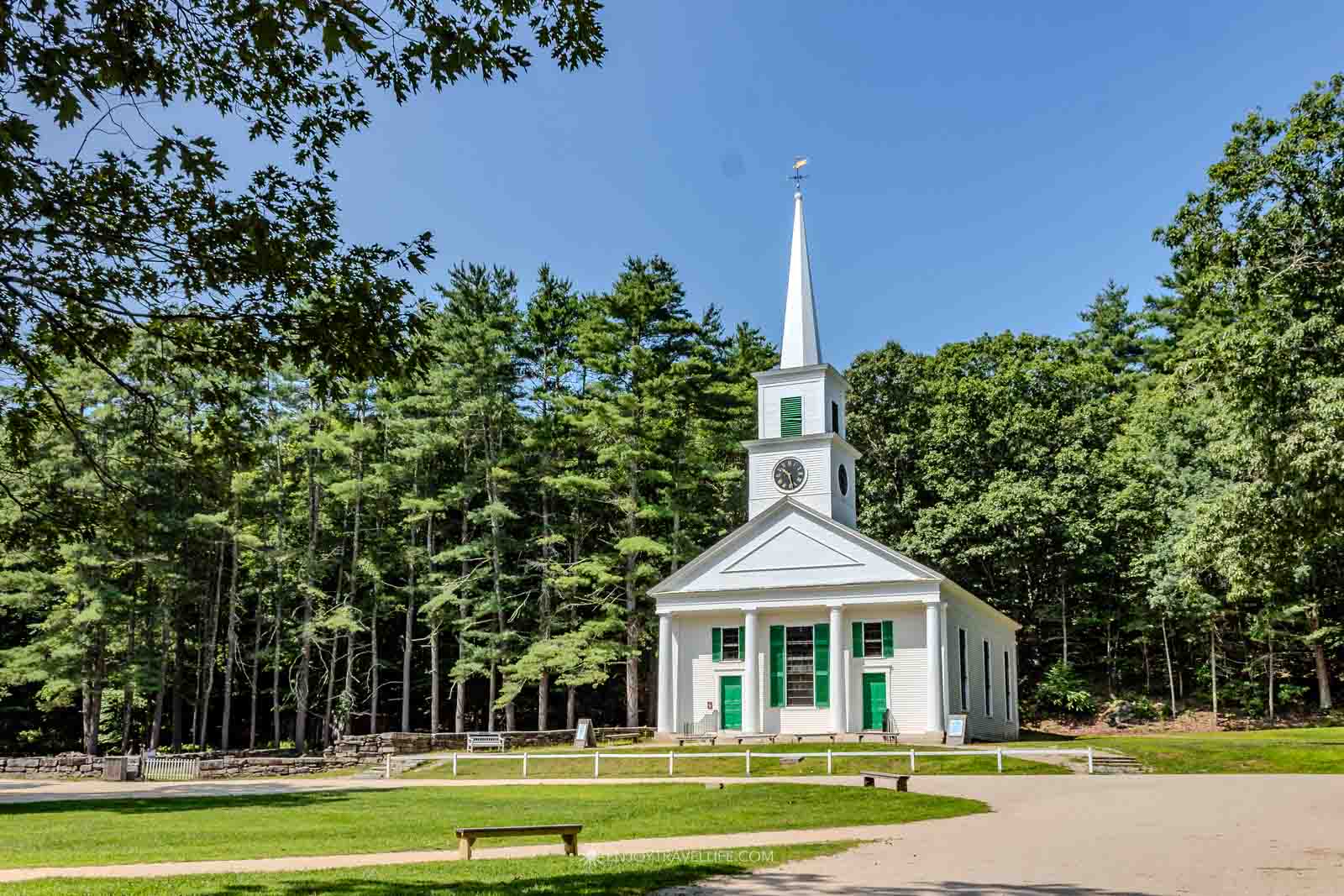
At New England’s largest living history museum, the 1830s carry on as a working town with real forges and real conversation. This year, the programming reaches back further, to a revolution still undecided.
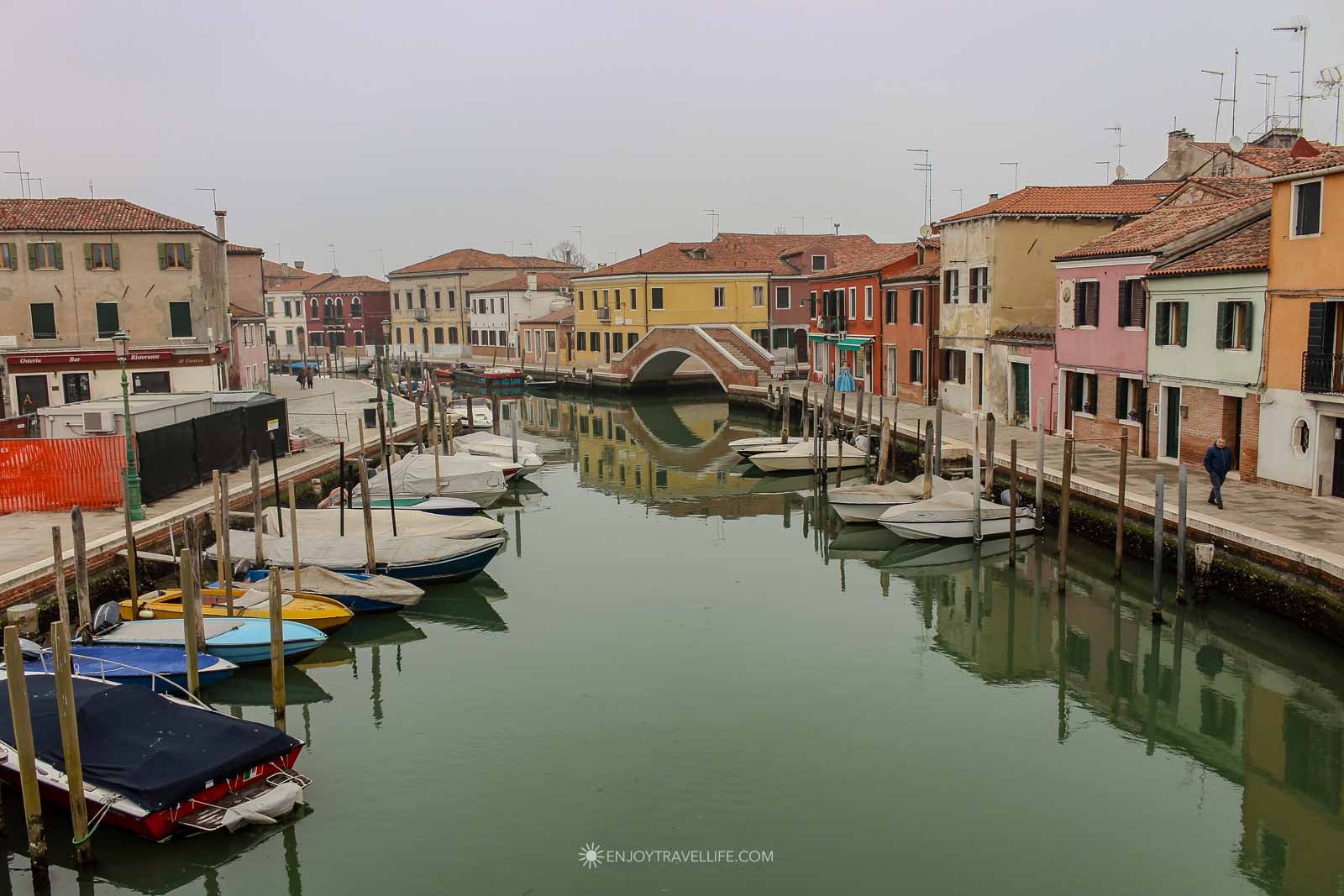
Murano and Burano get lumped into one trip, but they reward different things: one for glass, one for color. The ferry between them is what the day really turns on.
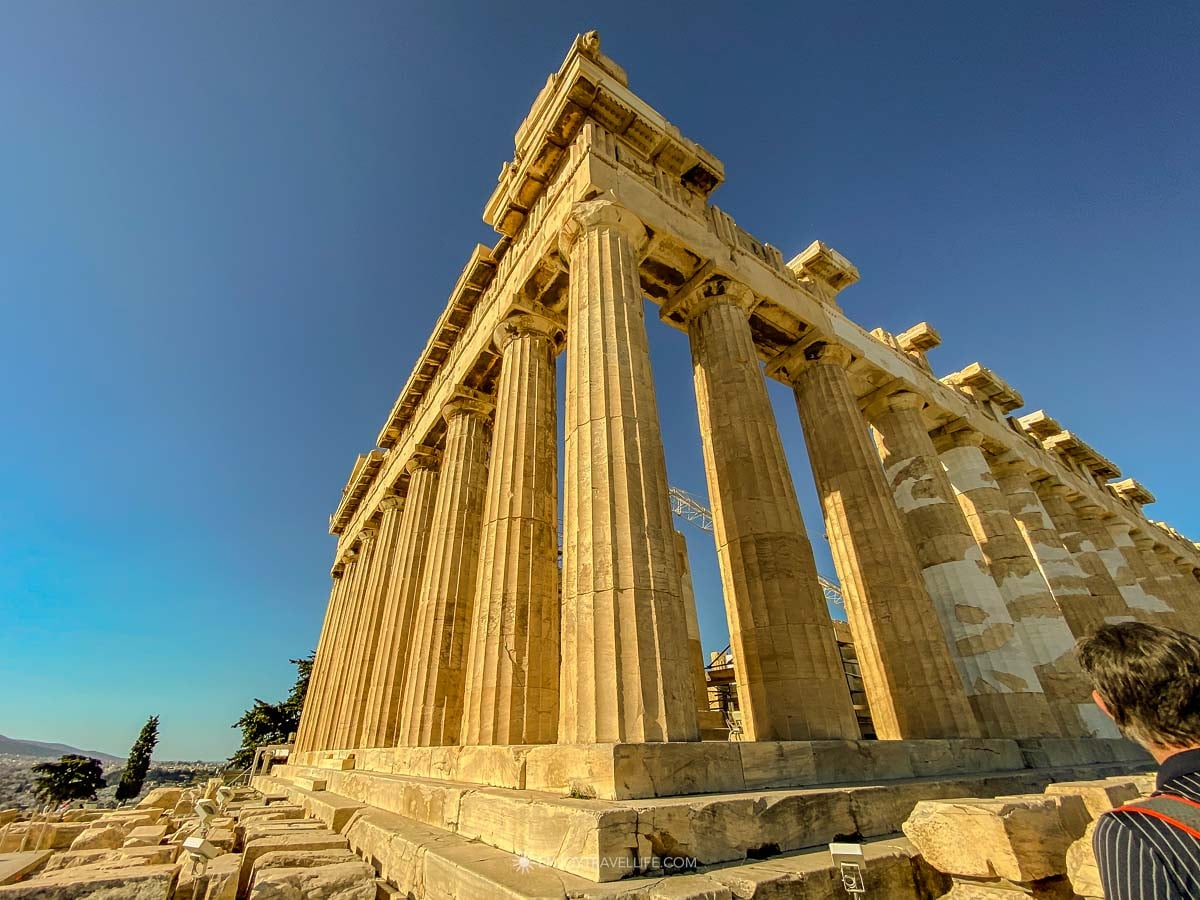
It’s tempting to treat Athens as a layover on the way to the islands. Spend two days here in the right order, and it becomes a destination in its own right.

A safety warning about one Mexican state says little about a beach town three hundred miles away. Reputation tends to lag the reality on the ground, and choosing the right region matters more than the country’s overall headlines.

The American Heritage Museum houses one of the world’s largest collections of tanks and armored vehicles, many still operational and occasionally demonstrated for visitors. Seeing them in person offers a very different perspective than reading about them in a museum case.

The smartest move for a beginning windsurfer is often not buying at all: rent or take a lesson first, so you learn what actually suits you before spending. When you do buy, a larger, stable board and a small sail, bought used, forgive mistakes and cost a fraction of pro gear.

A genuinely pet-friendly home comes down to materials and layout more than gadgets: scratch-tough fabrics, floors that wipe clean, a spot that’s theirs by the door. Done well, the pet-proofing simply disappears into the design.

New York’s finest views often aren’t from the ticketed observation decks. A Staten Island Ferry crossing, the Brooklyn Bridge at dusk, or a rooftop overlooking the skyline each offers a different perspective on the city.

A family trip usually reflects whoever did the planning. Matching the pace to the kids, building in downtime, and booking around meals and naps often matter more than the destination itself.

Baltimore surprises first-timers who only know its rough reputation: a city of tight-knit neighborhoods, world-class museums, and the best crab on the East Coast. The Inner Harbor gets the postcards, but the character lives a few blocks inland in places like Fell’s Point and Hampden.

An adventure trip with a family lives or dies on its youngest, least eager member: the itinerary has to flex to the shortest attention span, not the highest ambition. The trips that work build around one shared challenge everyone can meet, rather than a schedule that suits only the fittest.

Philadelphia is more walkable than a city its size has any right to be: the Revolutionary landmarks, the great museums, and the food halls cluster close enough to cover on foot over a couple of days. A first trip works best built around neighborhoods rather than a checklist of sights.

The Upper West Side is a quieter New York than the midtown postcard: Central and Riverside Parks at its edges, the museums and Lincoln Center, and the rhythm of a neighborhood people actually live in. Its pleasures are the everyday kind, best found by moving at a resident’s pace rather than ticking off landmarks.

The UAE suits a last-minute trip better than most places: frequent flights, rooms to be had, and near-guaranteed sun. The catch is planning around what doesn’t flex, the summer heat, Ramadan hours, and local customs that shape what’s open and how to dress.

Lasting health owes more to what you repeat than to what you resolve: small daily habits that survive a bad week, not a grand overhaul that collapses at the first setback. Progress shows up in how quickly you return after slipping, not in an unbroken streak.

Personalized travel is often sold as an upgrade, but it’s really a matter of subtraction: cutting the generic must-sees to make room for the few things that match your interests. The result is a shorter itinerary that fits you, rather than a longer one that fits everyone.

Hampi asks for more time than most itineraries give it: the ruins of a once-vast capital are scattered across miles of boulder-strewn landscape, best seen slowly, by bike or on foot, over days rather than hours. Three days lets the place unfold instead of blurring past a bus window.

Kuala Lumpur makes the most sense as a crossroads where Malay, Chinese, and Indian cultures come together. The skyline may grab your attention first, but the neighborhoods and food tell the deeper story of the city.

Nicaragua offers a lot of what draws travelers to Costa Rica next door, with fewer crowds and gentler prices. A week is enough to pair colonial Granada with a volcano rising out of a lake, without ever feeling rushed.

The city matters as much as the school for a student abroad: the years are shaped by the life outside the lecture hall, cost of living, safety, language, how easily an outsider finds a footing. The best cities for it make the ordinary business of settling in straightforward, so the education isn’t the only thing learned.

Illinois is more than Chicago, though the skyline gets all the attention: downstate offers river towns, prairie, and Lincoln’s history at a slower pace entirely. A good getaway decides early whether it’s a city trip or a country one, since the two share little beyond a state line.

College is one of the few times in life with abundant free time and very little money, which also makes it one of the best opportunities to learn how to travel. A trip planned on a student budget often teaches more independence than a comfortable one taken later.

A student hauling everything across a long, cheap trip learns to pack light out of necessity, not taste. Every extra kilo gets carried up hostel stairs and onto budget airlines that charge for it, so the discipline earns its keep in ways a one-week holiday never tests.

Collecting travel maps is a quiet way of preserving journeys after the trip ends. Each one captures how a place saw itself at a particular moment, from changing borders to forgotten roads, making old maps as interesting for their history as their geography.

Wales gets skipped by travelers rushing between England and Scotland, which leaves its castles, coastline, and living Welsh culture pleasantly uncrowded. Given its own few days rather than a drive-through, it stands entirely on its own.

Savannah is famous for its squares and Spanish moss, but the marshes and maritime forest start just past the historic district. The wild side of the city is closer to downtown than most visitors realize.

Most visitors photograph Casa Batlló’s rippling facade and move on, missing the point: Gaudí built the inside almost entirely without straight lines, with a stairwell of shifting blue tile and a roof like a dragon’s spine. The interior is the reason to book a timed ticket rather than admire it from the sidewalk.

The Middle East covers far more ground than the phrase suggests, from glass-tower cities to two-thousand-year-old desert ruins. For a first visit, a few countries make an easier, warmer introduction than others.

Ottawa is a rare capital you can do well without a car: compact, transit-friendly, with the Parliament buildings, museums, and canal clustered in a walkable core. Arriving by bus and getting around the same way skips the parking and the expense, and the city is small enough that you won’t miss the wheels.

The Chesapeake is less a single destination than a whole coastline of small maritime towns, spread across two states and both shores. What you do depends on which stretch of water you point yourself toward.

Pigeon Forge’s museums are gloriously improbable, a Titanic replica, a crime museum, a Bible collection, all in one Smoky Mountain tourist town. They’re the rainy-day answer and a break from hiking, kitschy on the surface but often better put together than they have any right to be.

Flights are often the biggest expense of a Paris trip. Booking early, staying flexible, and understanding the difference between the city’s two airports can make a noticeable difference before the trip even begins.

A week gives you time to see more than Dubai’s skyline. Spend time in the older neighborhoods, explore the souks, and get out into the desert. Those experiences add a different perspective to the city.

A stone collected on a trip becomes a souvenir with a story behind it. For serious collectors, finding a rare stone like Turkey’s purple jade can become part of the reason for the journey itself.

Dubai’s luxury reputation scares off budget travelers, which is a shame. Underneath it runs a cheaper city: public beaches, the old creek with its one-dirham ferries, and street food far from mall prices. A family can have a full Dubai trip without the extravagant version. You just have to look past the marketing.

The best observation decks change the way you understand a city. Streets, rivers, and neighborhoods suddenly fit together in a way they never do from the ground.

Barcelona’s headline sights, the Gaudí buildings, the Ramblas, are worth seeing and always mobbed. The city opens up when you balance them with its everyday life: a neighborhood market, a long lunch, an evening in a quieter barrio. Time the famous stuff early, then let the ordinary city take over.

Diamond Cove is a private island off Portland you can only really see as a hotel guest. That’s the appeal. No cars, no crowds, a former military fort turned quiet retreat a short ferry from the city but a world away from it. You’re paying for the water between you and everything else.

A first trip to Thailand usually works best as three trips in one: Bangkok’s heat and chaos, the temples and cooler calm up north, and the islands to end on. Each is a different country in feel, and a first-timer wants a taste of all three.

A festival can reorder a Florence trip around something the city still does for itself, from the Easter cart explosion to the summer football played in Renaissance costume. Time your visit well and you’ll experience Florence while it’s being lived in, not just visited.

Winter is when the American South is easiest to enjoy: the summer heat and humidity gone, the crowds thinned, and cities like Charleston, Savannah, and New Orleans mild enough to explore all day on foot. It’s the off-season that feels more like the peak.

Baltimore’s best experiences are the unpretentious ones: a ballgame at Camden Yards, crabs by the harbor, the American Visionary Art Museum, or an evening in Fell’s Point. It’s a city that feels most authentic when you embrace its personality rather than chase its landmarks.

Virtual tourism is easy to dismiss as a poor substitute, but it does two things real travel can’t: it lets you scout a destination before you book, and it opens places no visitor could stand in person.

Some journeys are as much about remembering as travelling. Erick Cedeño’s ride retraces the route of the Buffalo Soldiers, the Black cavalry regiments whose long-distance treks are largely missing from the history books. Covering that ground by bicycle turns a forgotten chapter into something lived rather than read, mile by mile.

Abu Dhabi is the UAE’s quieter, more cultural capital, easy to overlook beside Dubai’s glitz. Its signatures lean grand but contemplative: the vast white Sheikh Zayed Grand Mosque, the desert-domed Louvre, a corniche made for evening walks. For travelers who find Dubai exhausting, Abu Dhabi is the same region at a calmer pulse.

A first trip to Miami usually never leaves South Beach, which is how people come away thinking they’ve seen the city. The neighborhoods beyond the beach tell a much broader story.

A city attracts visitors as much through how easily they get around as through its attractions themselves. Great sights buried behind bad transit lose to lesser ones that are simple to reach. Making a place easy to navigate does quiet, outsized work for tourism, because friction is what sends visitors elsewhere, not a shortage of things to see.

A Mexican-inspired home is at its best when it draws on the real depth of the culture, not the sombrero-and-cactus clichés. The country’s craft traditions, regional cooking, and bold design run centuries deep and reward genuine attention. Learn where the food and the folk art actually come from, and the influence reads as appreciation rather than costume.

Beyond the beach clubs and infinity pools, Bali runs on a living Hindu culture you can’t miss if you look: daily offerings on the doorstep, water temples, and rice terraces shaped by a centuries-old system of water-sharing.