Bailey Island Maine: How to Plan a Trip to “Lands End”
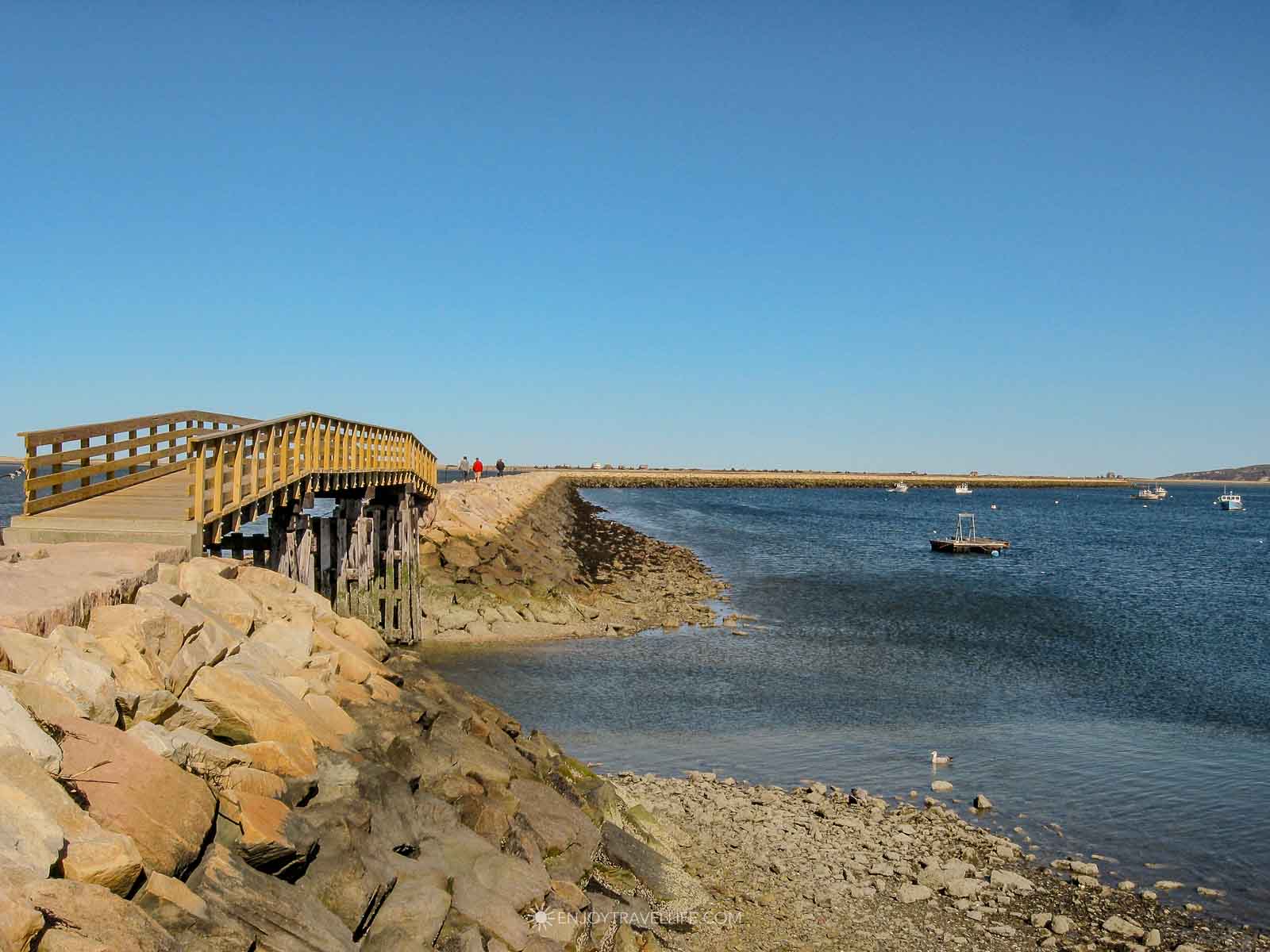
Bailey Island rewards a slow afternoon more than a packed itinerary. The draw is the drive out, a working harbor, and the view where the road simply ends at the sea.
I’ve lived in New England my whole life and still find new corners worth exploring. These articles cover Cape Cod, the Islands, coastal Maine, Vermont, and everywhere in between, with a perspective only a local can provide.
Bailey Island rewards a slow afternoon more than a packed itinerary. The draw is the drive out, a working harbor, and the view where the road simply ends at the sea.
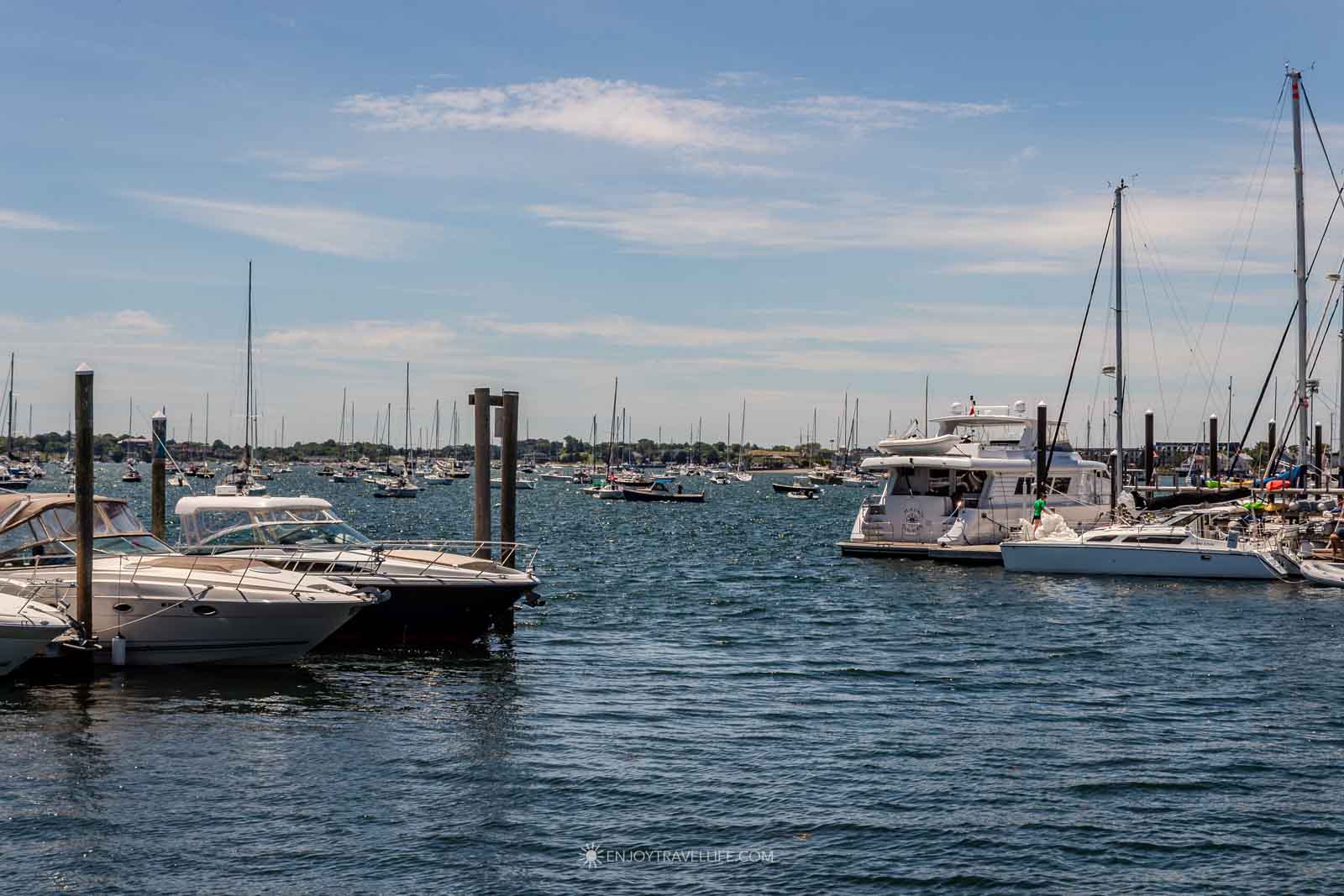
A Newport summer day is easy to overfill and surprisingly hard to park. Knowing which stops are worth the traffic, and in what order, helps the day unfold much more smoothly.
Inkwell looks like an ordinary town beach, which is exactly why its history surprises people. For generations it has been a gathering place for Black families on the Vineyard, and that is the reason to stop.
Doing Monhegan in a day works, but the ferry schedule leaves fewer hours on the island than most visitors expect. Deciding what to prioritize before you arrive makes the day far more enjoyable.
In Brewster, the tide shapes the day. At low tide, Cape Cod Bay pulls back for what feels like a mile, opening up broad sand flats that are worth timing your visit to experience.
Staying near the ferry isn’t always the most convenient choice. The best home base depends on whether your priority is beaches, restaurants, walkable towns, or exploring the island by car.
Whether you need a car on the Vineyard comes down to one thing: how far up-island you plan to roam. Stay near the down-island towns and the buses and bikes cover more than most people expect.
Massachusetts packs an unusual amount of military history into a small state, from Revolutionary battle roads to Cold War submarines. Thirty museums is more a menu than a checklist; the trick is picking the eras that pull you in.
The American Heritage Museum houses one of the world’s largest collections of tanks and armored vehicles, many still operational and occasionally demonstrated for visitors. Seeing them in person offers a very different perspective than reading about them in a museum case.
Some of New England’s most rewarding places never become headline destinations. A quiet island, a little-known waterfall, or a village that’s busiest only for a few weeks each year often offers a different side of the region.
Maine isn’t wine country in the Napa sense, and that’s the fun of it: cold-hardy grapes, blueberry and apple wines, and tasting rooms with a working-coast view. Near Camden, the setting is as much the draw as what’s in the glass.
The fifteen Cape towns are less interchangeable than they look. Where you stay, quiet and residential or lively and walkable, shapes your trip more than most first-time visitors expect.
Winter is when Newport’s Gilded Age mansions dress up for the holidays and the summer crowds disappear. Some of the town slows down, but the part that draws people in December is at its best.
Peaks is small enough to walk, but the island loop is longer than it looks, and the ferry gives you only so many hours. A golf cart earns its cost when you’d rather see the whole shore than half of it on foot.
Bethlehem is a quiet White Mountains village that was once a Gilded Age summer retreat, and its inns still carry that porch-and-rocking-chair character. Staying at one puts the hiking and the mountain air close, without a resort in sight.
Dating shows are travel marketing disguised as romance. The villa, the beach, the sunset backdrop are cast as carefully as the contestants, and most of these locations are real and bookable, which is why a hit season quietly turns an obscure resort into a destination.
A day on the Vineyard is shorter than it feels once you factor in the ferry, so the island rewards picking one corner over racing around all of it. Oak Bluffs and Edgartown sit close to the boat and hold plenty for an afternoon.
For a game or a concert at Gillette, the real prize is not having to drive afterward. A hotel within walking distance turns Foxboro’s infamous post-event traffic into a short stroll back to your room, which is worth more than almost any amenity.
Portsmouth is small enough to cross on foot in an afternoon and dense enough to fill a weekend, a colonial seaport that’s quietly become one of New England’s better food towns. It makes an easy stop between Boston and the Maine coast.
Boston’s spring is short and late, which makes its bloom season all the more intense, from the magnolias on Commonwealth Avenue to Lilac Sunday at the Arnold Arboretum. Most of it unfolds over just a few weeks.
In Salem, staying downtown means walking to the witch sites, the waterfront, and the museums instead of hunting for parking, a real advantage come October. The Hawthorne adds its own layer: a 1920s landmark with enough ghost stories of its own to feel like part of the tour.
Diamond Cove is a private island off Portland you can only really see as a hotel guest. That’s the appeal. No cars, no crowds, a former military fort turned quiet retreat a short ferry from the city but a world away from it. You’re paying for the water between you and everything else.
A boutique hotel trades the predictability of a chain for character and a walkable location, which in Portsmouth means stepping straight out into the waterfront and the restaurants. The trick is finding one that manages that without resort prices.
America’s best food isn’t limited to a handful of famous cities. Some of the country’s strongest food traditions belong to entire regions, making it easy to build a trip around local specialties instead of a single destination.
The Monadnock region offers a quieter side of New Hampshire, with small towns, covered bridges, and scenic back roads. It’s a place that rewards slowing down instead of trying to see everything in a weekend.
Barely a mile round trip, the walk to the Knob ends on a grassy overlook with Buzzards Bay on three sides. The changing light is reason enough to time your visit for late afternoon.
Nova Scotia is bigger than the map suggests, and its best drives loop rather than line up. Where you stop for the night decides how much of the coast you actually see versus how much you spend retracing it.
Old North Church takes only minutes to see, but the story it holds is the spark of a revolution: two lanterns in the steeple, and the ride they set off. The behind-the-scenes tours, down to the crypt and up the bell tower, turn a quick photo stop into the moment history pivoted.
Salem draws its biggest crowds in October, but it rewards a visit the other eleven months too, when the witch-trial story shares the town with a deep maritime past and a first-rate art museum.
This is a working lobster boat, not a scenic cruise: you haul the traps yourself, learn how the trade actually works, and can buy your catch at the dock for boat price. It’s the hands-on version of a Maine lobster afternoon.
In Portland, the Old Port is the whole point: a walkable neighborhood of cobblestones, working wharves, and some of New England’s best restaurants. Staying nearby makes it easy to explore on foot.
A sailing holiday gives couples uninterrupted time together in a setting that naturally slows the pace. Sharing the experience often becomes just as memorable as the destinations themselves.
New England is made for road trips because so much changes within a few hours’ drive, from rocky coastline to mountain passes to historic villages. Here, the drive is often as memorable as the destination.
Cape Cod’s breweries have quietly become the answer to a gray afternoon or an evening off the beach, taprooms scattered through towns you’d otherwise only drive past. Working through a few is a low-key way to see the inland Cape between the sand and the sunset.
New England summers run warm by day and surprisingly cool by the water at night, especially on the coast. Pack for the sun, but throw in a light layer, and the ocean breeze won’t cut your evening short.
On Cape Cod the honeymoon problem isn’t finding a romantic hotel; it’s choosing among dozens. The right one depends on the honeymoon you picture, a quiet inn or a lively harbor town, oceanfront grandeur or tucked-away charm. Decide the mood you want first, and the shortlist writes itself.
Boston and New York invite constant comparison, and their boutique hotels say a lot about each city’s character. One leans historic and understated, the other bold and buzzing, and the better stay depends on which mood you’re traveling for. The rivalry is half the fun; the hotels are where you actually feel the difference.
New England spring is really mud season with better light: raw mornings, warm afternoons, and rain that arrives without warning. Pack waterproof shoes and layers you can add or remove throughout the day, and you’ll be ready for whatever New England spring decides to do.
New England isn’t the first place that comes to mind for wine, and that’s precisely its charm. The region’s vineyards trade California’s polish for a low-key, personal kind of tasting, often with the winemaker pouring. Come without the Napa expectations, and the surprise of good wine in unexpected country is half the pleasure.
A good novel can keep a favorite destination close between trips. Stories set on Martha’s Vineyard capture the island’s character in ways that make returning, even on the page, part of the experience.
Cape Cod has inspired plenty of novels, but the best ones capture more than the scenery. Set among the island’s summer light and family secrets, this is the kind of story that keeps the Cape close between visits.
Boston’s ghost stories tend to cling to its oldest places: Revolutionary taverns, colonial burying grounds, the crooked lanes downtown. A haunted tour doubles as a walk through the city’s history, told after dark with the lights turned low.
A bed and breakfast offers the opposite of a resort romance: a handful of rooms in a historic captain’s house, a breakfast cooked for you, and an innkeeper who knows the quiet corners of the Cape. For couples, the appeal is the intimacy, not the amenities.
New England hides an unusual amount of world-class art in small places: a Berkshires hill town with a Renoir collection, a Boston mansion frozen as its owner left it, Yale’s free galleries. You can see serious paintings without the big-city crowds that usually come with them.
New England winter rewards the prepared and punishes everyone else, which makes the packing list the difference between a magical getaway and a cold, miserable one. Layers, real boots, and respect for how fast the weather turns are non-negotiable. Pack like a local who knows what’s coming, and the season’s beauty is yours to enjoy.
Some of Boston’s best meals hide on the North End’s narrow streets. Restaurants that celebrate the Feast of the Seven Fishes keep an Italian-American holiday tradition alive through seafood served with a sense of occasion.
Dennis, near the middle of Cape Cod, makes an easy home base: calm bay beaches on one side, the open Atlantic a short drive on the other, and much of the Cape within easy reach. Staying here gives every generation something to do without spending half the vacation in the car.
The holidays give Boston’s grand hotels a different atmosphere. Seasonal menus and festive events at Bar Boulud make it easy to turn an evening in the city into part of the celebration.
On the Maine coast, the seafood worth seeking out is rarely the fanciest place in town. In Brunswick it’s the unpretentious spot where the fish is fresh, the prices are fair, and the locals actually eat.
Layers do the real work on a New England fall trip, where a single day can start crisp and end mild. Pack pieces you can add and shed, and no hour catches you underdressed.