
Planning A Family Vacation Made Easy: Smart Tips For Dads
A family trip usually reflects whoever did the planning. Matching the pace to the kids, building in downtime, and booking around meals and naps often matter more than the destination itself.

Travel gear has to earn its place in your suitcase. Every product here was tested on real trips, and only the keepers made the list.
A family trip usually reflects whoever did the planning. Matching the pace to the kids, building in downtime, and booking around meals and naps often matter more than the destination itself.

Children travel best when the trip bends to their routine rather than the reverse: familiar snacks, protected nap and bedtimes, and modest expectations for any single day. Most family-travel stress comes from packing the schedule as if the kids weren’t on it.

Packing light is a decision made before the suitcase opens: most travelers wear a fraction of what they bring and carry the rest as insurance against situations that never arise. A small, versatile wardrobe you actually wear leaves you carrying less, and deciding less, every day of the trip.

The right travel bag quietly does its job. The wrong one becomes an inconvenience every time you use it.

A student hauling everything across a long, cheap trip learns to pack light out of necessity, not taste. Every extra kilo gets carried up hostel stairs and onto budget airlines that charge for it, so the discipline earns its keep in ways a one-week holiday never tests.

Cutting your own Christmas tree turns an errand into an outing, which is the whole appeal. The tree you drag home is rarely more perfect than a lot’s, but the cold walk, the cocoa, the choosing together become the memory the ornament boxes never hold.

Camping with a dog means planning for a second camper who can’t tell you what’s wrong: water and shade in the heat, a check on the campground’s rules, awareness of wildlife and terrain. Done right, they take to the outdoors more happily than anyone, which is half the reason to bring them.

New divers rush to buy a full kit before they know what they like, which is how expensive gear ends up unused in a closet. The sensible order is to rent the big items while you learn and buy only the personal-fit pieces first, a mask that seals, fins that suit you, the things rentals never get right.

A Disneyland VIP tour buys something the park never seems to have enough of: time. Whether it’s worth the cost depends on how much you value spending less of your day waiting in line.

The biggest challenges of studying abroad usually aren’t academic. They’re the practical details of settling into daily life and the emotional adjustment that comes with living somewhere new. Planning ahead helps with the first. Time takes care of the second.

Screens make long drives quieter, but they aren’t the only way to keep kids entertained. Simple road games turn the drive into part of the adventure instead of just the time between destinations.

Packing for your dog is easier when you think through the trip the same way you do your own. Familiar food, water, medications, and a few comforts from home help make travel less stressful.

PEMF therapy has gained attention as a wellness tool, but it’s worth understanding what the research actually says before investing in a device. Knowing the evidence helps set realistic expectations.

A travel PEMF device only makes sense if you already use the therapy at home; it’s not something to discover on the road. For those who do, the deciding features are portability and battery, not the highest settings. Pack it as the comfort routine it is for you, and judge it on whether it travels well, not on big promises.

Bikepacking looks like it needs a garage of specialist gear, but a first overnight needs far less than that. A bike you own, a few bags, and a night not far from home teach you what you actually need. The barrier is mostly nerve, not equipment. Start small and close, and the longer trips stop looking intimidating.
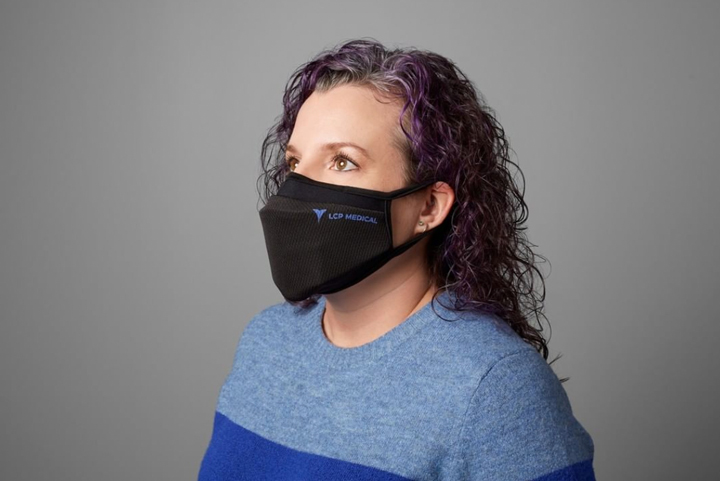
The best travel mask is the one you’ll actually wear for an entire flight. Comfort usually matters more than extra features if you’re going to keep it on for hours.

The first question about taking your dog on vacation isn’t how, but whether the trip suits your dog. Vacations built around the outdoors and a slower pace usually work far better than busy sightseeing itineraries.

Every experienced backpacker was once a beginner trying to decide what to pack. The learning curve is shorter than it seems, and carrying only what you truly need makes the first trip far more enjoyable.

A topical relief product earns its place in a travel bag by being simple and portable, not by promising miracles. For everyday aches from long flights and unfamiliar beds, a roll-on you already trust is a sensible thing to pack.

A cabin in the woods is really a booking for the setting, not the room: the quiet, the porch view, a few days genuinely off the grid. The trade for that solitude is usually fewer amenities than a hotel.

The cheapest flights usually go to the people watching for them, which few travelers have time to do themselves. A good fare-alert service keeps an eye on prices for you, making it easier to spot worthwhile deals before they disappear.

The best carry-on disappears into the trip, rolling easily through airports, fitting overhead, and making checked luggage unnecessary whenever possible. Those small conveniences add up surprisingly quickly.

The best thing in a light packer’s bag is the piece that does several jobs, and a good sarong is the classic example. Beach cover-up, scarf, blanket, wrap, one length of cotton replaces a handful of single-use items. Packing light isn’t about carrying less for its own sake; it’s about choosing the things that earn their place twice over.