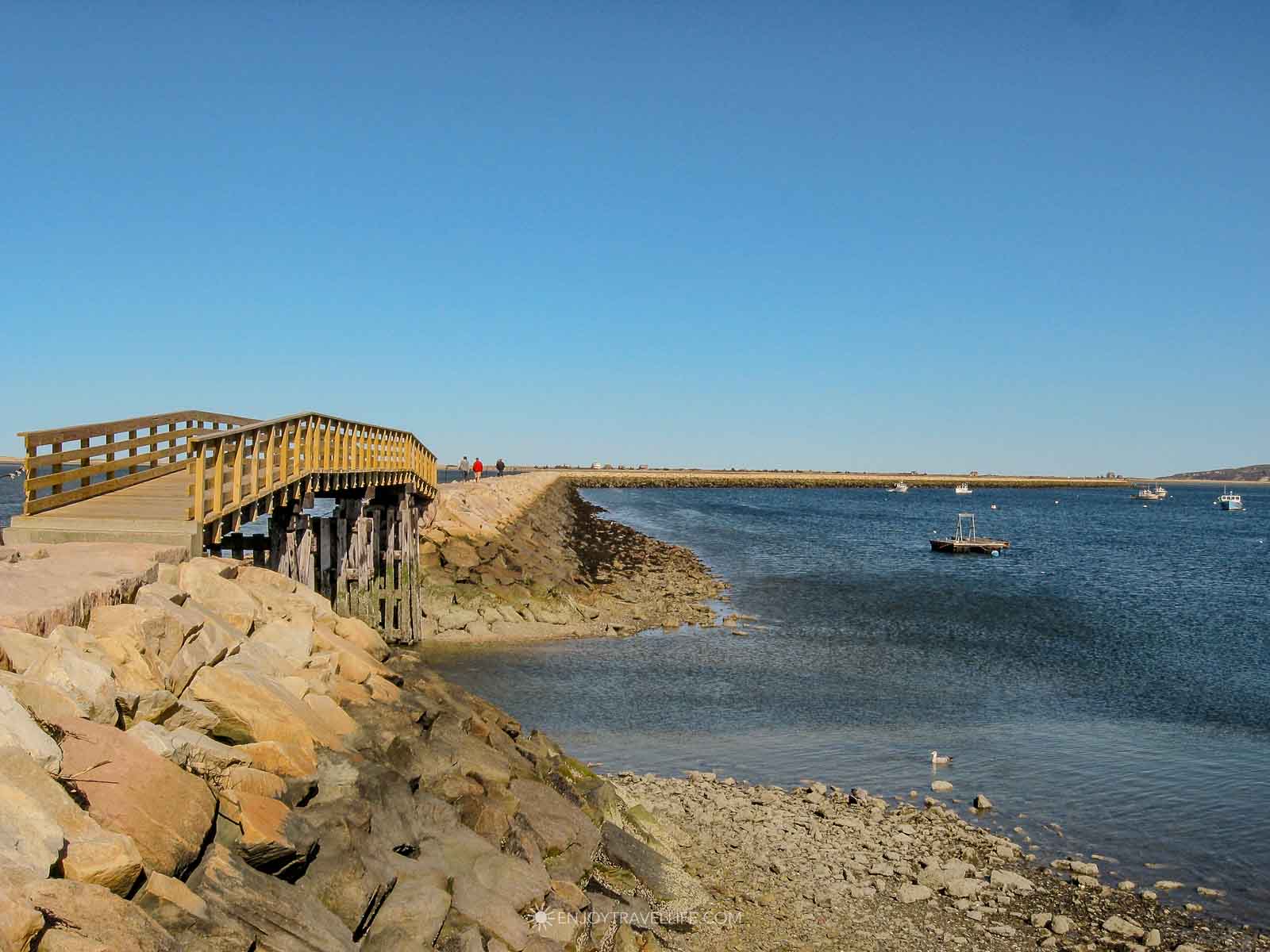
15 Best Things to Do in Plymouth MA Beyond the Rock
Settled by the Pilgrims in 1620, Plymouth has more than four centuries of history woven into a waterfront town that still feels very much alive.

Beyond New England, the rest of the country is fair game: national parks, Southern cities, and West Coast escapes. Find ideas for your next domestic trip here.
Settled by the Pilgrims in 1620, Plymouth has more than four centuries of history woven into a waterfront town that still feels very much alive.

The ghost stories here are attached to real houses and real people, and the tour walks you past them in the dark. How spooky that feels is partly up to you.

Some cities earn the detour with one great museum. Worcester makes you choose among several.
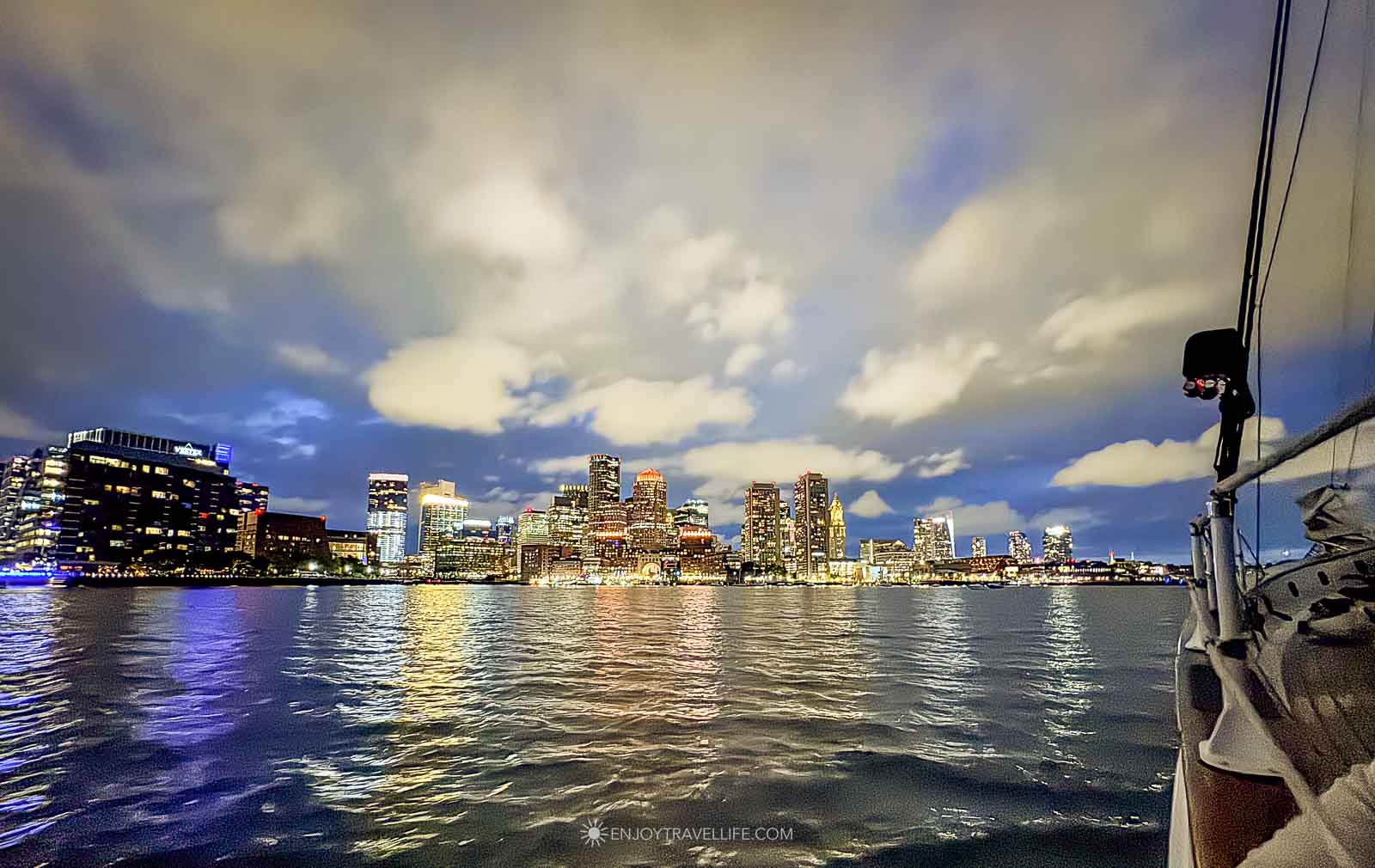
Boston looks different from the harbor, especially after dark. Even if you know the city well, a sunset sail gives you a perspective that’s easy to miss from shore.
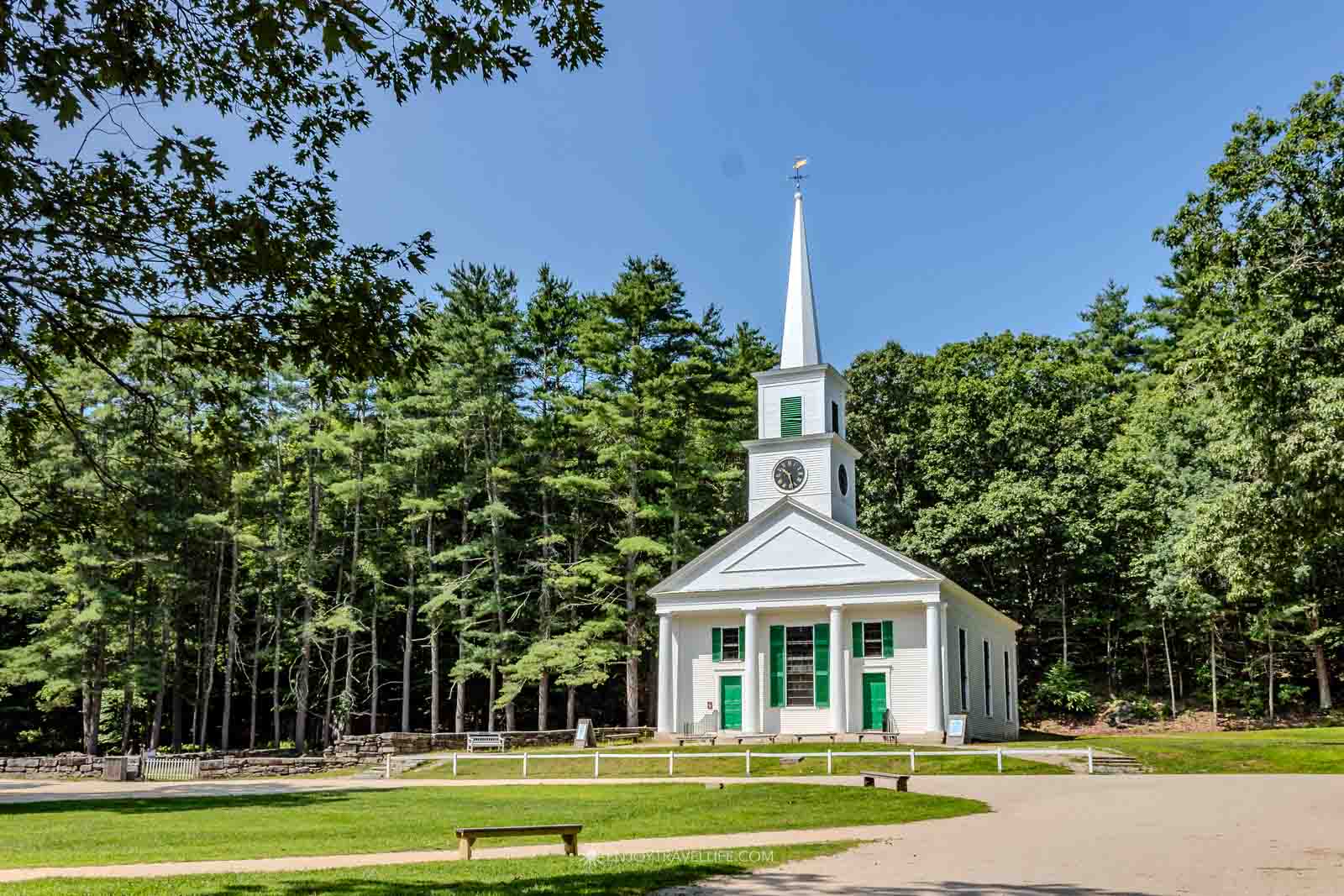
At New England’s largest living history museum, the 1830s carry on as a working town with real forges and real conversation. This year, the programming reaches back further, to a revolution still undecided.

Bailey Island rewards a slow afternoon more than a packed itinerary. The draw is the drive out, a working harbor, and the view where the road simply ends at the sea.
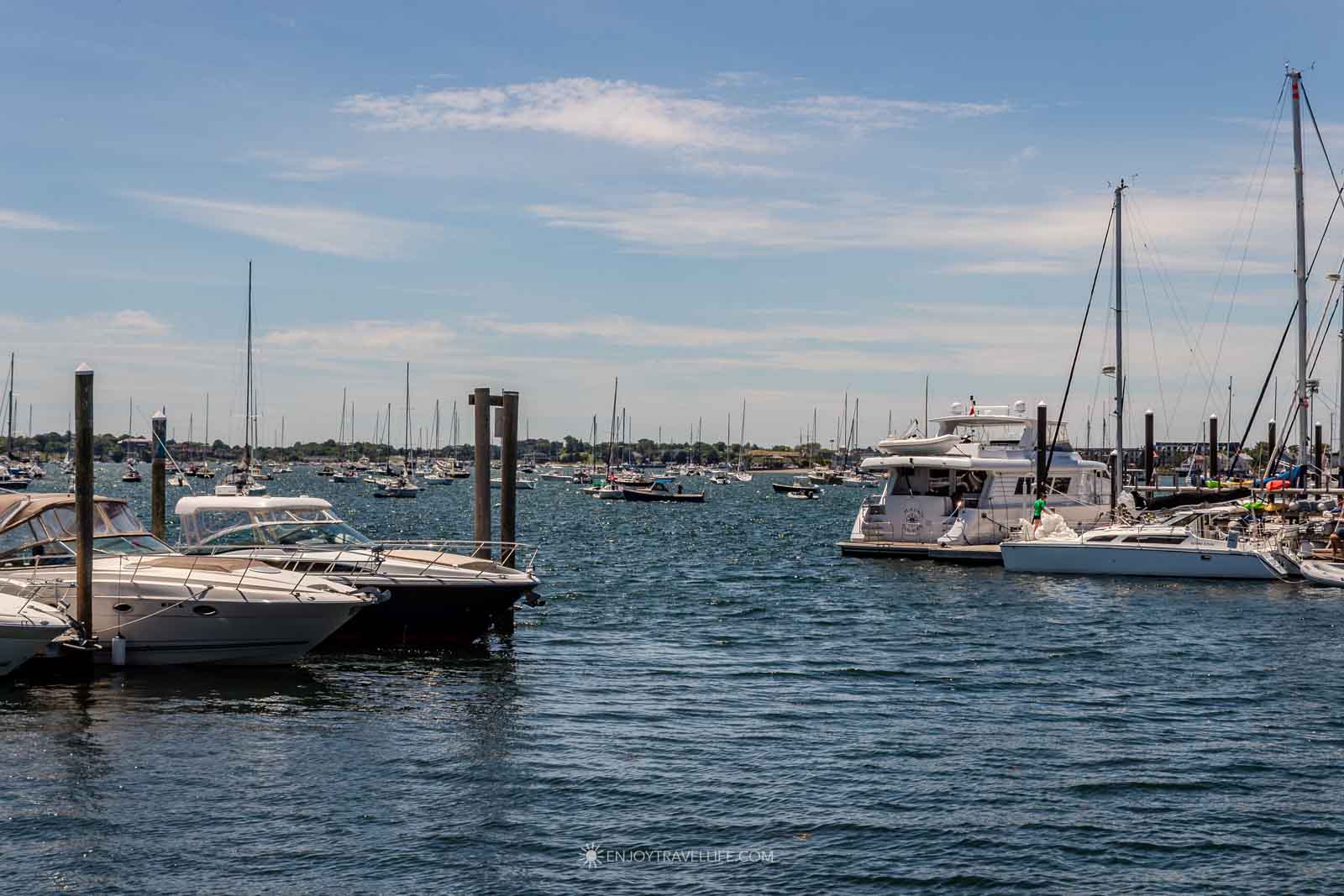
A Newport summer day is easy to overfill and surprisingly hard to park. Knowing which stops are worth the traffic, and in what order, helps the day unfold much more smoothly.
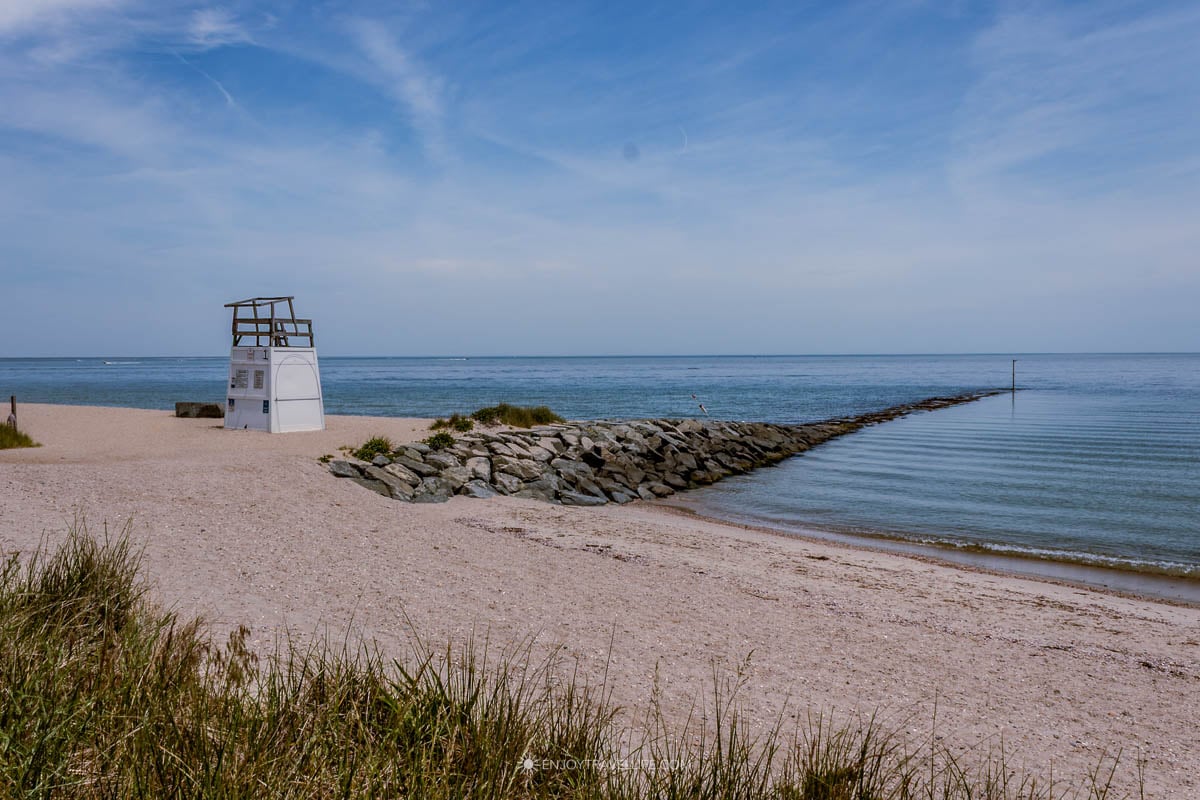
Inkwell looks like an ordinary town beach, which is exactly why its history surprises people. For generations it has been a gathering place for Black families on the Vineyard, and that is the reason to stop.
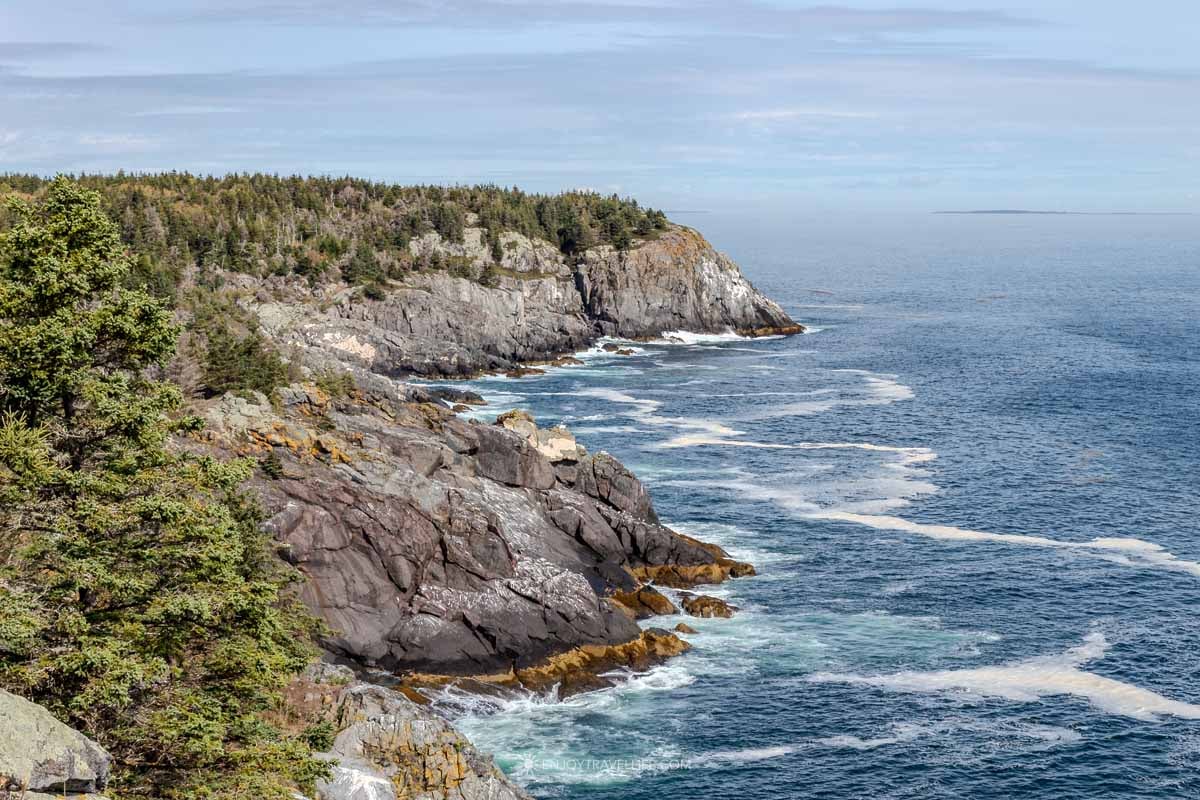
Doing Monhegan in a day works, but the ferry schedule leaves fewer hours on the island than most visitors expect. Deciding what to prioritize before you arrive makes the day far more enjoyable.
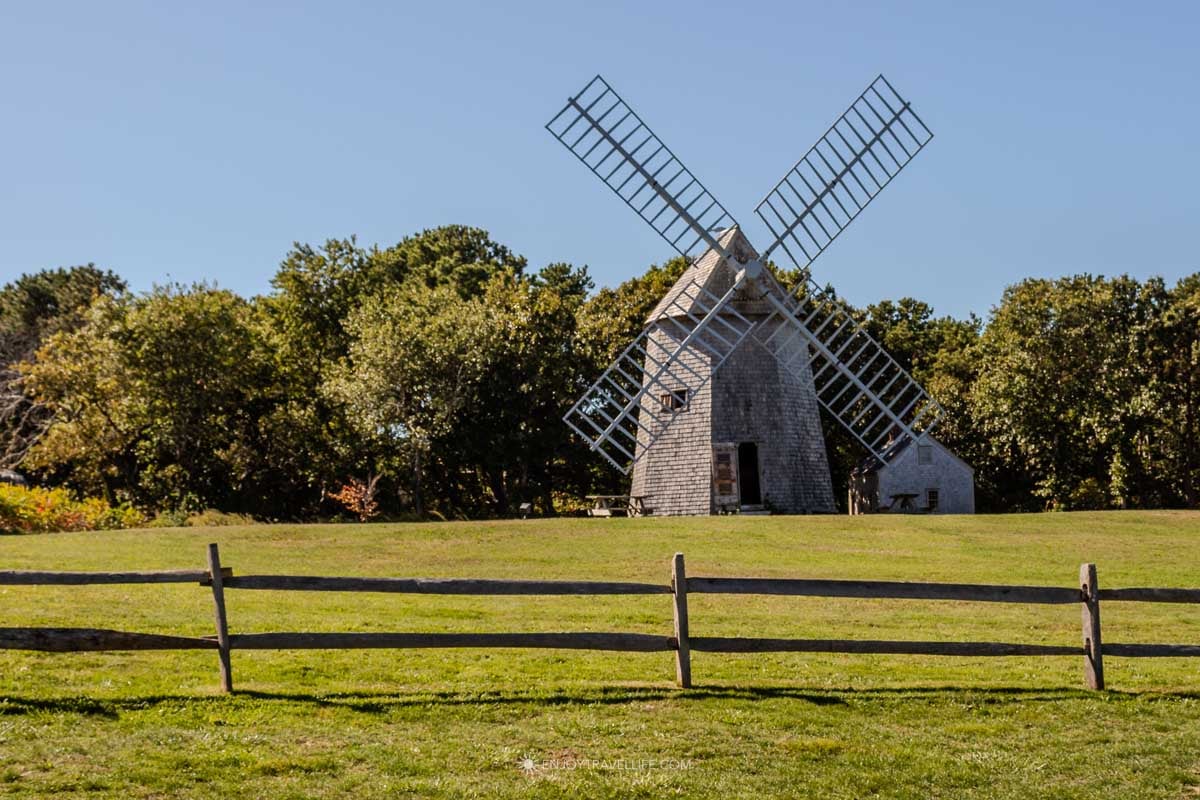
In Brewster, the tide shapes the day. At low tide, Cape Cod Bay pulls back for what feels like a mile, opening up broad sand flats that are worth timing your visit to experience.
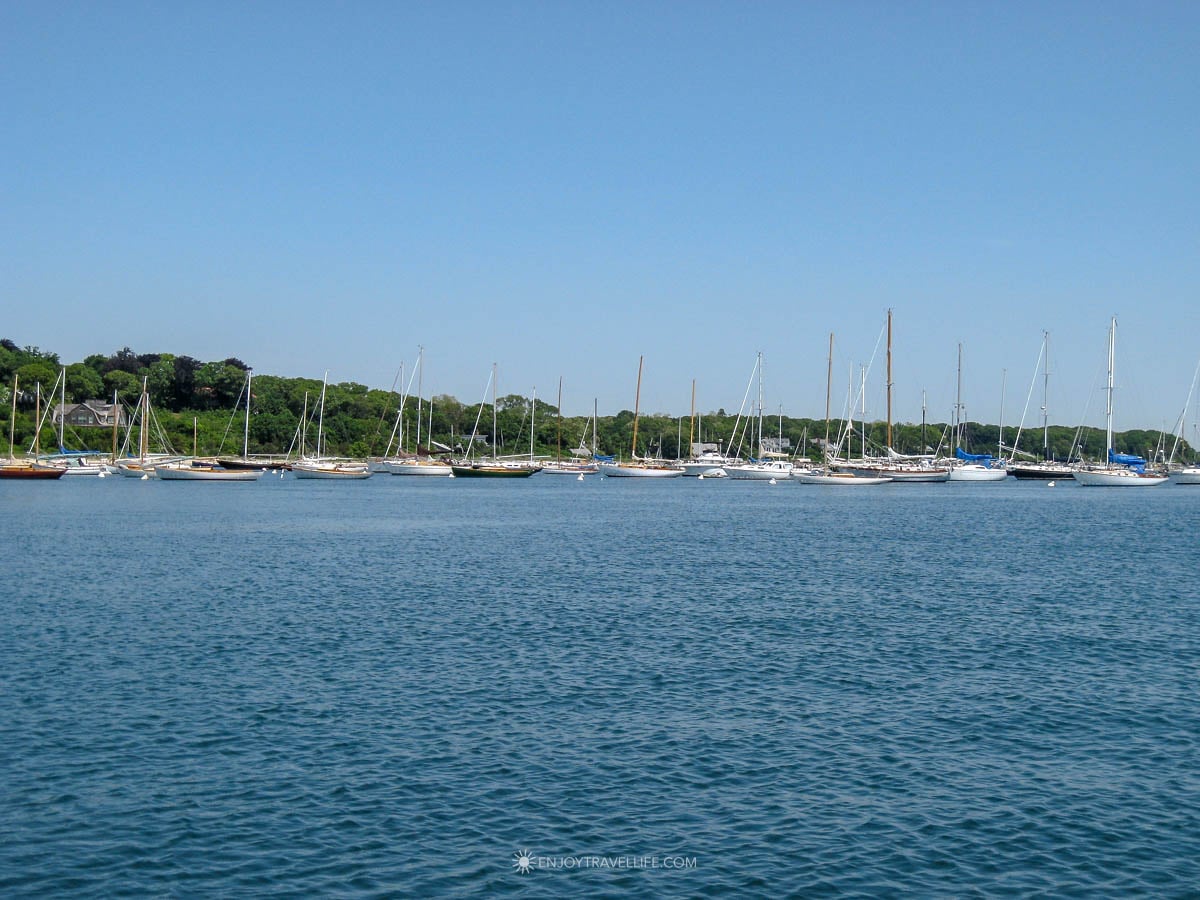
Staying near the ferry isn’t always the most convenient choice. The best home base depends on whether your priority is beaches, restaurants, walkable towns, or exploring the island by car.
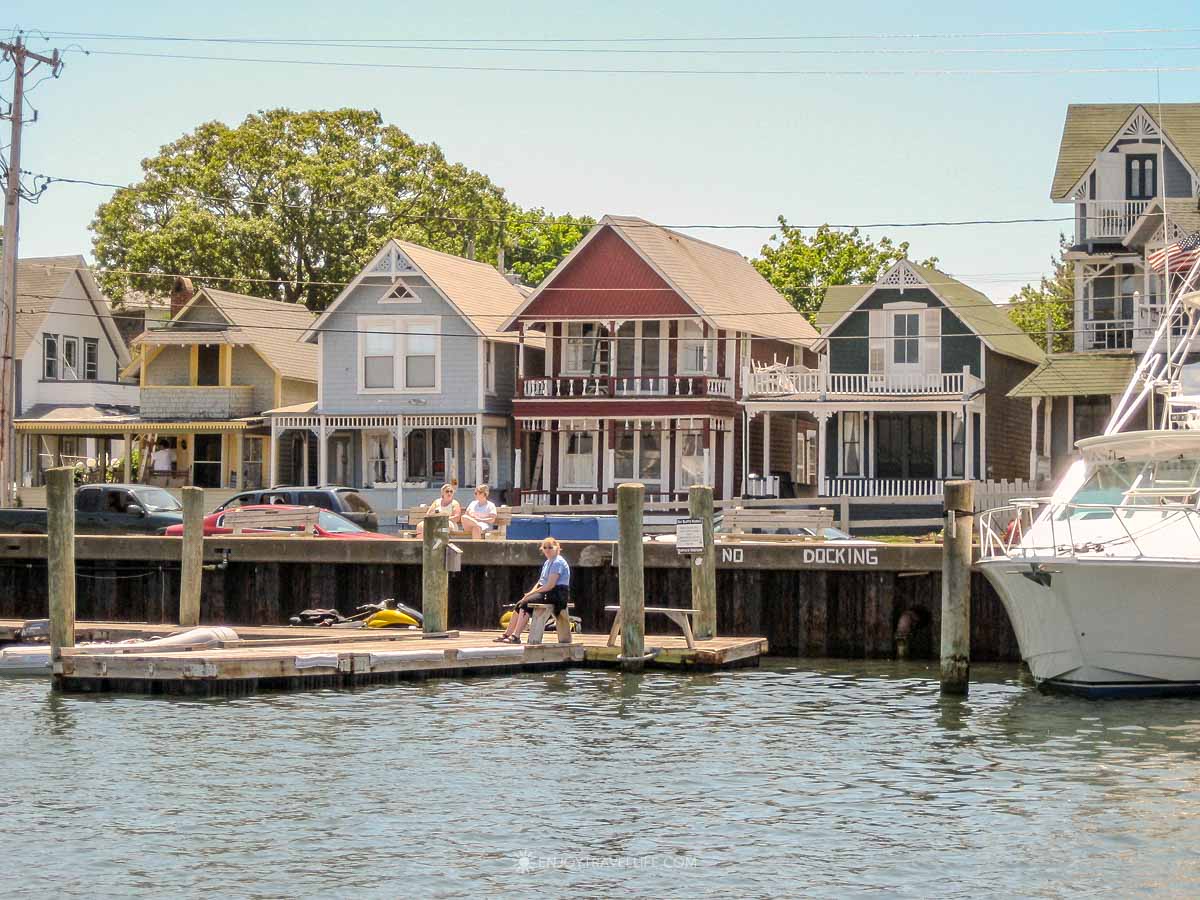
Whether you need a car on the Vineyard comes down to one thing: how far up-island you plan to roam. Stay near the down-island towns and the buses and bikes cover more than most people expect.
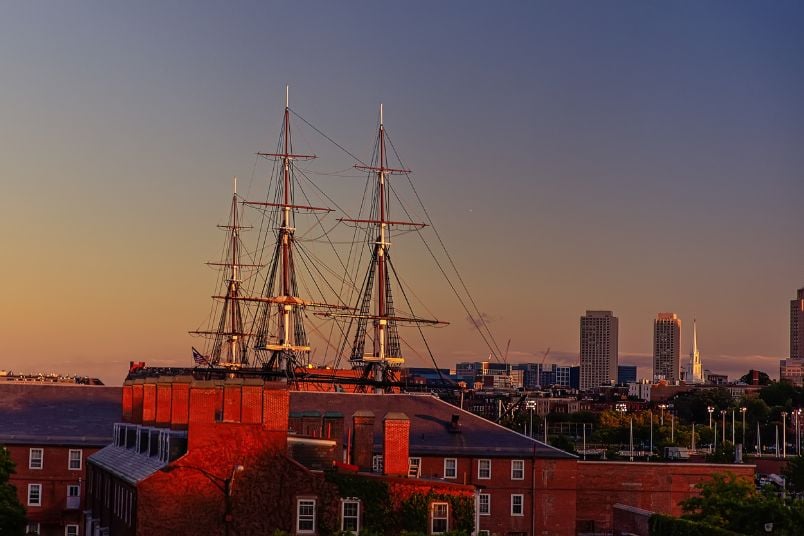
Massachusetts packs an unusual amount of military history into a small state, from Revolutionary battle roads to Cold War submarines. Thirty museums is more a menu than a checklist; the trick is picking the eras that pull you in.

The American Heritage Museum houses one of the world’s largest collections of tanks and armored vehicles, many still operational and occasionally demonstrated for visitors. Seeing them in person offers a very different perspective than reading about them in a museum case.

A luxury picnic is less about the food than the occasion: arriving to a styled table on the sand, lingering through sunset, and leaving the setup and cleanup to someone else. It suits the moments worth marking, like a proposal or anniversary, more than an ordinary afternoon.

Arizona golf runs on the calendar: the Scottsdale desert courses are glorious from fall through spring and punishing in the summer heat, when green fees fall by half. The trip is a trade of weather against price, and the desert style, target golf between cactus and rock, plays nothing like a green New England course.

Most visitors plan a Skagit Valley trip around the April tulips, and for good reason. Visit in the quieter months, though, and you’ll find snow geese, fall color, and a very different side of the valley.

Some of New England’s most rewarding places never become headline destinations. A quiet island, a little-known waterfall, or a village that’s busiest only for a few weeks each year often offers a different side of the region.

The Gulf coast runs from Texas to Florida, and each state along it offers a different kind of trip, from Cajun kitchens to white-sand islands. The warm, calm water is the one thing they all share.

Nashville’s greatest asset, live music, is also its cheapest: it pours out of honky-tonk doorways along Broadway, from buskers, and from free rounds at the songwriter bars long before anyone charges a cover. Spend a little time where locals go and a Nashville trip costs far less than the neon strip suggests.

Arizona’s outdoor adventures reward a taste for contrast: rafting the Colorado at the canyon floor, hiking Sedona’s red rock, then trading the desert for pine forest and cool air near Flagstaff. Planning around the seasons and elevations makes the experience much more enjoyable.

New York’s finest views often aren’t from the ticketed observation decks. A Staten Island Ferry crossing, the Brooklyn Bridge at dusk, or a rooftop overlooking the skyline each offers a different perspective on the city.

Baltimore surprises first-timers who only know its rough reputation: a city of tight-knit neighborhoods, world-class museums, and the best crab on the East Coast. The Inner Harbor gets the postcards, but the character lives a few blocks inland in places like Fell’s Point and Hampden.

Philadelphia is more walkable than a city its size has any right to be: the Revolutionary landmarks, the great museums, and the food halls cluster close enough to cover on foot over a couple of days. A first trip works best built around neighborhoods rather than a checklist of sights.

The Upper West Side is a quieter New York than the midtown postcard: Central and Riverside Parks at its edges, the museums and Lincoln Center, and the rhythm of a neighborhood people actually live in. Its pleasures are the everyday kind, best found by moving at a resident’s pace rather than ticking off landmarks.

A short New York visit forces a choice most travelers resist: pick a couple of neighborhoods and go deep, or spend the trip underground chasing a checklist across the boroughs. The city rewards whoever accepts they can’t see it all in a weekend and plans for that.

A Las Vegas summer runs on the thermometer: at 110 degrees, mornings, evenings, and the pool become the best parts of the day. The upside is that summer often brings lower hotel rates and better show deals than the cooler months.

Colorado tempts you to chase the famous peaks and skip the state between them, the small mountain towns, hot springs, and back roads that never make the highlight reel. Six days is enough only if the route slows down for the gaps instead of sprinting between the postcards.

Denver in winter works on two levels: a walkable city of museums, breweries, and warm gathering places, and a gateway to world-class skiing less than two hours away. Deciding which experience you want most makes planning the trip much easier.

An Arizona rental is really a bet on season and setting. The desert that feels perfect in March can be unforgiving by midsummer, making location and timing every bit as important as the house itself.

There’s a whole Las Vegas beyond the casino floor: Red Rock Canyon and Lake Mead are barely half an hour from the Strip, and the food, shows, and pools easily fill a trip without a single hand of cards. Looking beyond the casinos changes the way many people experience the city.

A Miami rooftop bar is as much about the setting as the cocktail, which is why the right one depends on the kind of evening you’re after: sunset and skyline in Brickell, or the beach and the energy of South Beach.

Pigeon Forge is better known for pancake houses and theme parks than tasting rooms. Its wineries and distilleries offer a quieter change of pace, with locally made wines and spirits that reflect the region’s traditions more than Napa’s.

Gatlinburg runs on two registers a couple can choose between: the neon strip of mini-golf and pancake houses, and the national park at its back door, quiet trails and mountain overlooks minutes away. The town works best for a weekend that swings between the two rather than committing to either.

Maine isn’t wine country in the Napa sense, and that’s the fun of it: cold-hardy grapes, blueberry and apple wines, and tasting rooms with a working-coast view. Near Camden, the setting is as much the draw as what’s in the glass.

Santa Monica is one of the few corners of Los Angeles you can enjoy without a car: the beach, the pier, the shops, and good food are all within a walkable stretch. A weekend here trades the sprawl and traffic of the wider city for a compact, coastal version of it.

A first trip to Las Vegas is easy to overspend and overwalk. Resort fees hide in the room rate, the Strip is much larger than it looks, and the days can become surprisingly tiring if you don’t pace yourself. Knowing those things in advance makes the city much easier to enjoy.

Illinois is more than Chicago, though the skyline gets all the attention: downstate offers river towns, prairie, and Lincoln’s history at a slower pace entirely. A good getaway decides early whether it’s a city trip or a country one, since the two share little beyond a state line.

November falls between fall foliage and the holiday rush, making it one of the quieter months to travel in the United States. In many destinations, that means lighter crowds, lower prices, and weather that’s still pleasant enough to enjoy.

The fifteen Cape towns are less interchangeable than they look. Where you stay, quiet and residential or lively and walkable, shapes your trip more than most first-time visitors expect.

Lake Chautauqua keeps alive an old-fashioned idea of summer: quiet water, wraparound porches, and the nearby Chautauqua Institution, where people have come for lectures, music, and lakeside afternoons for a century and a half. A hotel on the water is a base for that slower, screen-free version of a vacation.

Florida really has two coasts: the Gulf side, calm and sugar-white with the sunsets, and the livelier Atlantic surf. Which beach suits you comes down to which of those days you’re picturing.

Winter is when Newport’s Gilded Age mansions dress up for the holidays and the summer crowds disappear. Some of the town slows down, but the part that draws people in December is at its best.

The Thousand Islands is one of the quieter corners of New York, a stretch of the St. Lawrence dotted with islands, boat tours, and a Rhineland castle or two. A waterfront base is really about staying on the river, where the whole appeal of the region lives.

It’s easy to forget New York is a city of islands, ringed by water most visitors only cross on a bridge. Kayaking the Hudson, a beach on the Rockaways, a ferry down the East River, these recast the city from something you walk through into something on the water.

Peaks is small enough to walk, but the island loop is longer than it looks, and the ferry gives you only so many hours. A golf cart earns its cost when you’d rather see the whole shore than half of it on foot.

Bethlehem is a quiet White Mountains village that was once a Gilded Age summer retreat, and its inns still carry that porch-and-rocking-chair character. Staying at one puts the hiking and the mountain air close, without a resort in sight.

Dating shows are travel marketing disguised as romance. The villa, the beach, the sunset backdrop are cast as carefully as the contestants, and most of these locations are real and bookable, which is why a hit season quietly turns an obscure resort into a destination.

A Miami honeymoon suits couples who’d rather have energy than seclusion. Beaches by day, lively nightlife, and neighborhoods full of restaurants and art make it a very different experience from a secluded island resort.

Savannah is famous for its squares and Spanish moss, but the marshes and maritime forest start just past the historic district. The wild side of the city is closer to downtown than most visitors realize.