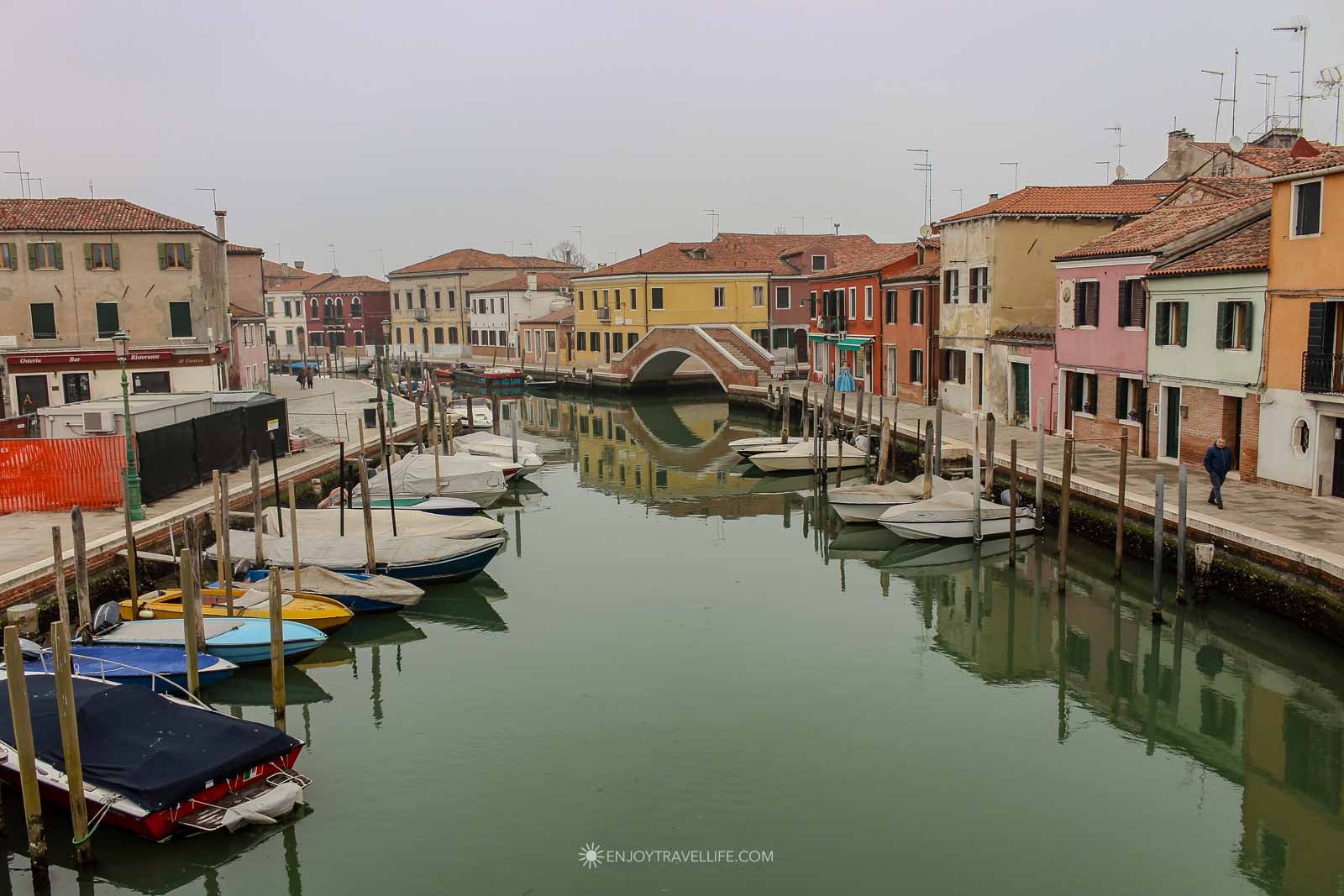
How to Visit Murano and Burano from Venice (Avoid These Mistakes)
Murano and Burano get lumped into one trip, but they reward different things: one for glass, one for color. The ferry between them is what the day really turns on.

Italy, France, the UK, and beyond. Find itineraries, hotel reviews, and practical advice gathered from years of exploring Europe one trip at a time.
Murano and Burano get lumped into one trip, but they reward different things: one for glass, one for color. The ferry between them is what the day really turns on.
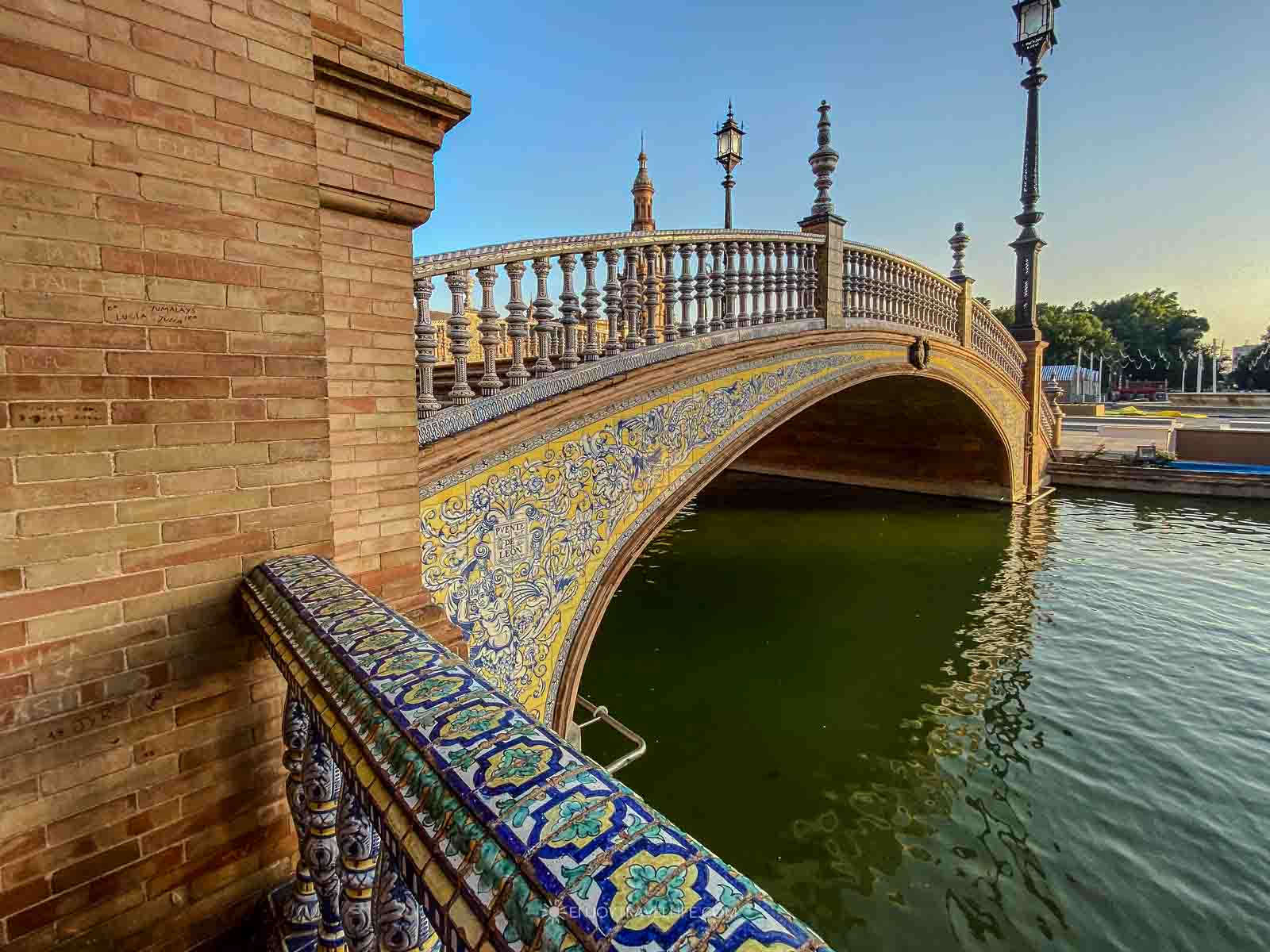
Two days in Seville aren’t about seeing everything. They’re about working with the city’s rhythm, when to explore, when to slow down, and when the streets come alive again.
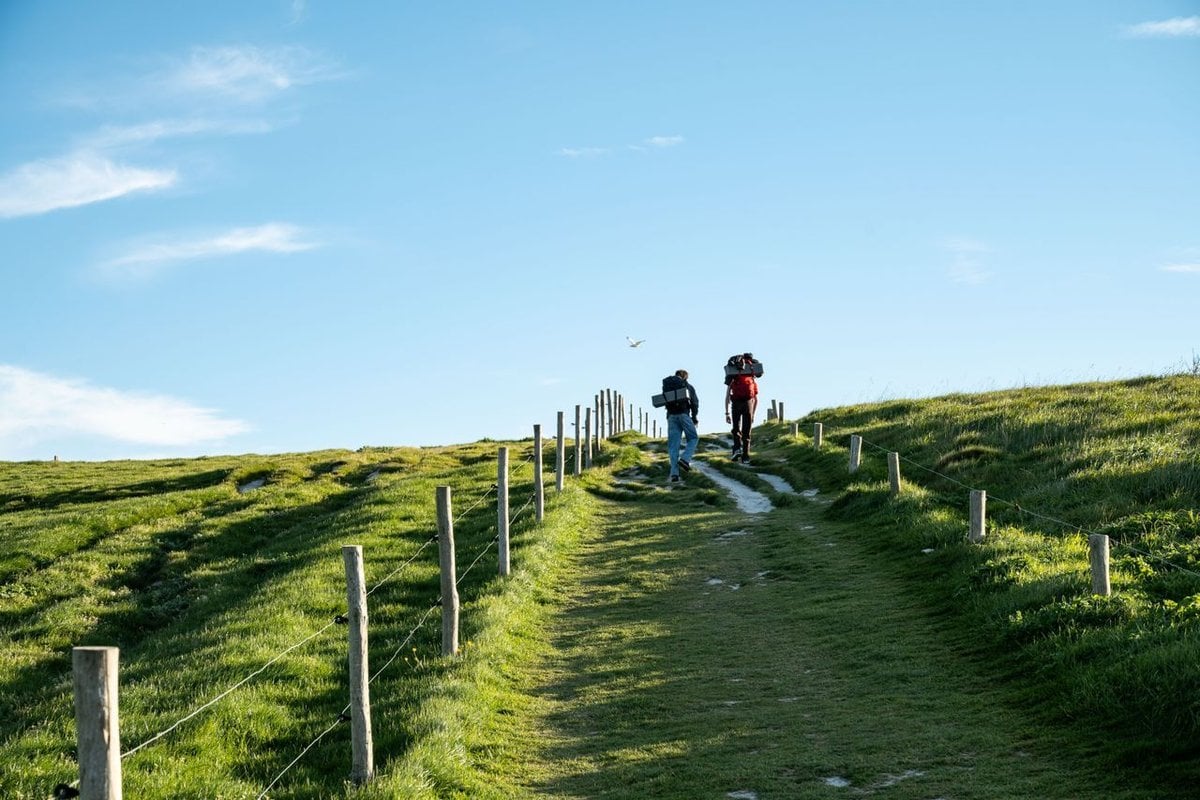
People often begin the Camino expecting a physical challenge or a spiritual journey. What many remember most is the rhythm of walking, the generosity of strangers, and how little they actually needed along the way.
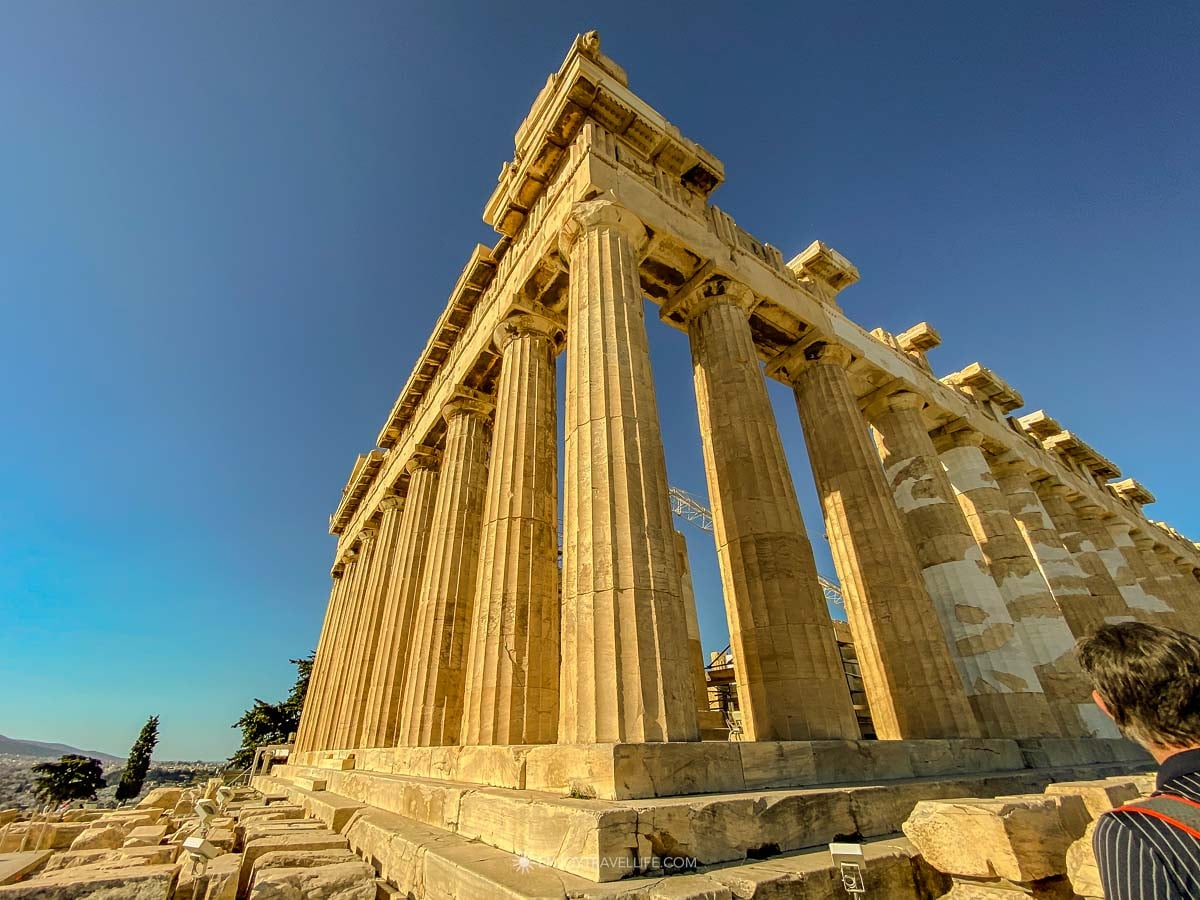
It’s tempting to treat Athens as a layover on the way to the islands. Spend two days here in the right order, and it becomes a destination in its own right.
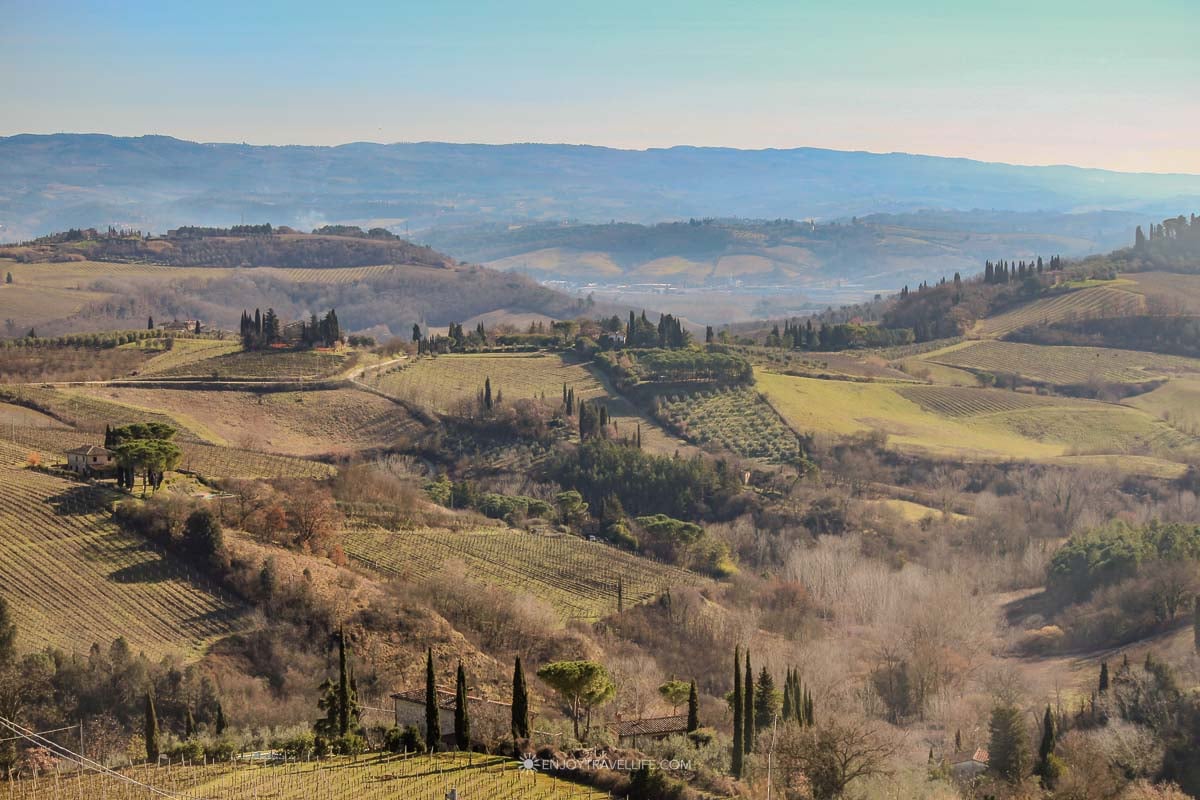
These tours trade depth for convenience: a lot of Tuscany in a single day, none of it for very long. Whether that’s a bargain or a blur depends on what you want from the countryside.
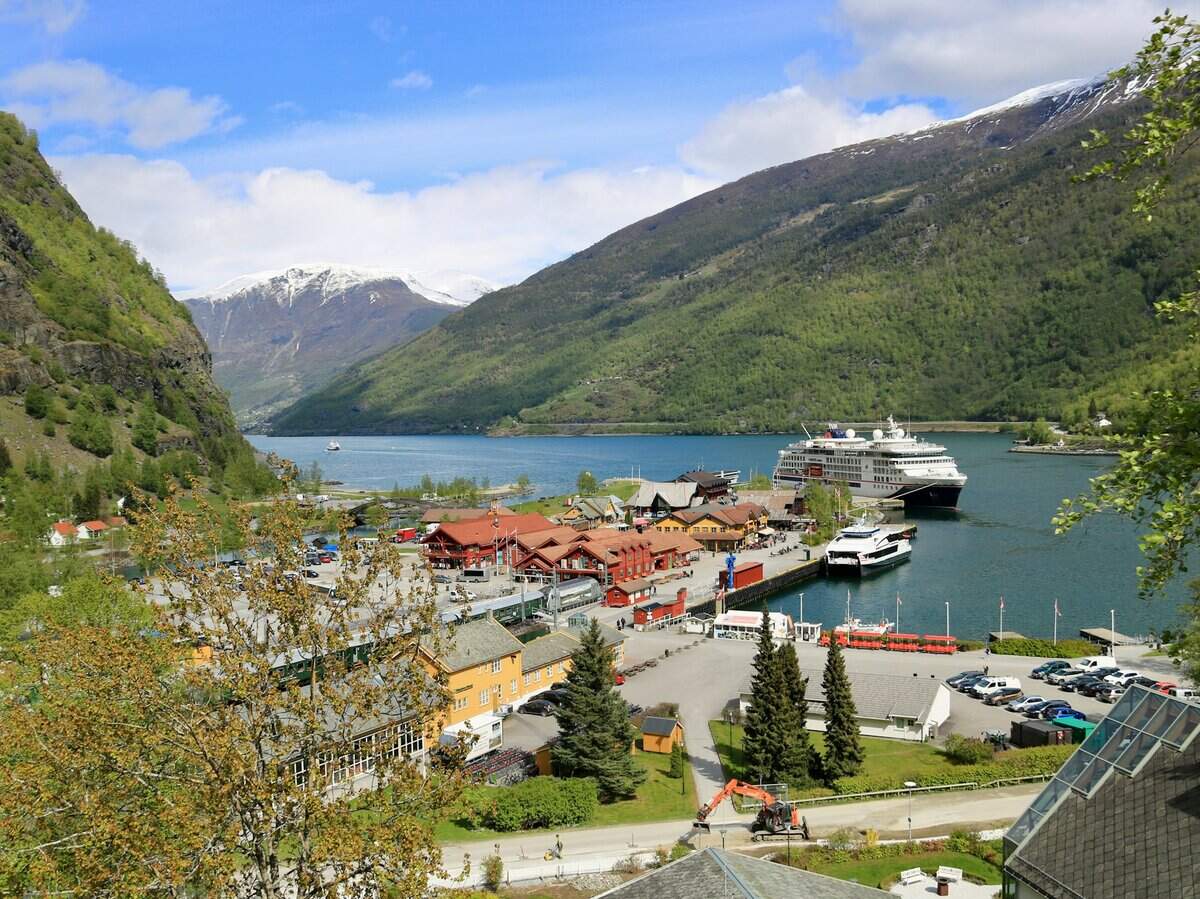
The Flåm Railway gets the headlines, but the fjord cruise below it is often the quieter reward. Which one wins comes down to your hours in port and whether you’re after the view or the ride.
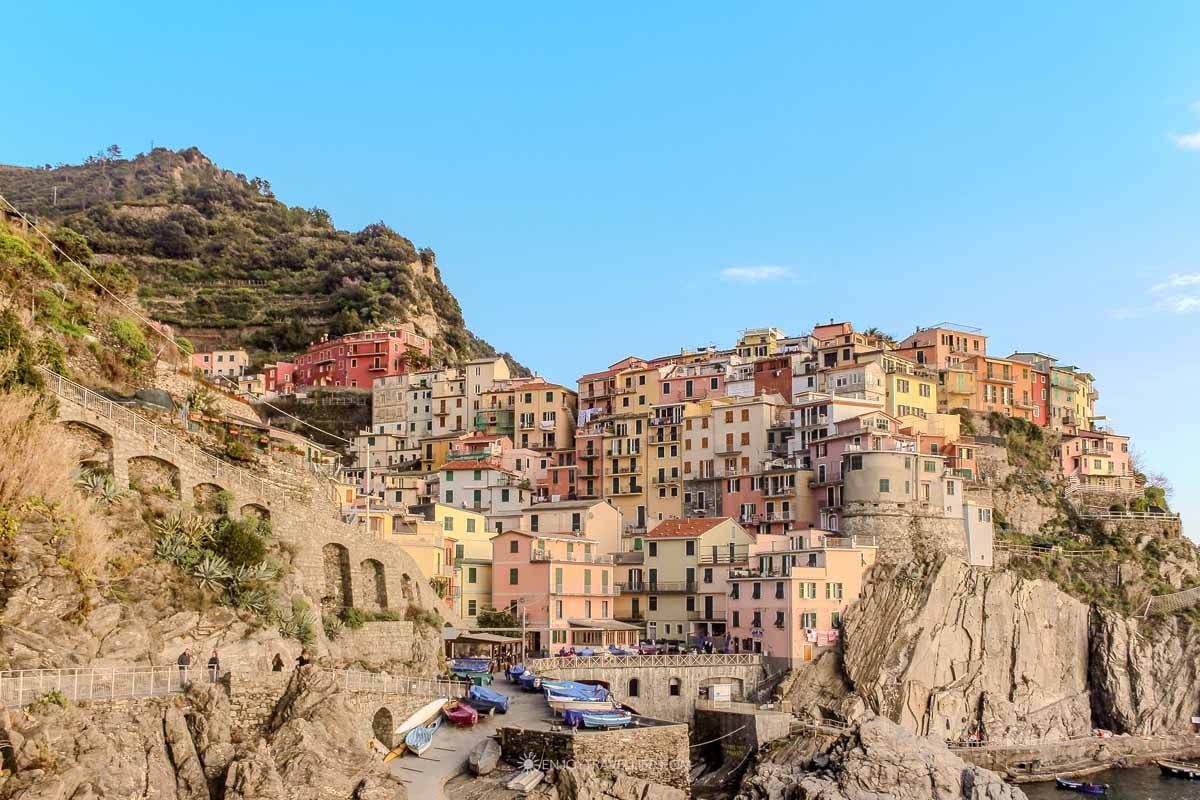
Winter trades the crowds for something quieter: emptier trails, a moodier sea, and villages that feel like they belong to the locals again. A few things close, but what you gain is hard to find in summer.
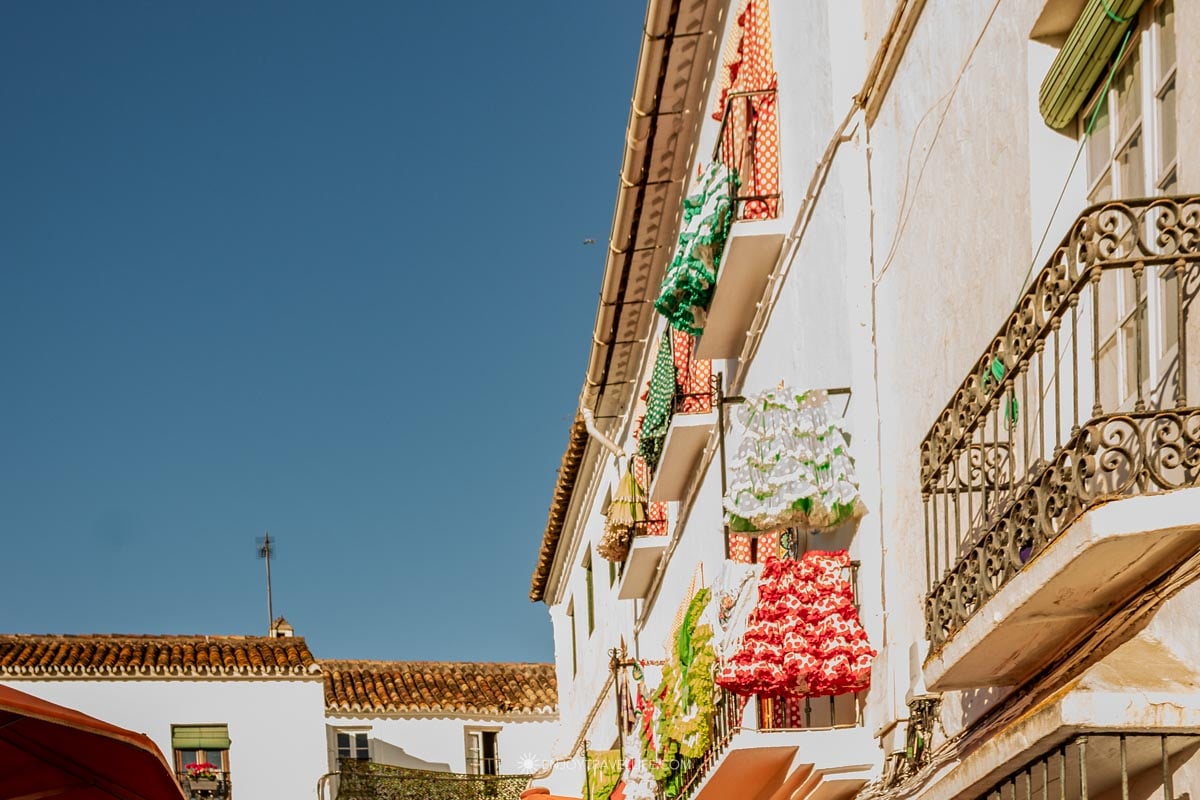
A few minutes inland from Marbella’s marina, the glossy coast gives way to whitewashed lanes and hill towns that feel a century older. Seeing both is one of the best reasons to explore beyond the waterfront.
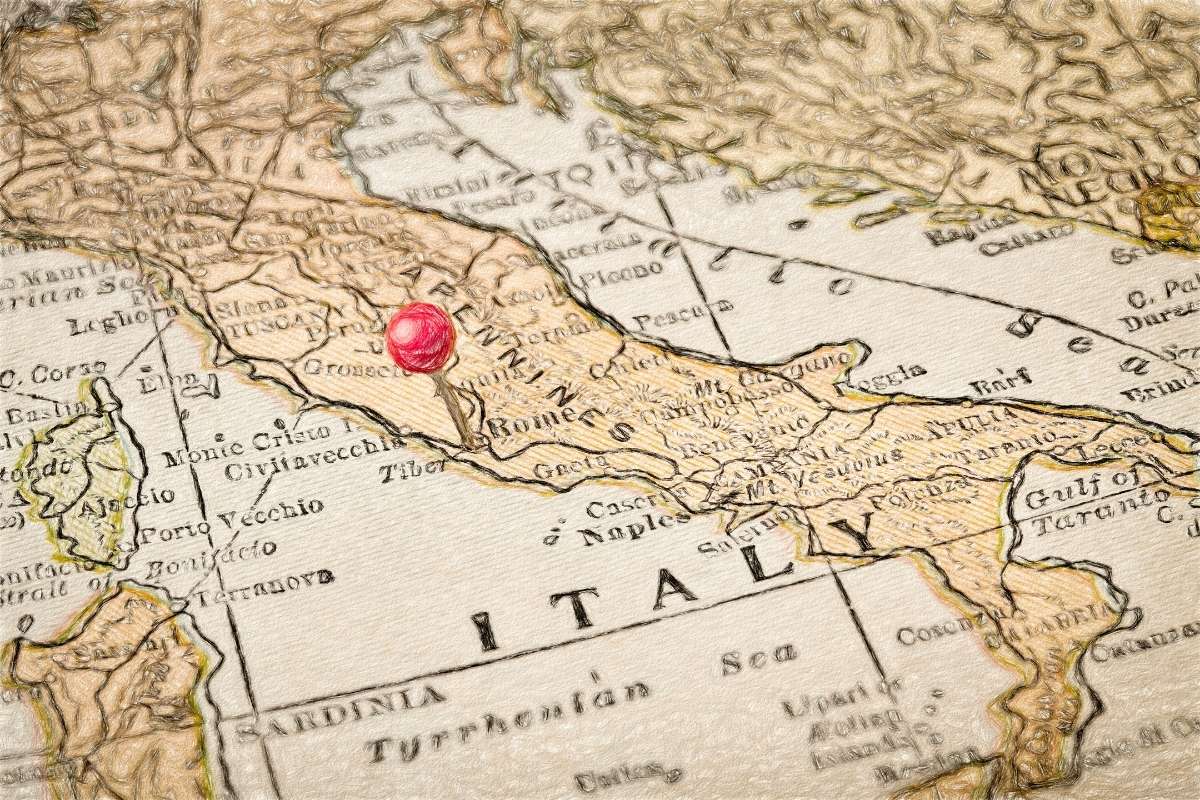
The two trips pull in opposite directions: Pompeii and Sorrento make a long, full day to the south, while Orvieto is a short hop to a quiet hill town. The better choice depends on whether you want to maximize your sightseeing or minimize your travel time.
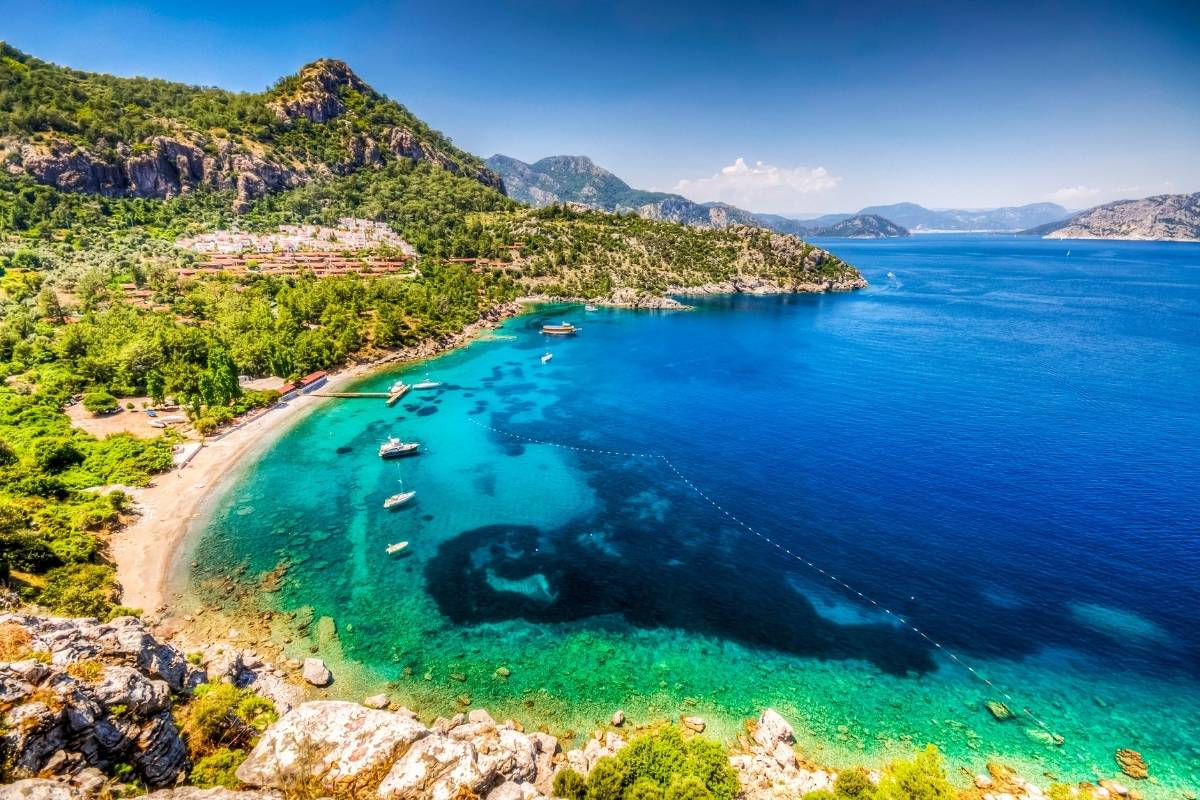
Marmaris wears two faces: a busy marina town with a lively waterfront, and a gateway to the quieter Turquoise Coast beyond it. Getting out on the water changes the experience entirely, opening access to coves, small villages, and historic sites that most visitors never see from shore.
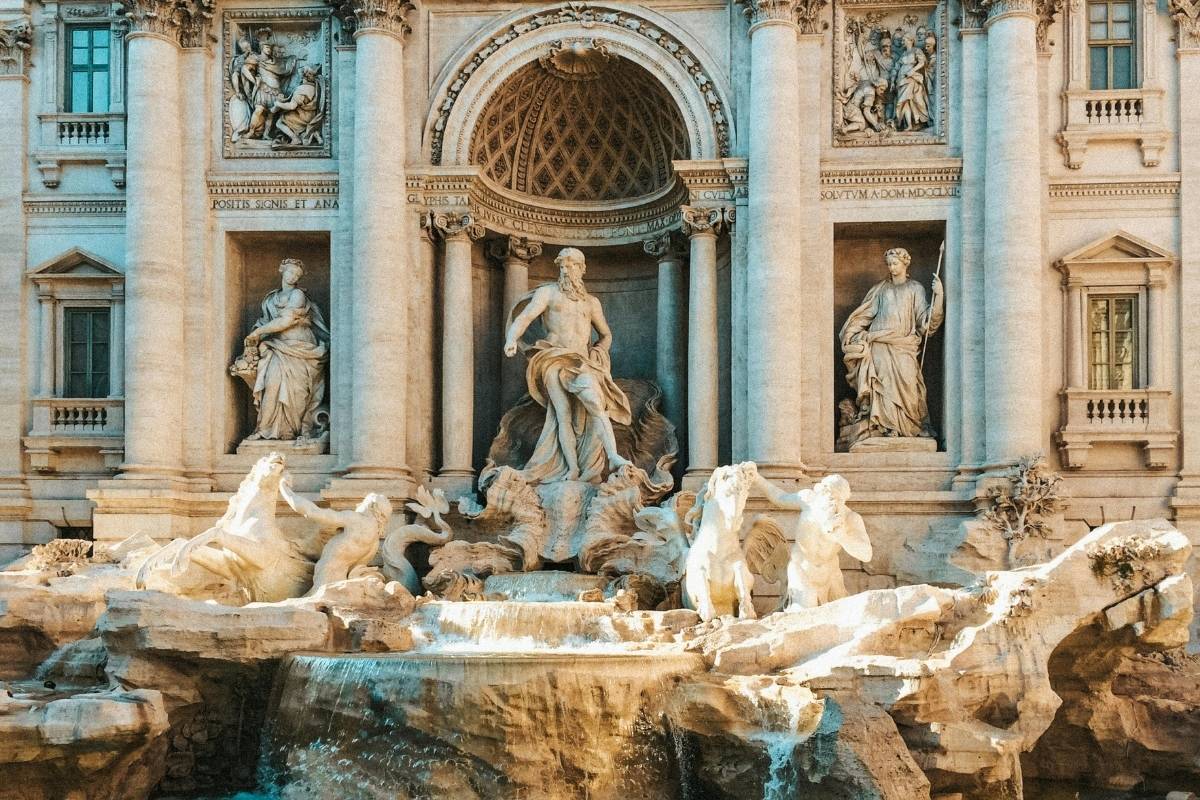
Three days is enough for Rome if you stop trying to see all of it. Grouping the city by area, ancient Rome one day, the Vatican another, the tangled center on foot, spares you the exhausting crisscrossing that ruins a first visit.
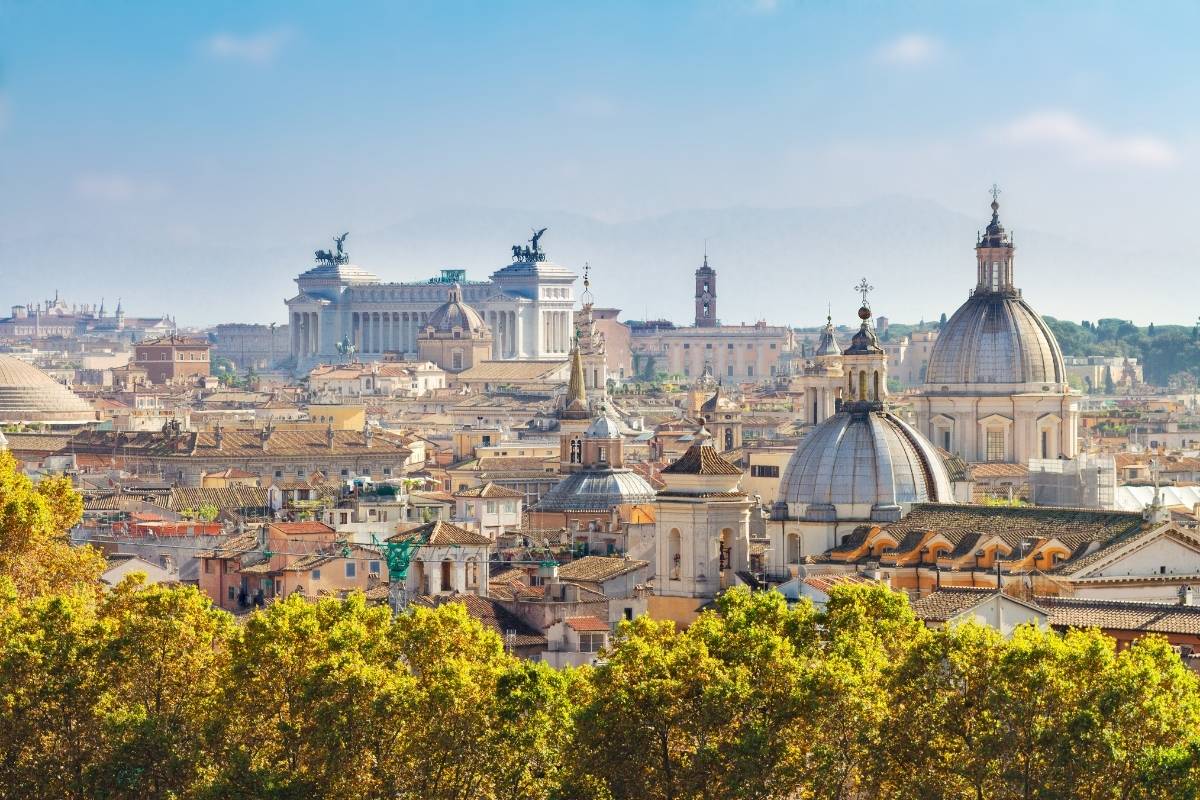
Experiencing Rome like a local has less to do with secret addresses than with rhythm: coffee taken standing at the bar, dinner late, the big sights left for the quiet hours. The neighborhood, not the monument, is where the day actually happens.
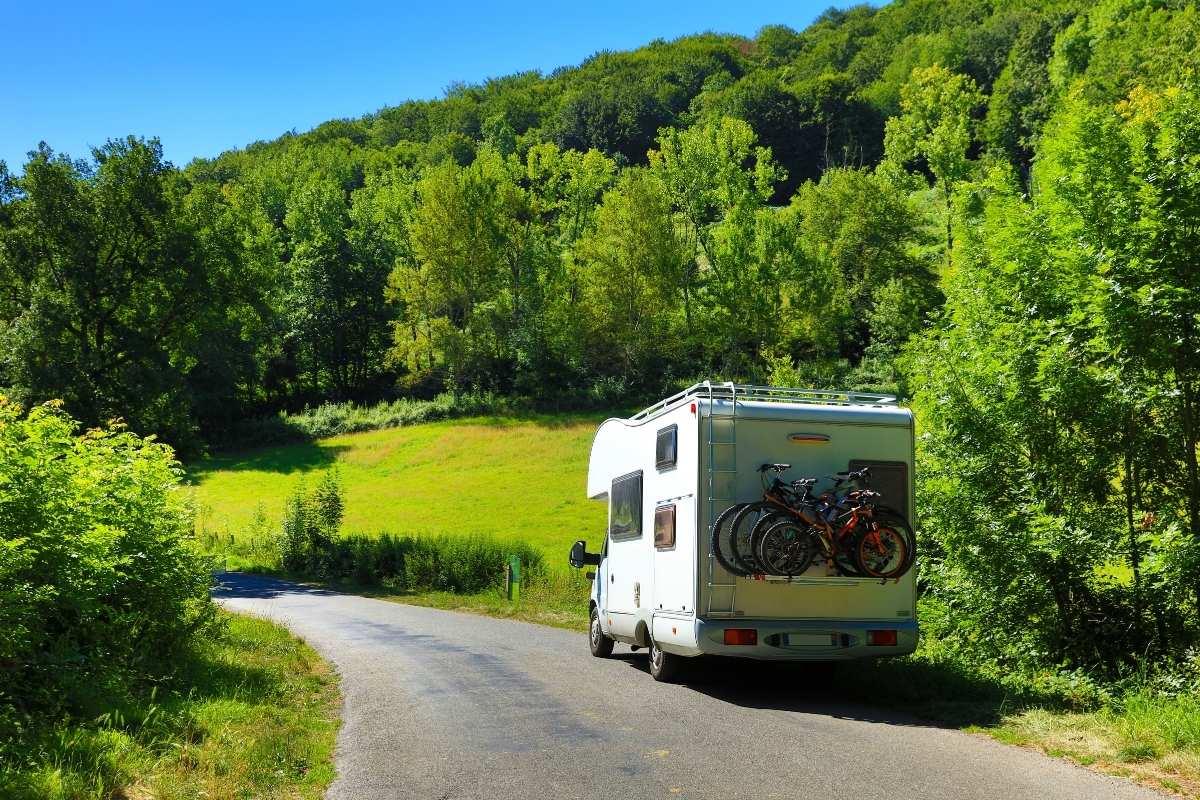
Northern France gets skipped for Paris and Provence, which is exactly its appeal: Channel beaches, Champagne country, and Flemish towns without the crowds. A motorhome suits it because the distances are short and France’s network of aires lets you stop almost anywhere for the night.
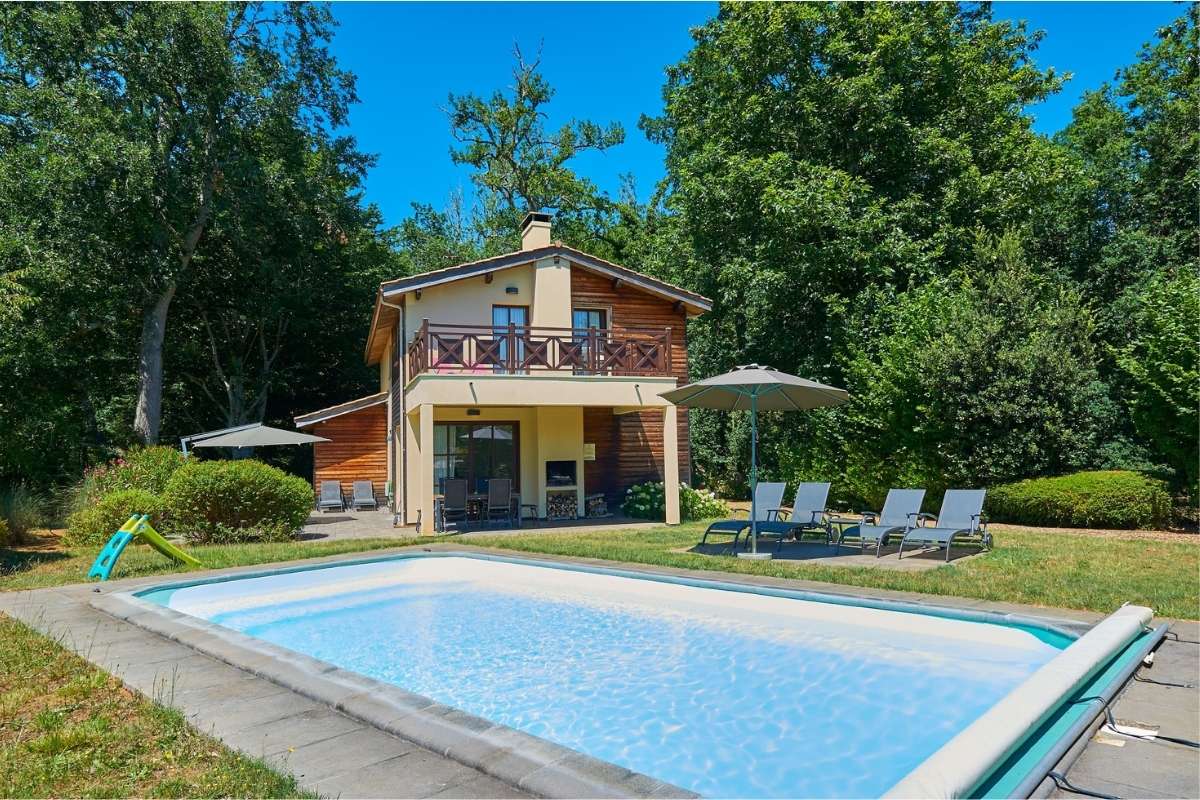
A French holiday park splits the difference between a rental and a resort: your own villa or lodge with a kitchen, plus pools, restaurants, and space for kids, usually near a coast or wine region. For a family or a group, it’s an affordable fixed base for exploring by day and coming home to your own door at night.

A day sailing off Naxos reaches the coves and tiny islets that stay out of reach by land, with swimming stops between them and the wind setting the pace. It trades the checklist of a land day for the slower rhythm of the water.

Airport parking is one of travel’s quietly ballooning costs, and Edinburgh is no exception: gate rates punish the unprepared, while booking ahead and comparing off-site park-and-ride lots can halve the bill. The cheapest choice depends on how long you’re away, which a few minutes online will sort out.

Portugal offers much of what draws travelers to Spain or Italy, at a gentler pace and often a lower cost, with historic cities, dramatic coastline, and a food culture that’s easy to fall into. The country’s popularity is growing quickly, making now a particularly interesting time to visit.

Krakow offers much of what draws crowds to Prague, an intact medieval old town, one of Europe’s grandest market squares, at a fraction of the price and the tourist crush. It also carries real historical weight, with Auschwitz a sobering day trip away, giving a visit more depth than a pretty skyline alone.

The West Highland Way earns its reputation by being demanding without being technical: 96 miles anyone reasonably fit can walk, through Highlands that turn wilder with every day north. It runs on stamina and planning, booked beds, weatherproof layers, and honest pacing, rather than any technical skill.

A crewed yacht charter is the opposite of a cruise ship: a handful of people, a flexible route, and islands too small for the big liners to reach. The appeal is the freedom to change plans as you go rather than following a fixed itinerary.

Scandinavian gardens make a virtue of a hard climate: a short growing season and long summer light push a style built on restraint, native planting, and structure that holds through winter. They repay slow looking, since the beauty is in what’s left out as much as what’s planted.

The UK’s knife rules catch out plenty of well-meaning campers: what’s legal to carry turns on blade length, locking mechanism, and having a genuine reason to have it on you. Understanding the limits before you travel keeps a useful tool from becoming a criminal offense, however innocent the intent.

A first Scotland itinerary always wants to fit in everything, castles, lochs, islands, cities, and the distances quietly defeat it. The country divides into regions that don’t easily combine in a week, so the useful question is which Scotland you’re coming for this time.

A food tour is best taken early in a trip, when it doubles as orientation: Athens makes more sense after a morning through its markets and back-street tavernas than after another ruin. You learn the neighborhoods, the rhythms, and where to come back for dinner.

Italy’s romance lives in the unhurried hours more than the postcard set-pieces: a long dinner, an evening passeggiata, a piazza emptying at dusk. The couples who feel it most pick a few places and slow down, rather than racing Venice to Tuscany to Amalfi in a week.

Croatia’s islands are more different from each other than the brochures suggest: Hvar’s nightlife, Vis’s quiet, Korčula’s old town are genuinely separate trips. Island-hopping by boat works best when the route is chosen for that contrast, not for how many you can reach in a week.

For anything longer than a couple of nights, a London flat often makes more sense than a hotel. A kitchen helps offset the city’s restaurant prices, there’s room to spread out, and staying in a neighborhood instead of a tourist district changes the experience. Giving up daily housekeeping matters less the longer you stay.

Italy tempts first-timers into trying to see all of it at once, from the Alps to Sicily in ten days. The country rewards the opposite: pick a region or two, slow down, and let the difference between north and south actually register.

Booking a short-term rental in Barcelona comes with a local catch: the city tightly licenses them, and an unlicensed flat can be cancelled out from under you. Beyond checking the license, most of the decision comes down to neighborhood, since Gràcia, the Gothic Quarter, and the beach make for three different trips.

A first European trip usually plans for the cathedrals and forgets the friction: the border-free but train-heavy distances, the tourist taxes, the shops shut on Sundays, the cash a card won’t replace. The surprises rarely spoil a trip, but planning for them keeps the small stuff from eating the days.

The best student travel destinations aren’t the fanciest but the friendliest to a small budget: affordable to reach, easy to get around, and full of other young travelers. Stretching a limited budget without sacrificing the experience is what makes these destinations stand out.

Puglia offers a slower side of Italy, with olive groves, whitewashed towns, warm seas, and villas designed for lingering rather than sightseeing. Renting a house shifts the trip toward long meals, local markets, and time outdoors.

A Split boat party sells a very particular week: a young crowd, a loose flotilla, and a social scene that happens to float past the Dalmatian coast. The islands are the backdrop, not the point, which is worth knowing before you book expecting a sightseeing cruise.

Every culture has its comfort food, the dish that means home and childhood, and they rarely resemble each other on the plate. Tasting a place’s version is a quick way into it, since what a people reach for when they need soothing says as much as any landmark.

Worthing is the calmer neighbor to Brighton up the coast, a traditional English seaside town with a pier and pebble beach but far fewer crowds. It’s the South Downs coast at a gentler pace.

Dating shows are travel marketing disguised as romance. The villa, the beach, the sunset backdrop are cast as carefully as the contestants, and most of these locations are real and bookable, which is why a hit season quietly turns an obscure resort into a destination.

Wales gets skipped by travelers rushing between England and Scotland, which leaves its castles, coastline, and living Welsh culture pleasantly uncrowded. Given its own few days rather than a drive-through, it stands entirely on its own.

The world’s most luxurious destinations have surprisingly little in common with extravagance for its own sake. Privacy, attentive service, and freedom from crowds often matter far more than gold fixtures or grand entrances.

Poland has quietly become a bachelor-party favorite for a simple reason. A big weekend there costs a fraction of what it would in London or Amsterdam, and Kraków and Wrocław pair cheap drinks and lively old towns with enough history that the trip needn’t be only about the hangover.

France’s loveliest villages reward travelers who slow down. Pick one region, spend a few days there, and leave room for markets, cafés, and long walks instead of trying to see as many villages as possible.

Greece gets expensive only where everyone goes, Santorini in August, the headline islands at peak. Follow the locals to the mainland, the lesser-known Cyclades, and the shoulder season, and the country turns genuinely affordable, often on a better trip than the crowded postcard version.

Most visitors photograph Casa Batlló’s rippling facade and move on, missing the point: Gaudí built the inside almost entirely without straight lines, with a stairwell of shifting blue tile and a roof like a dragon’s spine. The interior is the reason to book a timed ticket rather than admire it from the sidewalk.

The Middle East covers far more ground than the phrase suggests, from glass-tower cities to two-thousand-year-old desert ruins. For a first visit, a few countries make an easier, warmer introduction than others.

The Halloween tours worth taking trade on real history rather than rubber masks, a city with genuine plague pits, old executions, ghost stories older than the tourism. The scare lands differently when a place actually earned its reputation.

Summer changes the way you travel in Italy. Popular destinations fill quickly. The heat slows the afternoons, and the busiest sights reward an early start.

The best travel apps earn their place before your trip begins. Download them, sign in, and learn how they work at home. They become far more useful when you’re standing in a train station without a signal.

Medical tourism can reduce the cost of healthcare dramatically, but the savings come with extra planning. Choosing the right clinic, arranging follow-up care, and understanding the risks matter just as much as the price.

European beer is deeply regional: a Trappist ale in Belgium, a pilsner in the Czech town that invented it, a Bavarian hall built for the stuff. A beer tour works best as a way to taste each place through its glass, where the tradition and the brew belong together.

Paris rewards travelers who leave room to wander. Some of its best moments happen between the landmarks, in neighborhood cafés, quiet streets, and the simple pleasure of walking without a schedule.

The fish may be the reason for the trip, but the places often become the lasting memory. Some of the world’s best fishing destinations are remarkable long before the first cast.