
3 Outstanding Cultural Things to Do in Worcester, Massachusetts
Some cities earn the detour with one great museum. Worcester makes you choose among several.

Ready-to-use trip plans you can follow as-is or adapt to your schedule. Each itinerary includes where to stay, where to eat, and what to see, all road-tested on real trips.
Some cities earn the detour with one great museum. Worcester makes you choose among several.
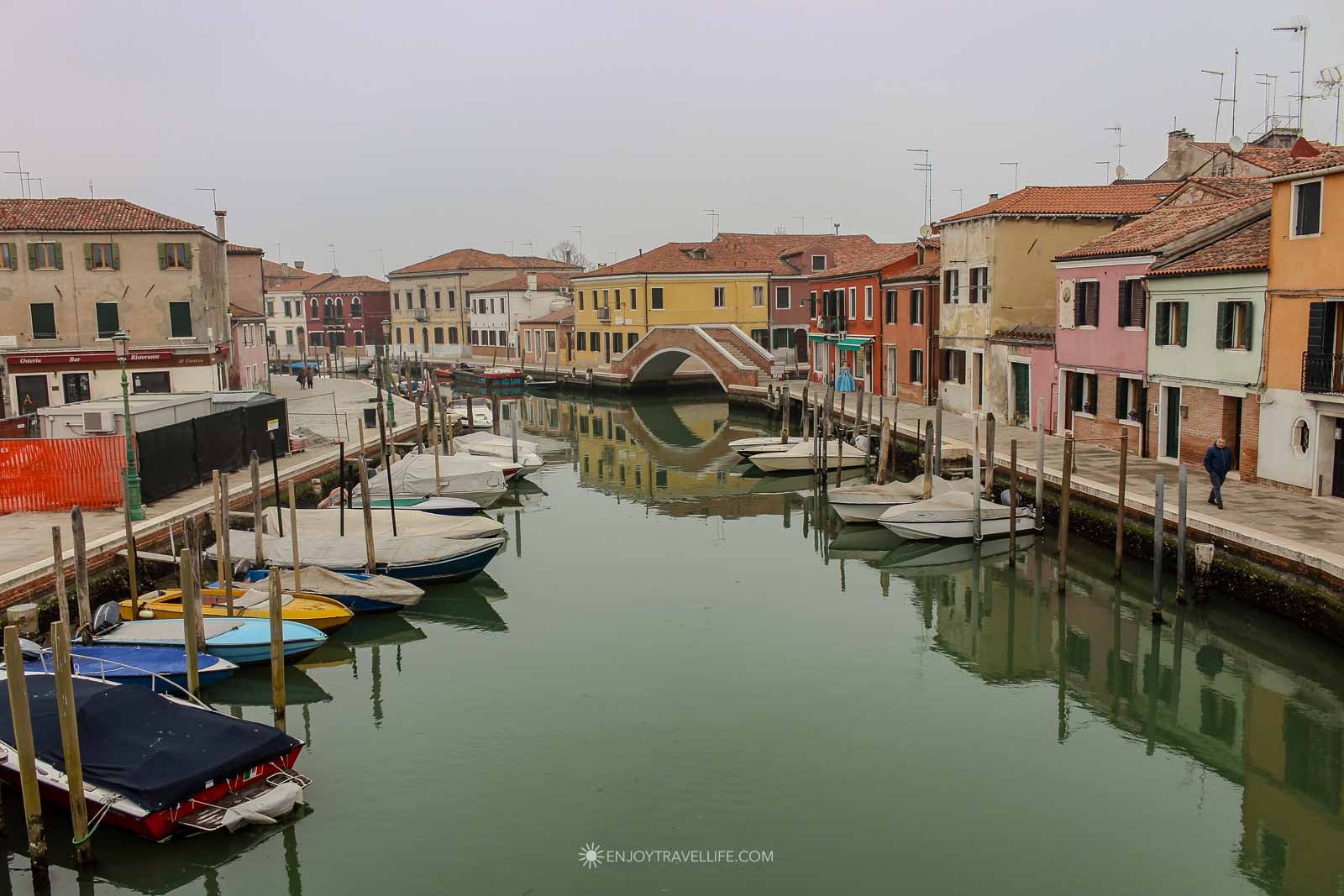
Murano and Burano get lumped into one trip, but they reward different things: one for glass, one for color. The ferry between them is what the day really turns on.
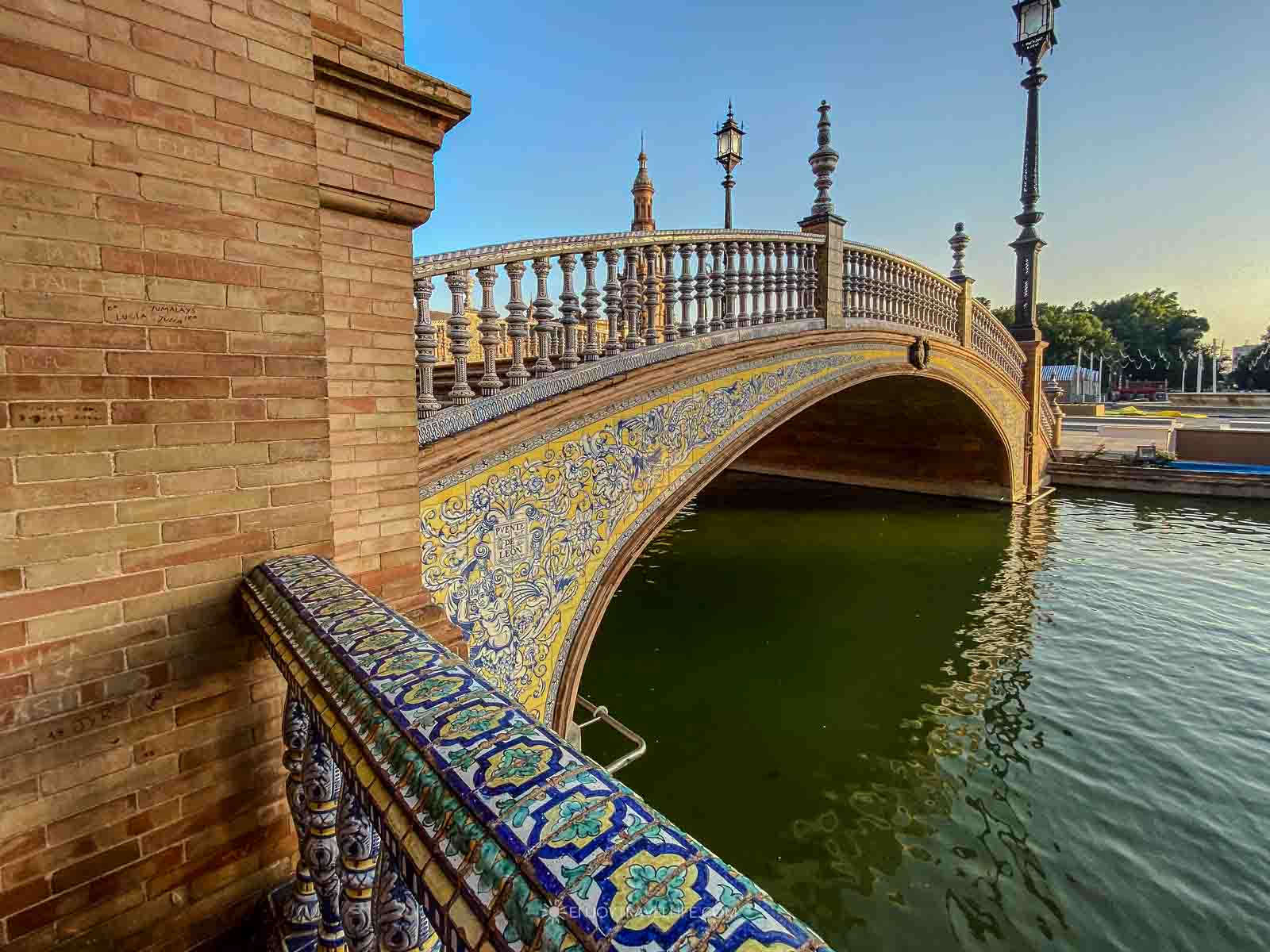
Two days in Seville aren’t about seeing everything. They’re about working with the city’s rhythm, when to explore, when to slow down, and when the streets come alive again.
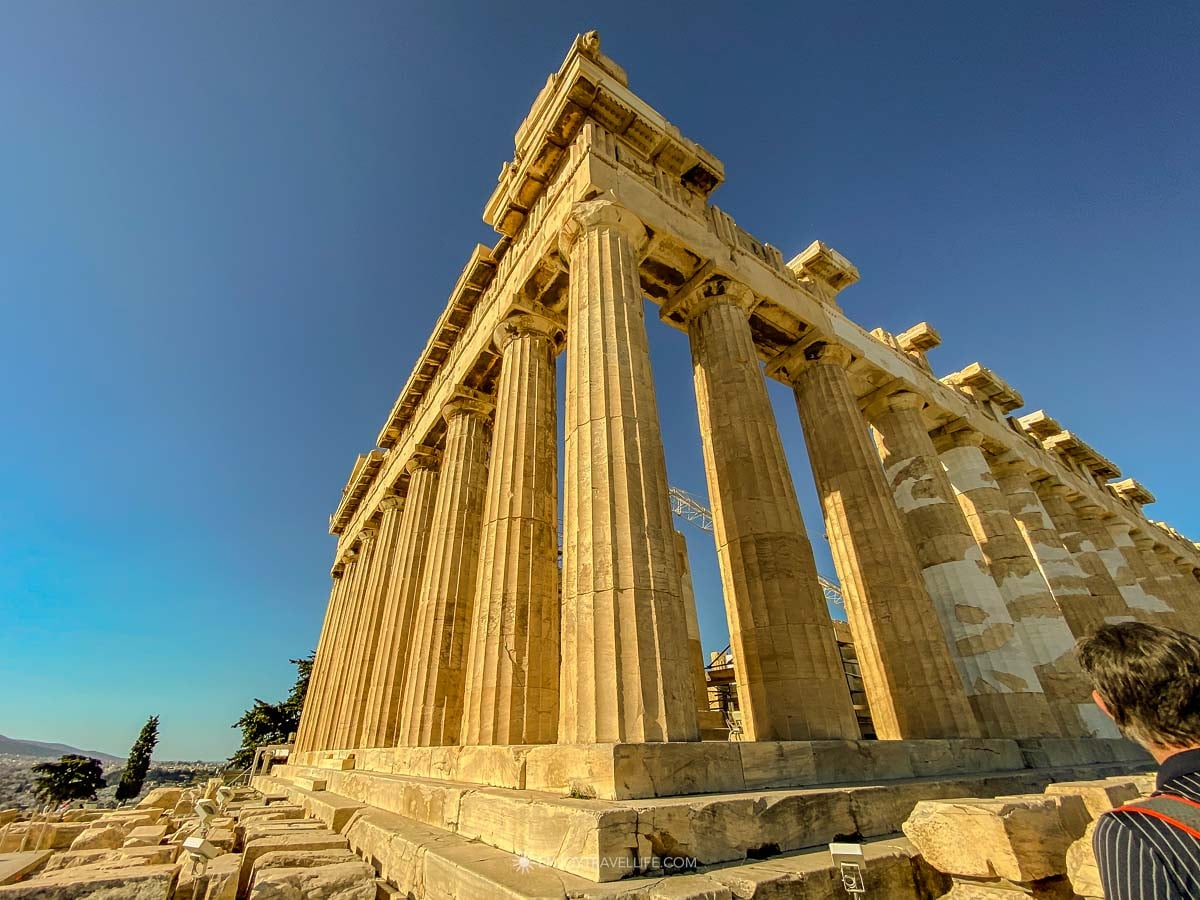
It’s tempting to treat Athens as a layover on the way to the islands. Spend two days here in the right order, and it becomes a destination in its own right.

A luxury picnic is less about the food than the occasion: arriving to a styled table on the sand, lingering through sunset, and leaving the setup and cleanup to someone else. It suits the moments worth marking, like a proposal or anniversary, more than an ordinary afternoon.

Vision is easy to forget until a lost pair of glasses or dry, tired eyes derails a day abroad. A little redundancy, a spare pair, a copy of your prescription, decent sunglasses, keeps a small problem from becoming a trip-ruining one.

A weekend retreat works only when travel doesn’t eat the weekend: somewhere close enough to reach without a whole day in transit, simple enough that you’re not managing an itinerary. The point is to decompress rather than sightsee, which the best short escapes make almost effortless.

New York’s finest views often aren’t from the ticketed observation decks. A Staten Island Ferry crossing, the Brooklyn Bridge at dusk, or a rooftop overlooking the skyline each offers a different perspective on the city.

The best birthday trips reflect the person you’re celebrating rather than a checklist of “must-do” experiences. Choosing one memorable place or experience often means more than trying to fit everything into a single weekend.

Travel within a co-parenting arrangement runs smoothly when the ground rules are settled well before anyone packs: schedules, travel consent, how you’ll communicate, and keeping a child’s routine steady across two homes. Clear agreements spare everyone the friction, and keep the focus where it belongs, on the kids.

A family trip usually reflects whoever did the planning. Matching the pace to the kids, building in downtime, and booking around meals and naps often matter more than the destination itself.

Baltimore surprises first-timers who only know its rough reputation: a city of tight-knit neighborhoods, world-class museums, and the best crab on the East Coast. The Inner Harbor gets the postcards, but the character lives a few blocks inland in places like Fell’s Point and Hampden.

An adventure trip with a family lives or dies on its youngest, least eager member: the itinerary has to flex to the shortest attention span, not the highest ambition. The trips that work build around one shared challenge everyone can meet, rather than a schedule that suits only the fittest.

Philadelphia is more walkable than a city its size has any right to be: the Revolutionary landmarks, the great museums, and the food halls cluster close enough to cover on foot over a couple of days. A first trip works best built around neighborhoods rather than a checklist of sights.

A travel budget works best as a plan for where the money goes, not a cap on it: deciding up front which parts of a trip deserve a splurge and which don’t. The savings are set before you book, not scrounged once you arrive.

Traveling with friends tests the group more than the destination: money handled unevenly, decisions nobody wants to own, paces that don’t match. Agreeing how you’ll split costs and make calls before you leave is what keeps the trip from straining the friendships.

The Upper West Side is a quieter New York than the midtown postcard: Central and Riverside Parks at its edges, the museums and Lincoln Center, and the rhythm of a neighborhood people actually live in. Its pleasures are the everyday kind, best found by moving at a resident’s pace rather than ticking off landmarks.

A short New York visit forces a choice most travelers resist: pick a couple of neighborhoods and go deep, or spend the trip underground chasing a checklist across the boroughs. The city rewards whoever accepts they can’t see it all in a weekend and plans for that.

Booking travel for a team is really about removing friction for everyone else: clear policies, one booking process, and defaults that spare each traveler the same round of decisions. Good corporate travel is measured by how little the travelers have to think about it.

Australia is the size of a continent, and the common mistake is trying to see too much of it at once. The distances between its icons are measured in flights, not hours, so choosing one region usually makes for a much better trip.

Adventure and small children seem opposed. One wants spontaneity while the others need routine. The trips that work combine one memorable adventure each day with familiar meals and enough time to rest.

Sydney divides between the harbor everyone photographs and the beach-and-suburb life locals actually live, and the ferry network is the thread between them. A good itinerary uses the water as transport, trading a checklist of landmarks for the city’s habit of living outdoors.

Kuala Lumpur makes the most sense as a crossroads where Malay, Chinese, and Indian cultures come together. The skyline may grab your attention first, but the neighborhoods and food tell the deeper story of the city.

Santa Monica is one of the few corners of Los Angeles you can enjoy without a car: the beach, the pier, the shops, and good food are all within a walkable stretch. A weekend here trades the sprawl and traffic of the wider city for a compact, coastal version of it.

Nicaragua offers a lot of what draws travelers to Costa Rica next door, with fewer crowds and gentler prices. A week is enough to pair colonial Granada with a volcano rising out of a lake, without ever feeling rushed.

Illinois is more than Chicago, though the skyline gets all the attention: downstate offers river towns, prairie, and Lincoln’s history at a slower pace entirely. A good getaway decides early whether it’s a city trip or a country one, since the two share little beyond a state line.

Staying fit on the road works better when you lower your expectations instead of trying to recreate your routine at home. A daily walk, a short bodyweight workout, or a flight of hotel stairs keeps the habit going until you’re back.

Travel with kidney disease is more possible than many patients assume, though it takes planning the rest of us skip, arranging dialysis at the destination, managing diet and fluids on the road, carrying meds and records. Handled early with a care team, those logistics free the trip rather than limit it.

Israel packs an unusual amount into a small country, ancient history, living religion, Mediterranean beaches, all within a couple of hours’ drive. For a family, the art is pacing the heavy, meaningful sites so children stay engaged, and staying current on conditions that can shift the plan.

Dating shows are travel marketing disguised as romance. The villa, the beach, the sunset backdrop are cast as carefully as the contestants, and most of these locations are real and bookable, which is why a hit season quietly turns an obscure resort into a destination.

Ottawa is a rare capital you can do well without a car: compact, transit-friendly, with the Parliament buildings, museums, and canal clustered in a walkable core. Arriving by bus and getting around the same way skips the parking and the expense, and the city is small enough that you won’t miss the wheels.

St. George works best understood as a base rather than a destination: a warm-weather town at the doorstep of Zion and a ring of red-rock parks. It shines in the shoulder seasons, when southern Utah is perfect and the high country is still buried in snow.

May might be New York’s best month to visit. The weather turns kind before summer’s heat and crowds arrive, and the whole city moves outdoors. A short trip should lean into that. Spend the time in parks, on rooftops, and walking neighborhoods, and save the indoor attractions for a colder visit.

Flights are often the biggest expense of a Paris trip. Booking early, staying flexible, and understanding the difference between the city’s two airports can make a noticeable difference before the trip even begins.

A week gives you time to see more than Dubai’s skyline. Spend time in the older neighborhoods, explore the souks, and get out into the desert. Those experiences add a different perspective to the city.

Barcelona’s headline sights, the Gaudí buildings, the Ramblas, are worth seeing and always mobbed. The city opens up when you balance them with its everyday life: a neighborhood market, a long lunch, an evening in a quieter barrio. Time the famous stuff early, then let the ordinary city take over.

Cabo’s resort strip is a small, polished corner of a much wilder Baja. The day trips are where the peninsula opens up: the art town of Todos Santos, whales offshore in winter, the quiet East Cape beaches. Get out of the pool for a day, and Cabo becomes a launch point instead of the whole trip.

Vacation tension usually has less to do with anyone being difficult than with tired people, mismatched expectations, and spending more time together than usual. Building in downtime, a little personal space, and a realistic pace heads off most of the friction before it starts.

With only two days, the temptation is to chase every famous lake at once, and the drives between them will quietly eat the weekend. Pick one or two highlights instead, and you’ll spend more time enjoying Banff than driving through it.

A theme-park vacation is a logistics exercise dressed up as fun. The magic is real, but it survives only if you handle the unglamorous parts: off-peak dates, tickets and reservations sorted early, and rest days built in before anyone melts down. Plan it like a small campaign, and the park delivers what the ads promise.

Travel teaches in a way a classroom can’t: a language heard in the street, history walked through, a problem solved in a place with no safety net. But the learning isn’t automatic. A little intention, a question to chase, a journal, a conversation with a local, turns a trip from a break from school into an education of its own.

Abu Dhabi is the UAE’s quieter, more cultural capital, easy to overlook beside Dubai’s glitz. Its signatures lean grand but contemplative: the vast white Sheikh Zayed Grand Mosque, the desert-domed Louvre, a corniche made for evening walks. For travelers who find Dubai exhausting, Abu Dhabi is the same region at a calmer pulse.

Four days is enough for Puerto Rico if you don’t spend them all in San Juan. The island is compact enough to combine the old city with rainforest trails, bioluminescent bays, or west-coast beaches in a single trip.

The biggest adjustment for a first trip to Spain isn’t the language or the sights, it’s the clock: lunch at two, a quiet afternoon, dinner closer to ten, and streets that fill up after dark. Get on Spanish time early and the rest of the trip falls into place.

A photography safari runs on the animals’ schedule, not yours: the golden hours at dawn and dusk, the patience to wait where light and wildlife meet. The luxury tier buys access more than comfort, private vehicles, expert guides, the freedom to stay out when everyone else breaks for lunch. That access, more than any lodge, is where the great photographs come from.

Beyond the beach clubs and infinity pools, Bali runs on a living Hindu culture you can’t miss if you look: daily offerings on the doorstep, water temples, and rice terraces shaped by a centuries-old system of water-sharing.

Two days in Dubai forces a choice the city doesn’t make easy: it has far more marquee attractions than a short visit can hold. Trying to see it all is how people leave exhausted and underwhelmed. Pick a lane, futuristic spectacle or old-town culture, luxury or desert, and a brief stay delivers more than a frantic tour of everything.