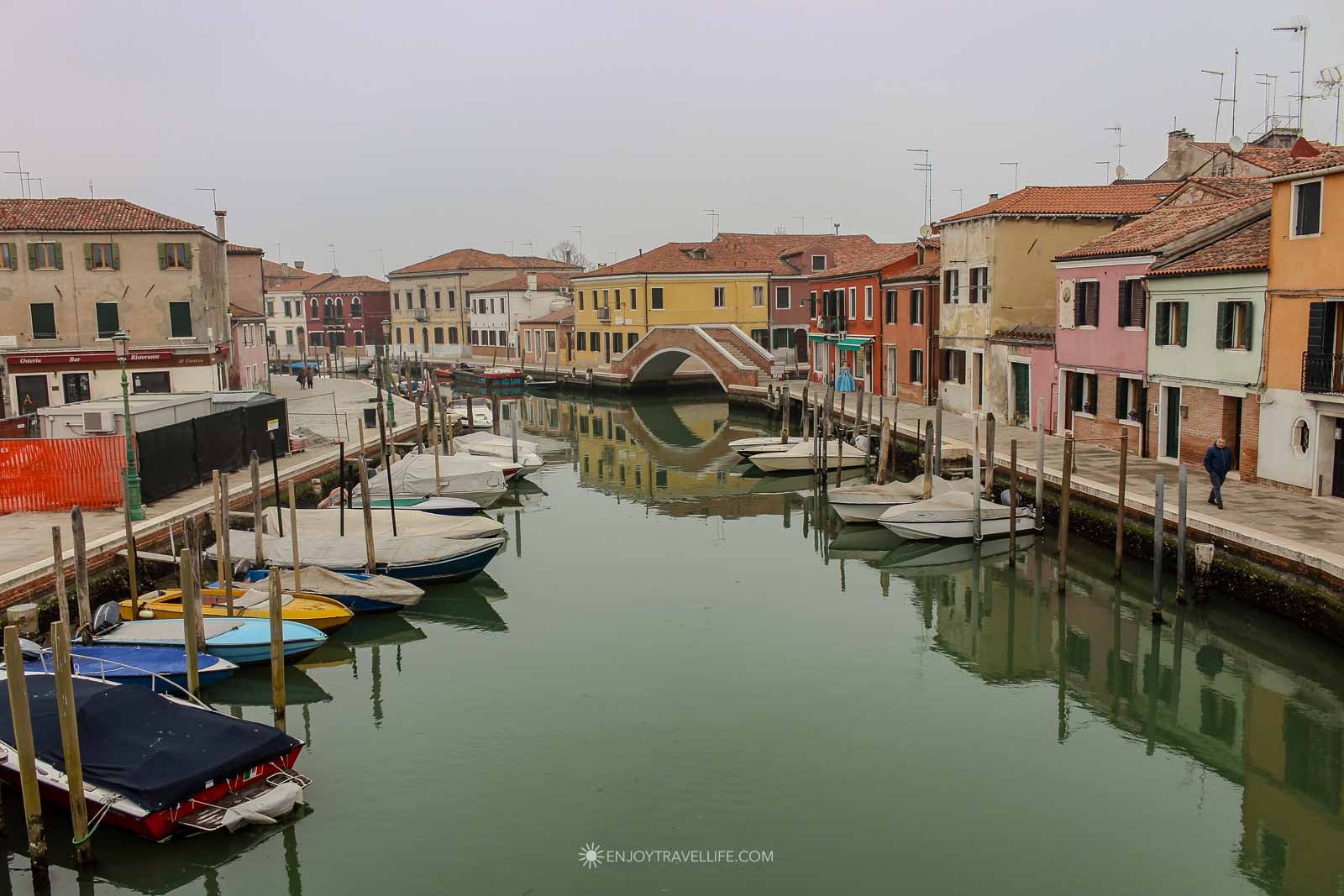
How to Visit Murano and Burano from Venice (Avoid These Mistakes)
Murano and Burano get lumped into one trip, but they reward different things: one for glass, one for color. The ferry between them is what the day really turns on.

Italy rewards slowing down. Wander Venice’s canals, linger over long Tuscan lunches, walk Florence and the Cinque Terre, and discover the smaller towns that often become the highlight of the trip.
Browse the articles below and check out this comprehensive guide to Italy to start planning your perfect vacation to Italy.
Murano and Burano get lumped into one trip, but they reward different things: one for glass, one for color. The ferry between them is what the day really turns on.
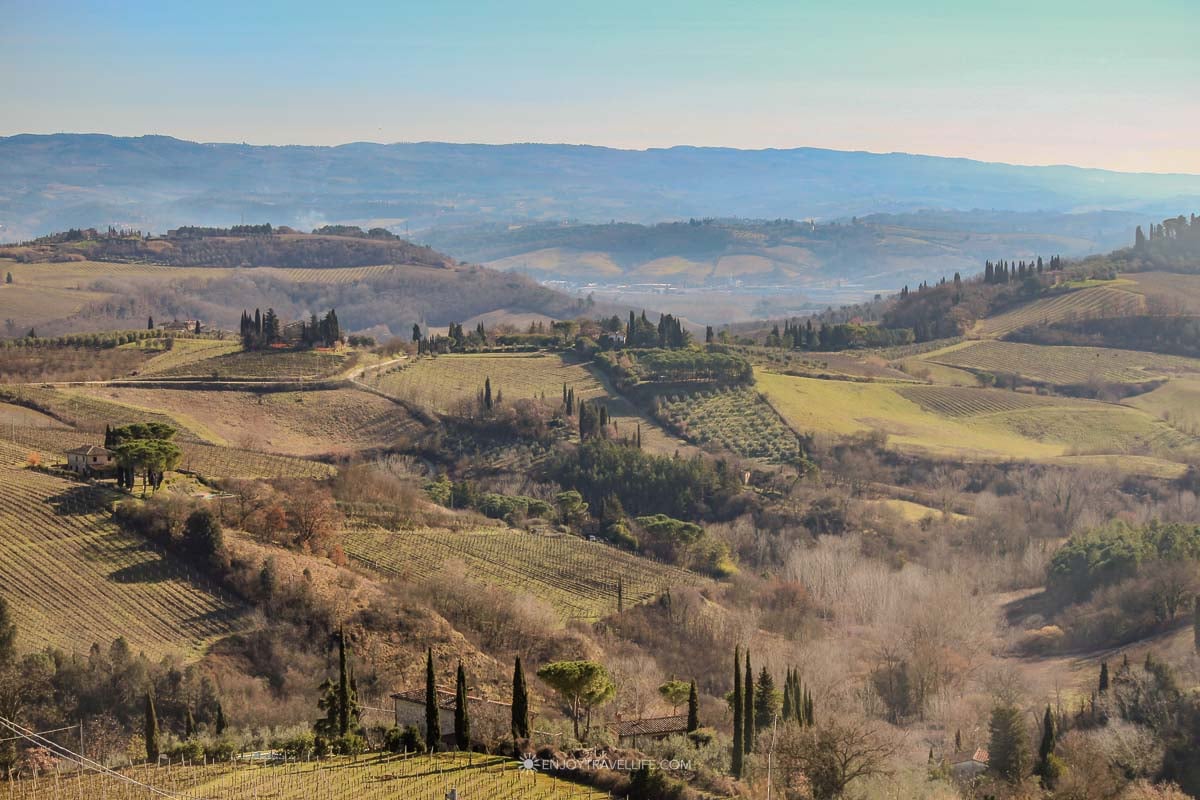
These tours trade depth for convenience: a lot of Tuscany in a single day, none of it for very long. Whether that’s a bargain or a blur depends on what you want from the countryside.
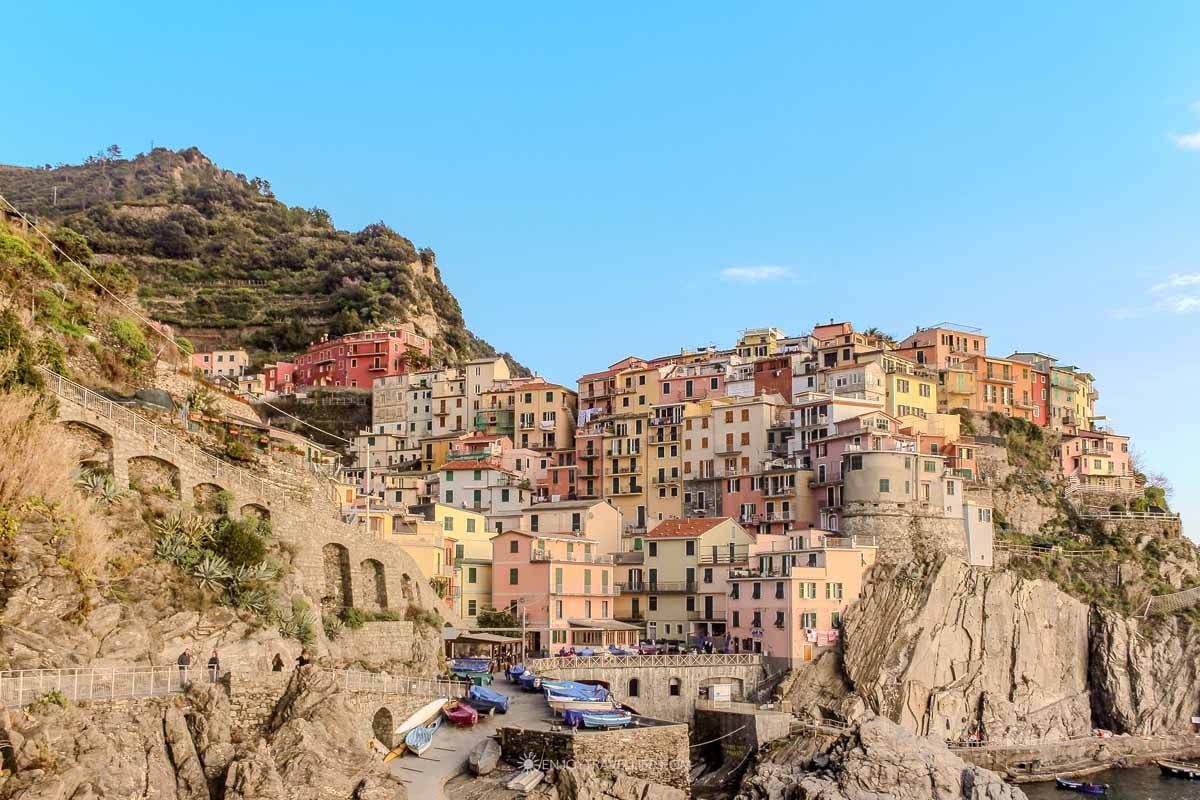
Winter trades the crowds for something quieter: emptier trails, a moodier sea, and villages that feel like they belong to the locals again. A few things close, but what you gain is hard to find in summer.
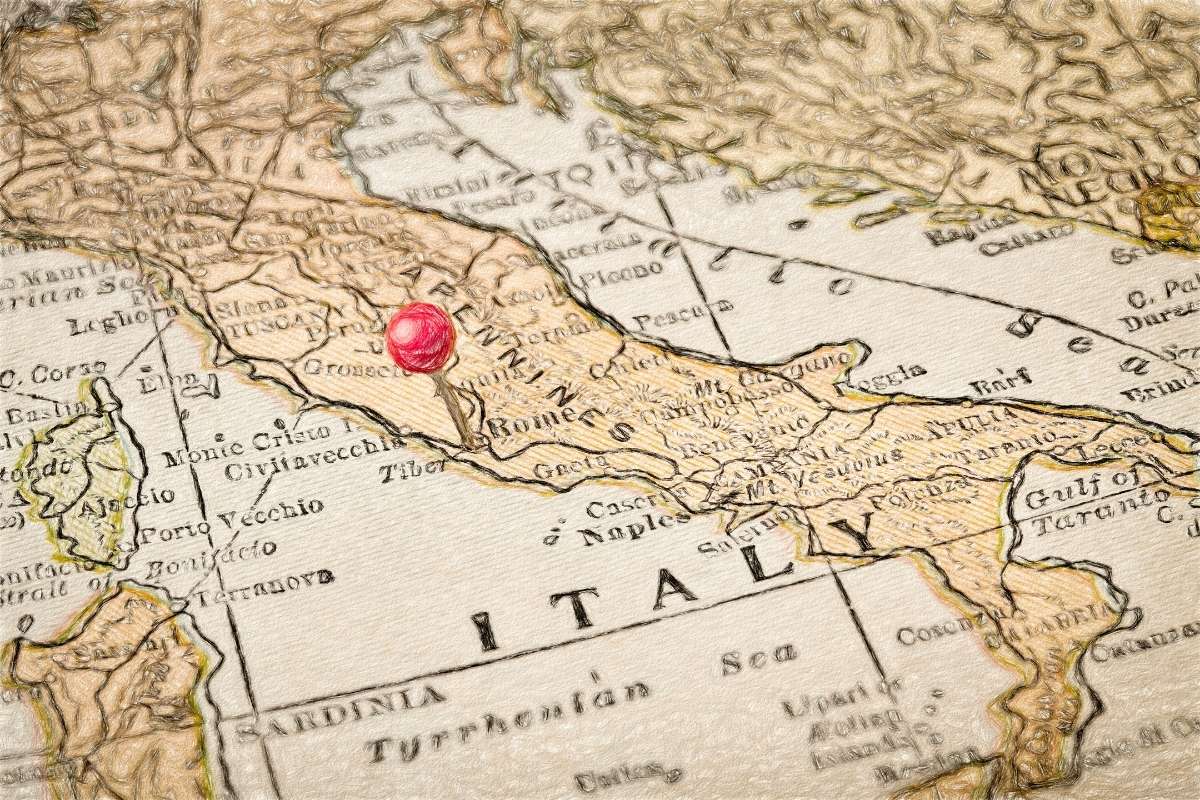
The two trips pull in opposite directions: Pompeii and Sorrento make a long, full day to the south, while Orvieto is a short hop to a quiet hill town. The better choice depends on whether you want to maximize your sightseeing or minimize your travel time.
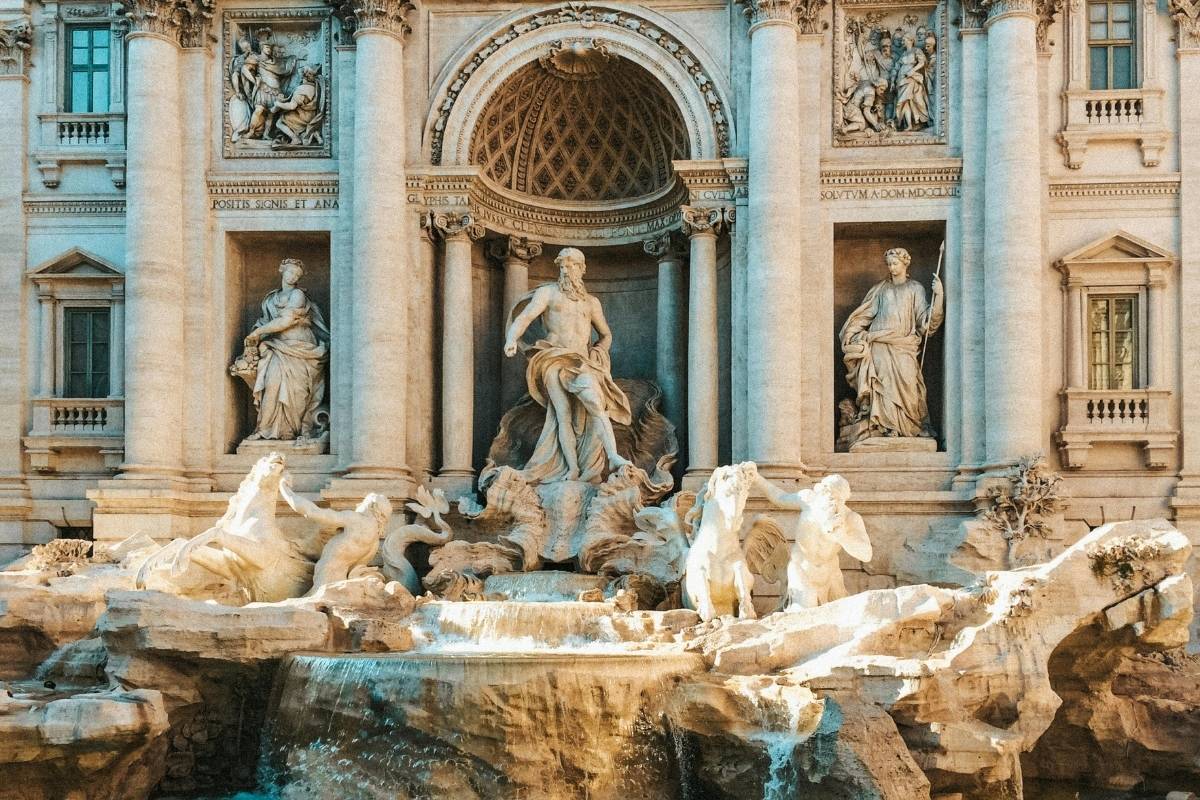
Three days is enough for Rome if you stop trying to see all of it. Grouping the city by area, ancient Rome one day, the Vatican another, the tangled center on foot, spares you the exhausting crisscrossing that ruins a first visit.
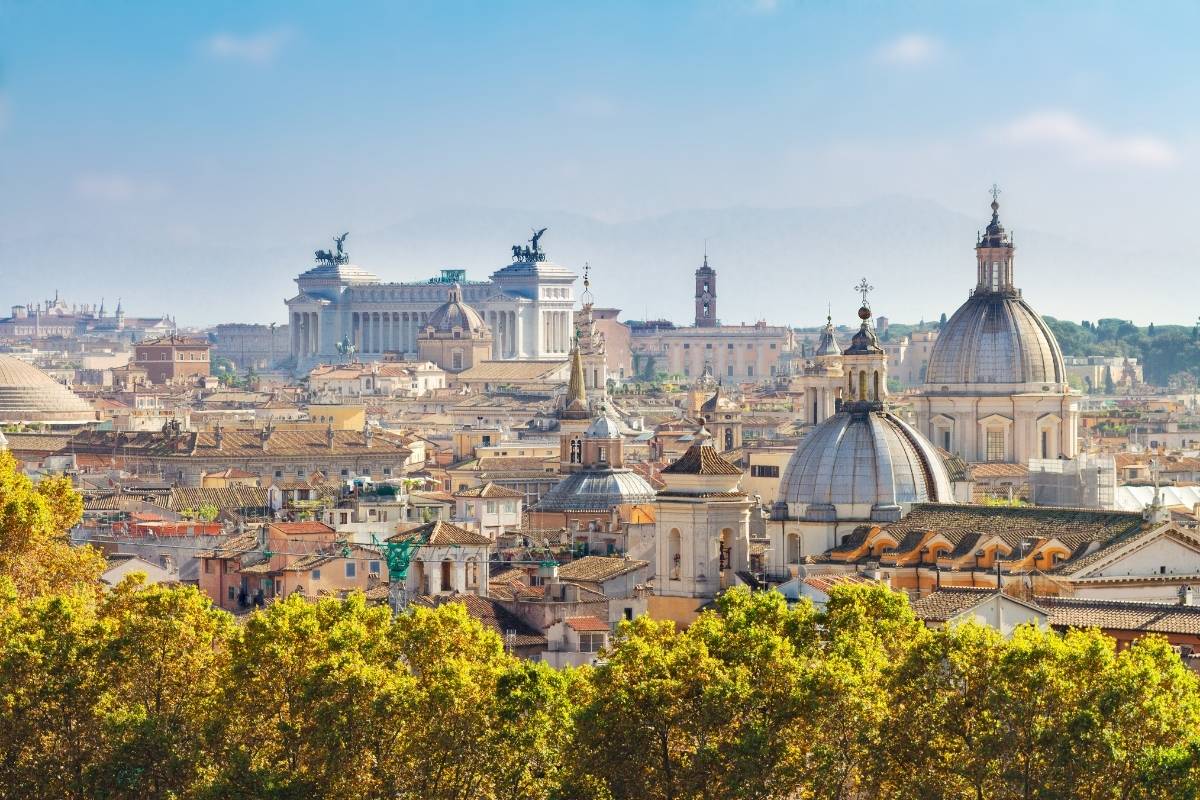
Experiencing Rome like a local has less to do with secret addresses than with rhythm: coffee taken standing at the bar, dinner late, the big sights left for the quiet hours. The neighborhood, not the monument, is where the day actually happens.

Italy’s romance lives in the unhurried hours more than the postcard set-pieces: a long dinner, an evening passeggiata, a piazza emptying at dusk. The couples who feel it most pick a few places and slow down, rather than racing Venice to Tuscany to Amalfi in a week.

Italy tempts first-timers into trying to see all of it at once, from the Alps to Sicily in ten days. The country rewards the opposite: pick a region or two, slow down, and let the difference between north and south actually register.

The best student travel destinations aren’t the fanciest but the friendliest to a small budget: affordable to reach, easy to get around, and full of other young travelers. Stretching a limited budget without sacrificing the experience is what makes these destinations stand out.

Puglia offers a slower side of Italy, with olive groves, whitewashed towns, warm seas, and villas designed for lingering rather than sightseeing. Renting a house shifts the trip toward long meals, local markets, and time outdoors.

Summer changes the way you travel in Italy. Popular destinations fill quickly. The heat slows the afternoons, and the busiest sights reward an early start.

A festival can reorder a Florence trip around something the city still does for itself, from the Easter cart explosion to the summer football played in Renaissance costume. Time your visit well and you’ll experience Florence while it’s being lived in, not just visited.

Venice and Naples sit at opposite ends of Italy in more than geography: one refined, hushed, and floating; the other loud, raw, and gloriously alive. Which you’d rather have says a lot about the kind of trip you’re after.

Milan rewards shoppers who know what they’re looking for before they arrive. From luxury fashion to neighborhood boutiques, each district offers a different experience.

Prosecco has a reputation as inexpensive sparkling wine, but the best bottles from Veneto tell a different story. The steep Conegliano hills and the tiny Cartizze cru produce wines with remarkable depth and character.

Monteriggioni is small enough to cross in twenty minutes: a perfectly walled hilltop village of a dozen buildings inside a ring of medieval towers. It works best as a short, atmospheric stop between Siena and San Gimignano, worth the climb to walk the walls before moving on.

The smartest retirement travel list is ordered by your body, not your budget. The physically demanding trips, the treks, the long-haul adventures, the once-in-a-lifetime climbs, belong at the front while the knees still cooperate. The gentle river cruises can wait. Retirement gives you the time; the honest move is spending the early, healthy years on the trips that need them.

The Dolomites are Italy with an Alpine accent: German spoken as often as Italian, dumplings and speck instead of pasta, and jagged peaks the Mediterranean south never sees. The itinerary is really about the mountain passes between them, and lunch at a hut with a view.

Roman food rewards the traveler who orders like a local: a plate of cacio e pepe done right, a fried artichoke in the old Jewish quarter, an espresso taken standing at the bar. The city’s genius is in a few simple dishes, made the same way for generations.

Siena packs its best into a small, walkable core, so even a few hours centered on the shell-shaped Campo and the striped Duomo feel complete. It makes an easy half-day escape from the Florence crowds.

The fourteen surviving towers are what’s left of a medieval arms race, where rival families competed to build higher than their neighbors. San Gimignano is essentially a skyline frozen mid-boast.

A few steps from Fiesole’s famous overlook, an unshowy trattoria serves hearty Tuscan plates at local prices, well below what the same meal would cost down in Florence.

A local bus climbs from the Duomo to Fiesole in about half an hour, where Florence spreads out below as the evening light changes. The hill town itself is every bit as rewarding as the view.

Fans of Under the Tuscan Sun come to Cortona to glimpse Bramasole, the villa behind the book. The quieter surprise is the hill town around it, worth the climb whether or not you’ve read a word.

Carnevale transforms Venice with elaborate masks, historic costumes, and traditions that have shaped the celebration for centuries. Visiting during the festival offers a very different perspective on the city than any other time of year.

Positano’s dramatic setting explains why it has become one of the Amalfi Coast’s most recognizable towns. Even a short stay is enough to understand why so many visitors wish they had planned longer.

The film turned Frances Mayes’s memoir into a romance, but the book is something quieter: a story about restoring an old villa and building a life in Tuscany. Knowing the difference makes it easier to appreciate each on its own terms.

Florence has a way of raising your standards the moment you arrive, so it pays to pack a few things that rise to it. The right accessories, chosen to travel well and dress up an outfit, let you look the part without hauling a wardrobe. In a city this stylish, a little intention with what you bring goes a long way.

Some travel memories stay with you because of where you were. Others stay because of how you felt in the moment. A quiet breakfast overlooking Positano turned out to be one of those moments.