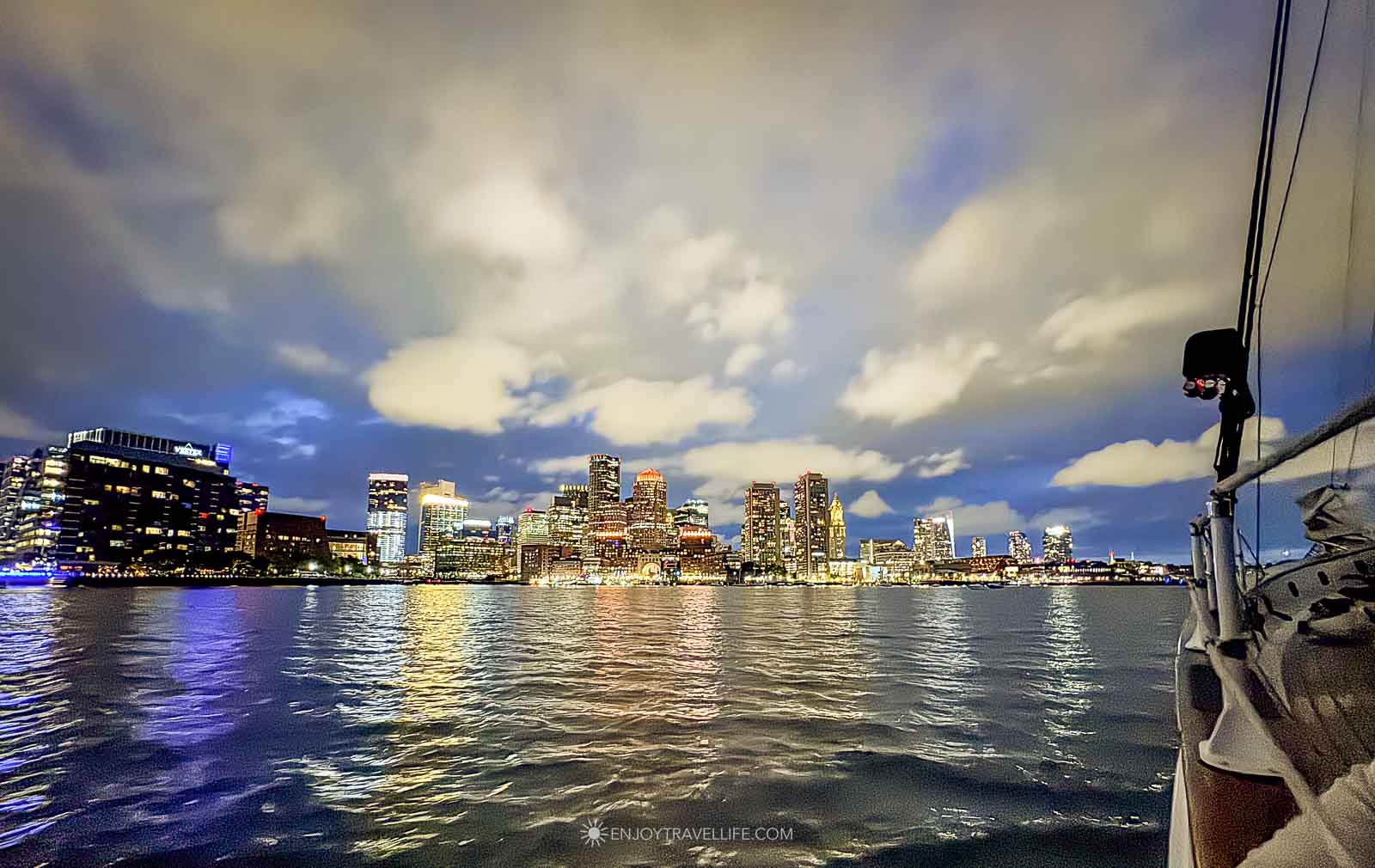
Boston Harbor Sail at Sunset: What You Need to Know Before You Go
Boston looks different from the harbor, especially after dark. Even if you know the city well, a sunset sail gives you a perspective that’s easy to miss from shore.

Salt air, harbor towns, lighthouses, and long walks on the seawall. Find shoreline destinations worth the drive, in New England and beyond.
Boston looks different from the harbor, especially after dark. Even if you know the city well, a sunset sail gives you a perspective that’s easy to miss from shore.

Bailey Island rewards a slow afternoon more than a packed itinerary. The draw is the drive out, a working harbor, and the view where the road simply ends at the sea.
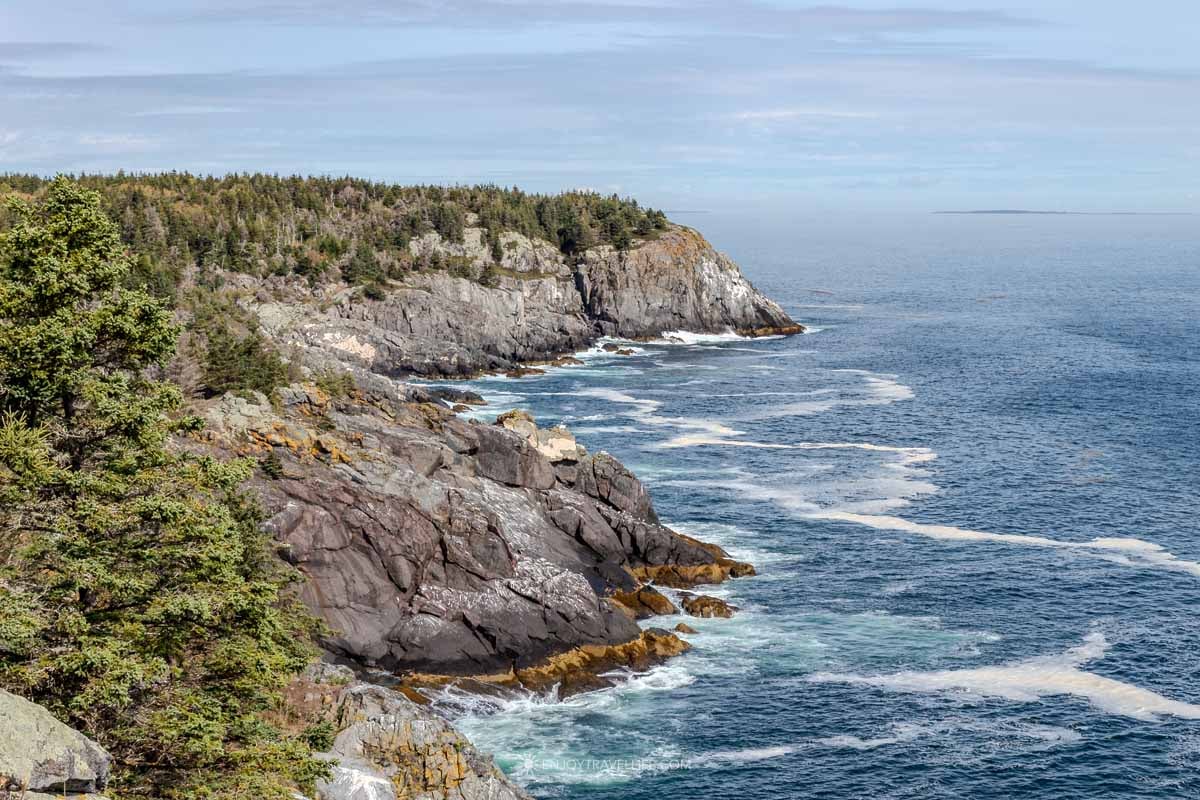
Doing Monhegan in a day works, but the ferry schedule leaves fewer hours on the island than most visitors expect. Deciding what to prioritize before you arrive makes the day far more enjoyable.
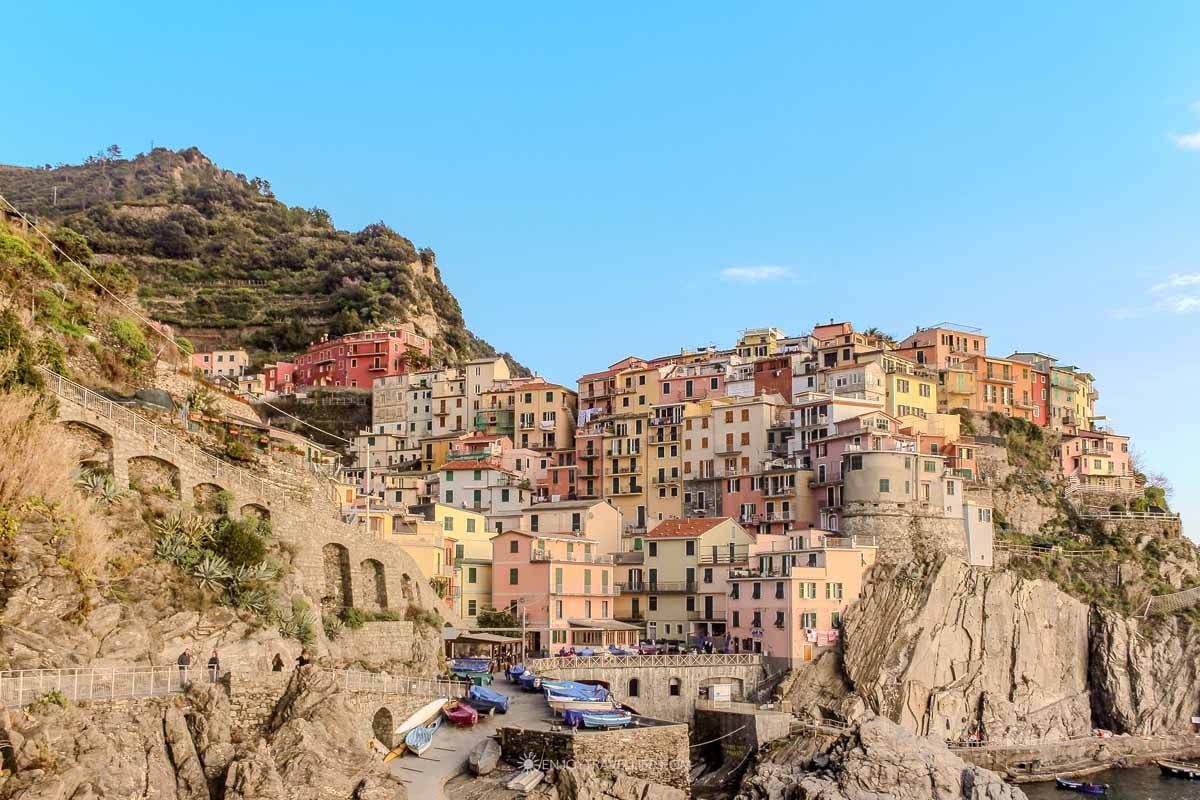
Winter trades the crowds for something quieter: emptier trails, a moodier sea, and villages that feel like they belong to the locals again. A few things close, but what you gain is hard to find in summer.
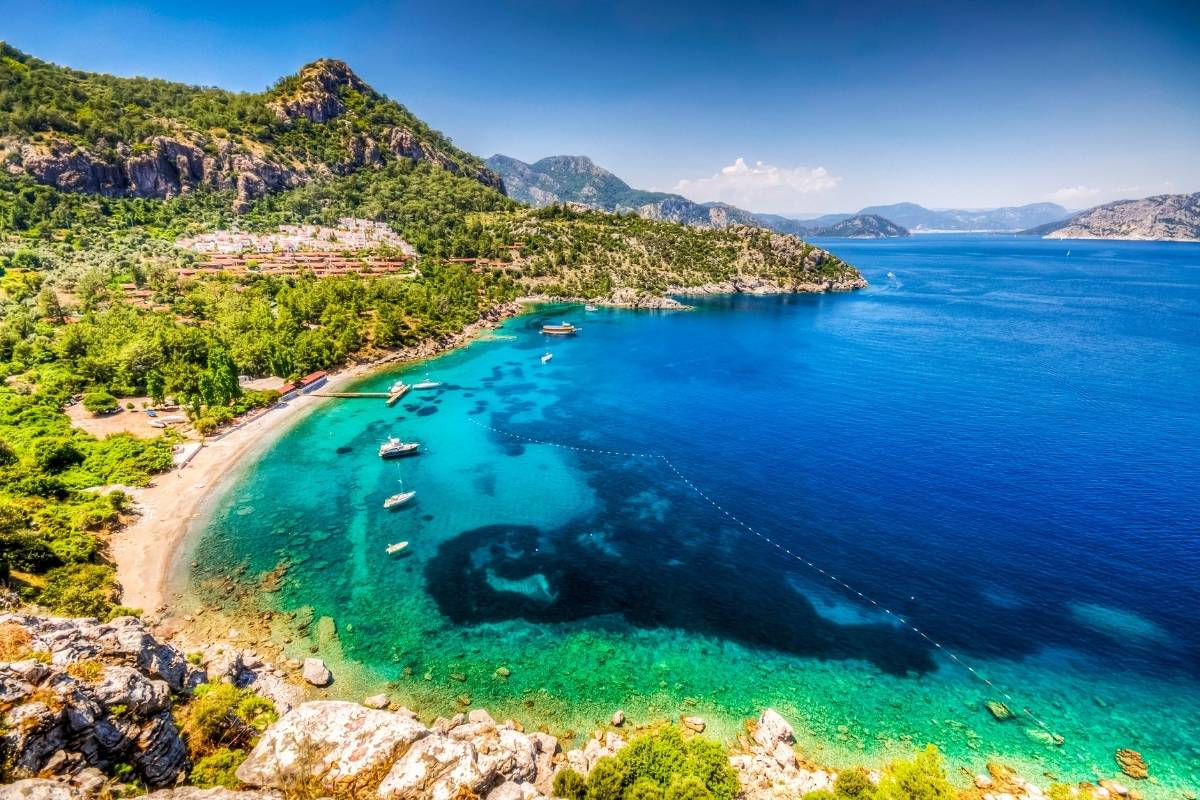
Marmaris wears two faces: a busy marina town with a lively waterfront, and a gateway to the quieter Turquoise Coast beyond it. Getting out on the water changes the experience entirely, opening access to coves, small villages, and historic sites that most visitors never see from shore.

A luxury picnic is less about the food than the occasion: arriving to a styled table on the sand, lingering through sunset, and leaving the setup and cleanup to someone else. It suits the moments worth marking, like a proposal or anniversary, more than an ordinary afternoon.

The East Coast’s biggest casinos have grown into full resorts, where restaurants, entertainment, spas, and hotels are as much a draw as the gaming floor.

El Salvador packs Central America’s volcanoes, coffee highlands, and some of the world’s best surf into a country small enough to cross in a few hours. Long overlooked and now back on the map, it rewards travelers wanting the region’s nature and coast without the crowds that fill Costa Rica.

Baltimore surprises first-timers who only know its rough reputation: a city of tight-knit neighborhoods, world-class museums, and the best crab on the East Coast. The Inner Harbor gets the postcards, but the character lives a few blocks inland in places like Fell’s Point and Hampden.

Australia is the size of a continent, and the common mistake is trying to see too much of it at once. The distances between its icons are measured in flights, not hours, so choosing one region usually makes for a much better trip.

Sydney divides between the harbor everyone photographs and the beach-and-suburb life locals actually live, and the ferry network is the thread between them. A good itinerary uses the water as transport, trading a checklist of landmarks for the city’s habit of living outdoors.

Santa Monica is one of the few corners of Los Angeles you can enjoy without a car: the beach, the pier, the shops, and good food are all within a walkable stretch. A weekend here trades the sprawl and traffic of the wider city for a compact, coastal version of it.

India rewards traveling with friends, if only to split the logistics and share the sensory overload. The bigger favor you can do a first trip is to pick one region rather than chase fifteen cities: the country is too vast, and too much, to sample all at once.

A dragon boat race is as much festival as sport: the drums, the crowds, and the ritual around the water are half the reason to come. For a traveler, the best races double as a window into a place’s traditions, from Hong Kong’s harbor to smaller river towns marking the season.

It’s easy to forget New York is a city of islands, ringed by water most visitors only cross on a bridge. Kayaking the Hudson, a beach on the Rockaways, a ferry down the East River, these recast the city from something you walk through into something on the water.

Tel Aviv offers a different Israel than the pilgrimage sites, a Mediterranean beach city built for long dinners, late nights, and mornings that start at the sea. For couples, the romance is contemporary rather than historic, which makes it a natural counterweight to a few days in Jerusalem.

Wales gets skipped by travelers rushing between England and Scotland, which leaves its castles, coastline, and living Welsh culture pleasantly uncrowded. Given its own few days rather than a drive-through, it stands entirely on its own.

The Chesapeake is less a single destination than a whole coastline of small maritime towns, spread across two states and both shores. What you do depends on which stretch of water you point yourself toward.

The hard part of a coast-to-coast drive is pacing the sheer size of the country. Push too hard and it blurs into gas stations and interstate. Go too slow and you never reach the far ocean. The best trips fix the marquee stops first, then leave room for the odd little places in between.

Diamond Cove is a private island off Portland you can only really see as a hotel guest. That’s the appeal. No cars, no crowds, a former military fort turned quiet retreat a short ferry from the city but a world away from it. You’re paying for the water between you and everything else.

Peru’s plant life changes with the altitude, from the coastal desert to the Andes to the Amazon. Knowing what you’re looking at, and where it grows, makes the experience even more rewarding.

Winter is when the American South is easiest to enjoy: the summer heat and humidity gone, the crowds thinned, and cities like Charleston, Savannah, and New Orleans mild enough to explore all day on foot. It’s the off-season that feels more like the peak.

Baltimore’s best experiences are the unpretentious ones: a ballgame at Camden Yards, crabs by the harbor, the American Visionary Art Museum, or an evening in Fell’s Point. It’s a city that feels most authentic when you embrace its personality rather than chase its landmarks.

The New York area is one of the few corners of America where you can take a real getaway without a car. Trains and buses reach ocean beaches, Hudson Valley river towns, and Catskill trailheads within a couple of hours of the city. For a visitor daunted by driving, or a New Yorker without a car, the region opens up far wider than the five boroughs suggest.

These tiny islands were once the only place on earth nutmeg grew, valuable enough to start wars, and that outsized history still marks them. Getting to Banda Neira is genuinely hard, which is exactly why the reefs and old forts stay so untouched.

Islands, cut off and evolving on their own terms, are among the best places on earth to see animals you’ll find nowhere else. A wildlife-focused island trip trades the beach lounger for early mornings and a good guide, and pays you back in creatures found only there. The isolation that shaped them is exactly why they’re worth the trip.