
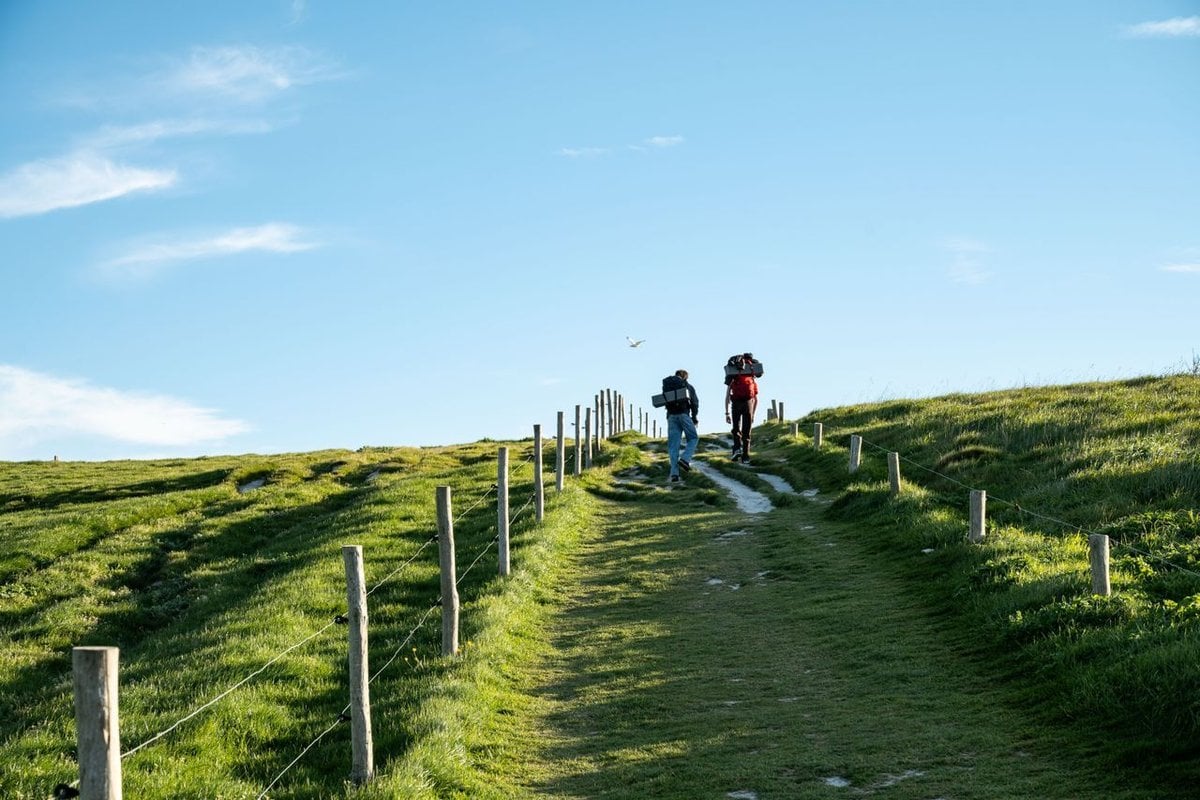
The benefits of walking the Camino de Santiago reach far past sore feet and a stamp in your pilgrim passport. I haven’t walked it yet, but as a lifelong walker I know what days on foot do for a cluttered head, and the Camino takes that further than almost anywhere.
When your days feel like one long scroll of texts, emails, and noise, this old pilgrimage offers something rare: a slow, simple reset for your body and your head. You don’t need to be religious or especially fit to feel it.
To learn more about the benefits of walking the Camino, which route is right for you, and how to plan your own trip, continue reading.
IN THIS ARTICLE
Why Walk the Camino de Santiago?
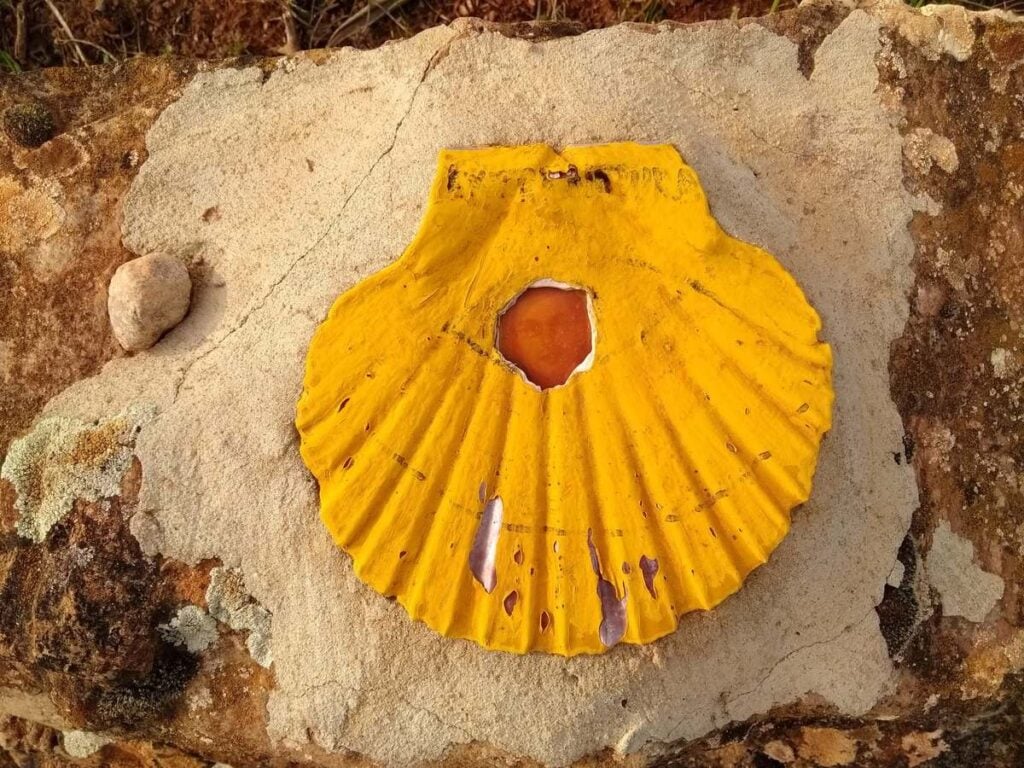
The Camino de Santiago is one of the most well-known pilgrimages in the world, but it is a lot more than a religious walk. It’s a trip worth experiencing at least once in your life, even if you’re not religious. That’s because it hands you a rare way to slow down, reset, and pick up all the quiet benefits that come from walking day after day.
The history of the Camino de Santiago stretches back more than a thousand years. The routes grew up around the shrine in Santiago de Compostela, said to hold the remains of the apostle Saint James.
By the Middle Ages, they were among the most traveled pilgrimage roads in Europe.
Walk them today and you are following the same paths pilgrims have worn smooth since the ninth century.
This ancient network of trails stretches across Europe and draws huge numbers of people each year, from Catholics and non-religious walkers to seasoned athletes and total beginners.
There is a Camino de Santiago route suitable to you, and whether you choose the popular Camino Frances or the coastal Camino Portugués, every route lets your body work the way it should while giving your mind a real break from stress.
You don’t have to plan every step yourself, either.
You can opt for a guided route that hands off the logistics so you can just walk. I’ve experienced several guided walking tours in various countries, and my only job was to follow the path. A guided Camino route gives you the same.
1. Building Better Physical Health
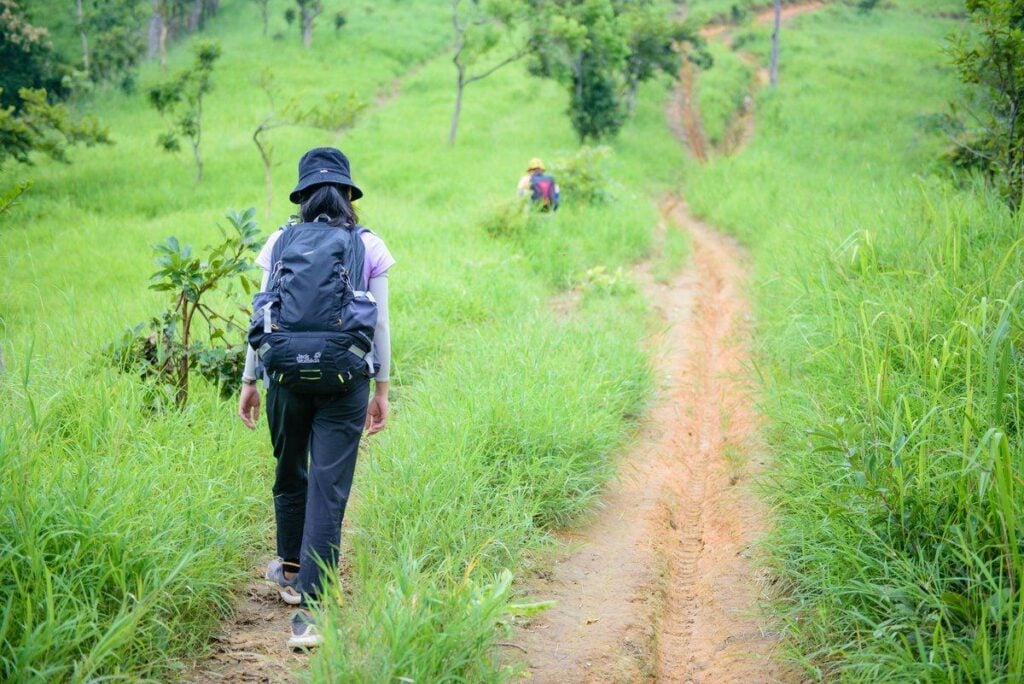
Here’s the part that surprises people: you don’t need to arrive fit.
The Camino builds the fitness for you, one ordinary day at a time, and that steady daily walking turns out to be one of the best things you can do for your body.
On a walking holiday like this, the days feel long, but your body learns to love the steady movement. Most people walk the Camino independently, the way you might tackle a self-guided walking tour, moving from one village to the next and covering 9 to 16 miles (15 to 25 km) a day.
Your legs get stronger, your heart works better, and your lungs open up.
A single day on the Camino builds real stamina, and it does it without heavy weights, a gym membership, or a complicated routine.
All that walking also resets your habits.
After a long stretch of miles, you crave simple, hearty meals. You sleep harder too, tired but satisfied.
Even my short walk after dinner helps me drop off faster at night, and days of steady walking take that to another level.
Break in your shoes at home for at least a few weeks before you fly. Blisters on day two can shape the rest of your trip, and most of them trace back to brand-new boots.
2. Clearing Your Mind and Finding Inner Peace
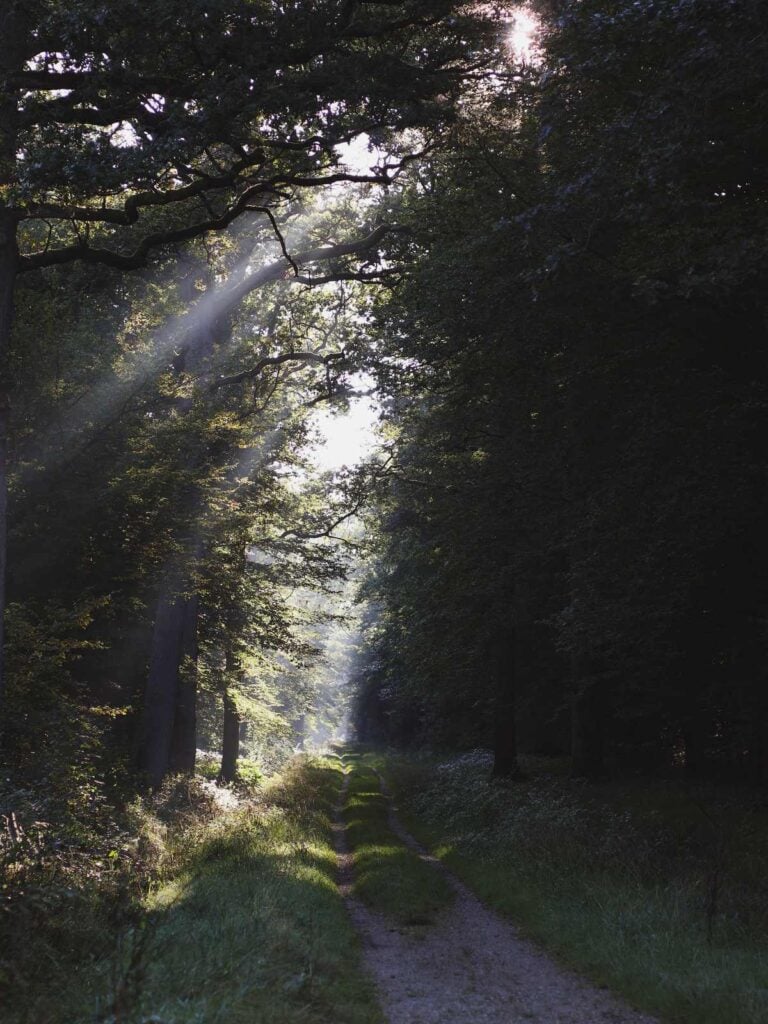
What catches first-timers off guard is how fast it works. Walking helps your body, but within a day or two it does just as much for your mind.
Today’s world moves incredibly fast, and you can easily get lost between texts, emails, headlines, and nonstop noise. On the Camino, most of that pressure simply fades.
Once you are on the trail, your only real decisions are where to eat and how far to walk. That easy pace clears your head almost on its own.
I notice this on my own quiet walks. With nothing in my ears, I tune into birdsong, notice the plants along the path, and breathe in the scent of a grassy field warming in the sun. I almost always have my camera out for a view I would have walked straight past otherwise.
Stretch that over days on the Camino instead of an hour at home, and the effect compounds.
By the first afternoon walking the Camino de Santiago, the worries show up less often.
Your attention shifts to the path, the landscape, and small details like the smell of eucalyptus or a change in the breeze.
There’s a reason for it: many walkers find the steady rhythm of putting one foot after another settles the mind and takes the edge off the day’s anxiety.
Leave the headphones in your pack for the first hour each morning. The quiet is where the head-clearing actually happens, and the playlists can wait for the afternoon miles.
3. Building Deep Connections Along the Way
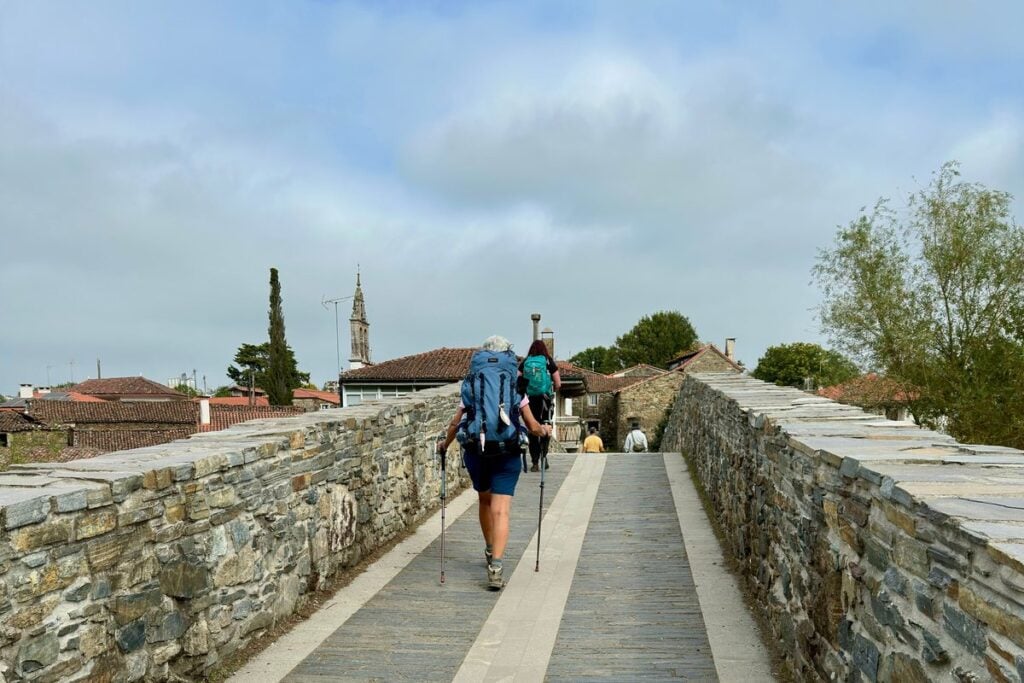
Here’s the twist: the people who set out to walk alone often come home with the closest friendships.
Even if you crave solitude, stay open to the way the Camino pulls people together. Whether you walk the Camino Francés or the Camino Inglés, these routes mix travelers from all over the world.
Everyone is headed to the same place, Santiago, so conversation comes easily and friendships form fast.
There is a particular kind of talk that only seems to happen shoulder to shoulder on a walk. Some of the best conversations I have had came on a path rather than across a table, the steady movement loosening things up until whatever has been weighing on you finally comes out.
The Camino hands you days of that, with old friends or people you only just met.
On the path, you might share snacks, trade blister advice, and celebrate the small wins together. A simple “Buen Camino” is often all it takes to start something.
Carry a few small things to give away, like safety pins, blister plasters, or a spare phone charger. Generosity travels fast on the Camino, and it usually finds its way back to you.
How to Start Walking the Camino de Santiago
Ready to get started? Walking the Camino de Santiago takes a bit of planning, but less than you’d think.
To simplify things, you can opt for a guided tour, but these steps will inform your decision. Here are six steps that take you from idea to your first day on the trail.
1. Decide Which Camino Route Is Right for You
The first step to walking the Camino de Santiago is to choose a route. The routes are a UNESCO World Heritage Site and each one has its own length, character, and crowd. You’ll want to consider these factors, along with your ambitions and ability, to pick the route that’s best for you.
Here is how the main Camino de Santiago routes compare:
| Route | Distance | Typical time | Difficulty | Best for |
|---|---|---|---|---|
| Camino Francés | 500 mi (800 km) | 4-5 weeks | Moderate | First-timers who want the full route and the most services |
| Camino Portugués | 160 mi (260 km) from Porto | 2-4 weeks | Easy to moderate | Gentler walking, with coastal or inland options |
| Camino del Norte | 500 mi (805 km) | 5+ weeks | Hard | Atlantic coast scenery and smaller crowds |
| Camino Primitivo | 140 mi (225 km) | About 2 weeks | Hard | Mountain scenery and history, for fit hikers |
| Camino Inglés | 75 mi (120 km) | About 1 week | Easy to moderate | A shorter walk that still earns the Compostela |
If you like to plan on paper, a detailed Camino guidebook breaks each route into daily stages, with maps and albergue lists you can trust.
2. Choose Your Starting Point
Once you pick a route, next pick a starting point.
To earn the Compostela, the certificate handed out in Santiago, you need to walk at least the final 62 miles (100 km) into the city, which is why so many first-timers begin in Sarria on the Camino Francés, about 70 miles (111 km) out.
3. Get Your Paperwork in Order
Pick up a credencial, the pilgrim passport, before you set off.
You’ll collect a stamp or two each day from albergues, cafés, and churches along the way. Those stamps are what prove your journey at the Pilgrim’s Office in Santiago. Aim for two a day over the final stretch.
It’s also worth sorting travel insurance that covers long-distance walking before you go.
We receive a fee when you get a quote from World Nomads using this link. We do not represent World Nomads. This is not a recommendation to buy travel insurance.
4. Rough in Your Stays
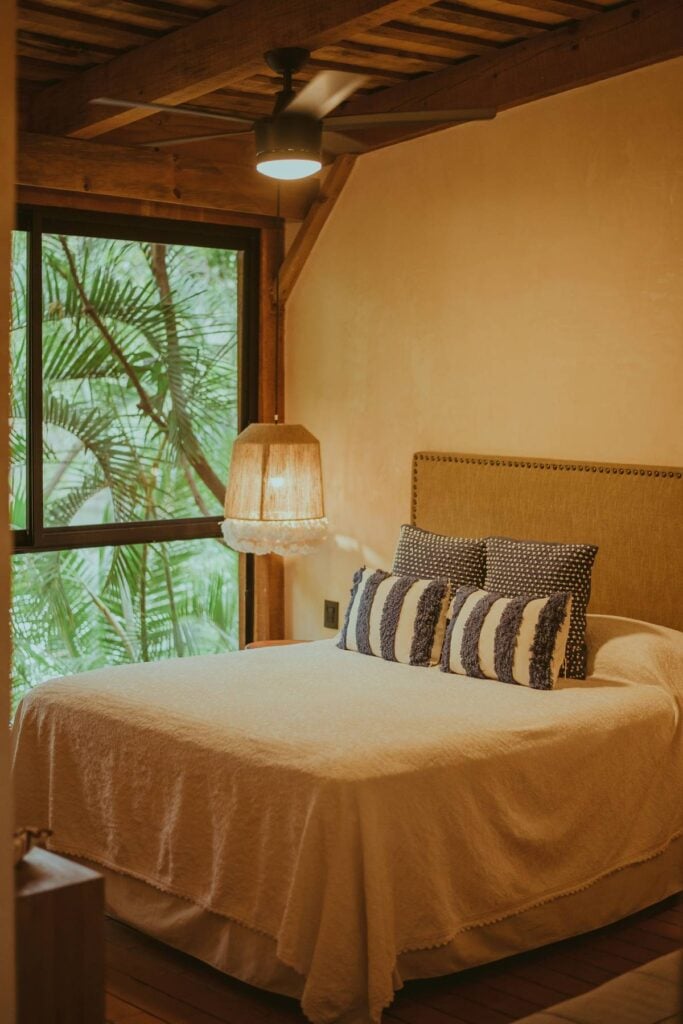
For sleeping arrangements, you can stay in albergues, the simple pilgrim hostels that run the length of the route. Or, you can book private guesthouses and small hotels when you want a real bed and a door that closes. In the busy summer months, it’s smart to reserve ahead.
Where to Stay in Santiago de Compostela
5. Budget & Timing
On budget, a night in an albergue plus a pilgrim menu dinner runs roughly $33 to $50 (€30 to €45) a day, so plan on more if you prefer private rooms.
For weather and company, spring and early fall hit the sweet spot. Summer brings heat and crowds, and parts of the higher routes quiet down or close in winter.
6. What to Pack and How to Prep
You don’t need much, but a few things make or break the walk:
- Broken-in shoes or trail runners, never anything new out of the box.
- A sock system that heads off blisters: a thin liner under a cushioned wool sock.
- A backpack no heavier than 10 percent of your body weight, fully loaded.
- Lightweight layers and a packable rain shell, since the weather shifts fast.
- A blister kit, a refillable water bottle, and a quick-dry towel.
- A pair of collapsible trekking poles to ease the long descents and save your knees.
- A few training walks at home in your loaded pack before you fly.
For a full gear rundown, the American Pilgrims on the Camino packing list is the one most walkers swear by.
Final Thoughts
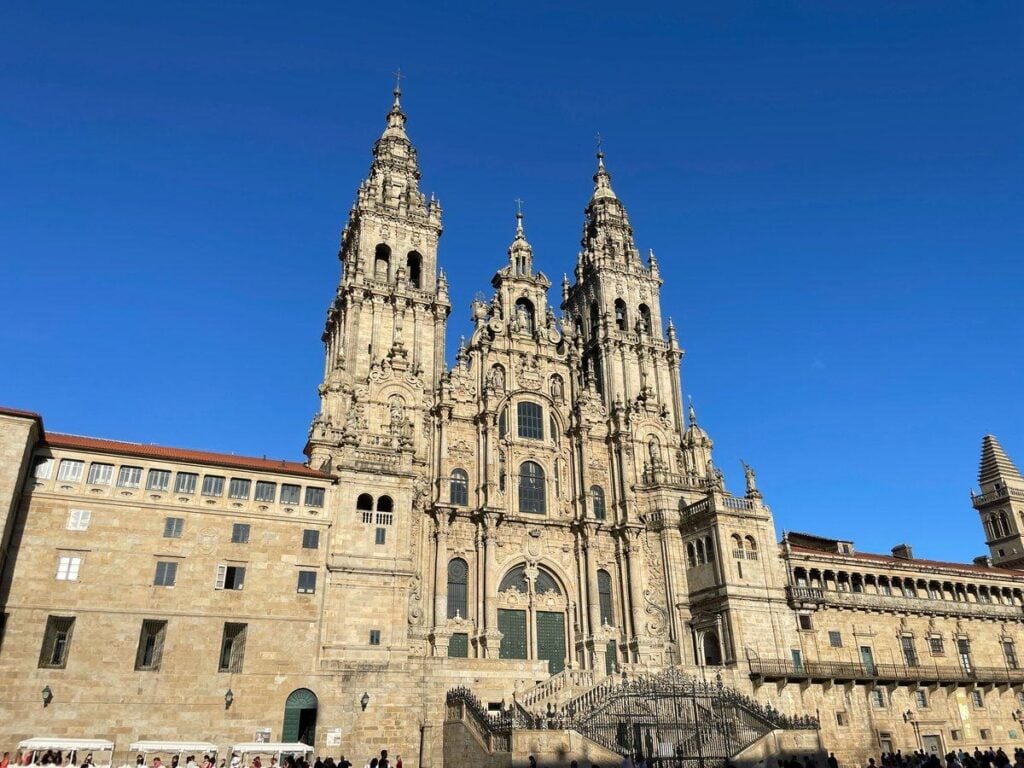
From my own walks and from what pilgrims consistently say, the Camino is one of the best ways to reconnect with yourself, with nature, and with a pilgrimage that still carries deep spiritual weight.
But the true benefit is not the certificate at the end. It is the new confidence you pick up, the simple habits that stick long after you fly home, and the better physical and mental health you earn one step at a time.
The real magic lives in the ordinary moments: the evening walks into a quiet town, the easy meals, the long breaks from your phone, and the people you meet along the way.
Walk the Camino once and it leaves you stronger, calmer, and ready for whatever comes next.
Frequently Asked Questions
How long does it take to walk the Camino de Santiago?
It depends on the route. The full Camino Francés runs about 500 miles (800 km) and takes most walkers four to five weeks, while the final 62 miles (100 km) into Santiago can be done in roughly a week.
Do you have to be religious to walk the Camino?
No. The Camino began as a Catholic pilgrimage, but today it welcomes walkers of every belief and background, including plenty of people who come purely for the challenge, the reset, or the time outdoors.
How many miles do you walk each day on the Camino?
Most people cover 9 to 16 miles (15 to 25 km) a day, adjusting the distance to their fitness, the terrain, and how their feet are holding up.
Which Camino route is best for beginners?
The Camino Francés is the most popular and best supported, with frequent towns, hostels, and fellow walkers, which makes it a reassuring first pilgrimage. The Camino Portugués is another gentle option.

Next Steps
For more walking and outdoor adventure ideas, read these next: