
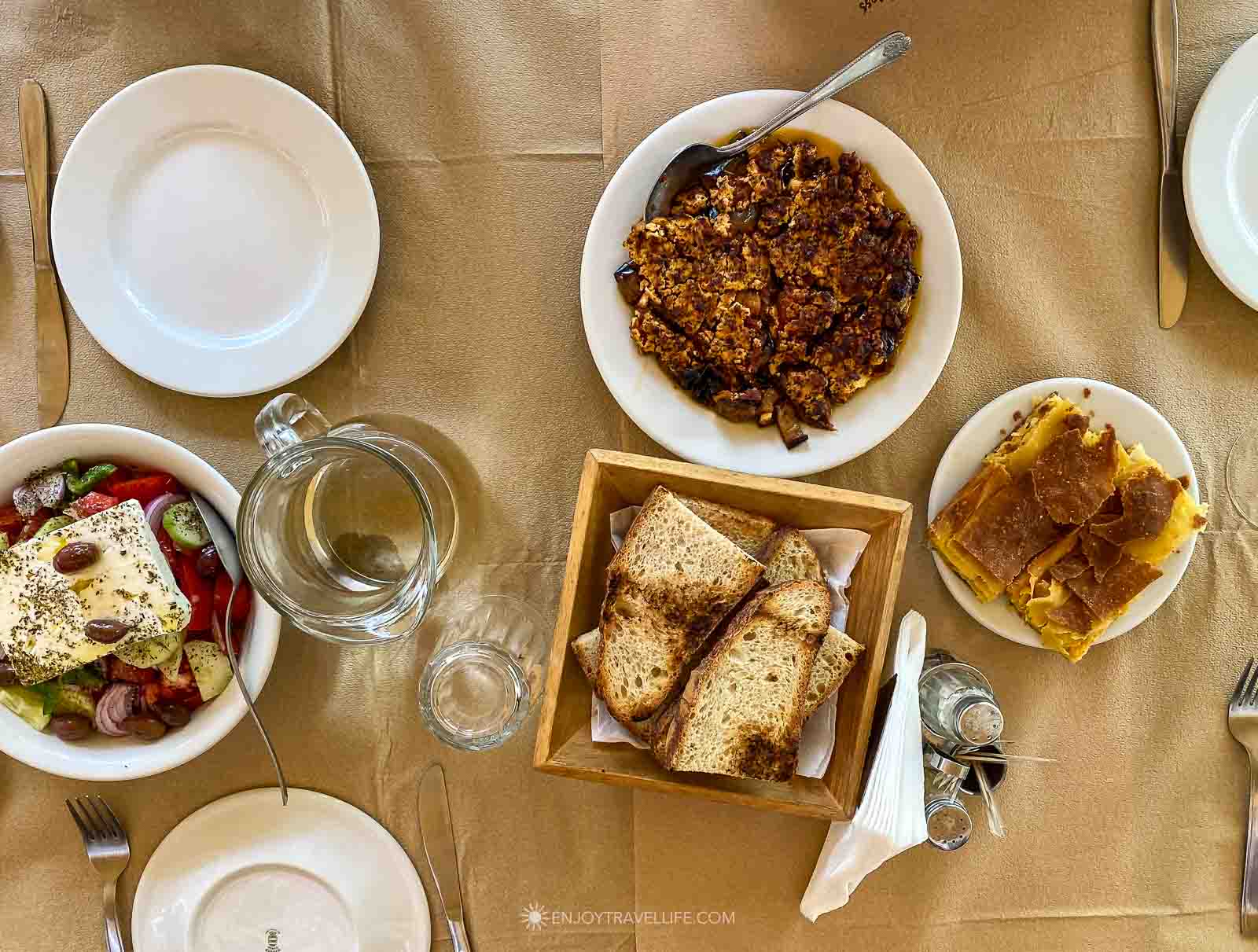
The authentic food experiences you remember from a trip are rarely the ones on a “best restaurants” list. More often, it’s a market breakfast you ordered by pointing at what the locals had, or a family-run place down a side street that never made it onto a review site.
Finding those places takes a little digging, and the small businesses behind them need help staying visible long after your meal is over.
Keep reading to discover how to find memorable local food experiences and support the people behind them.
IN THIS ARTICLE
Look Beyond the Most Popular Restaurants
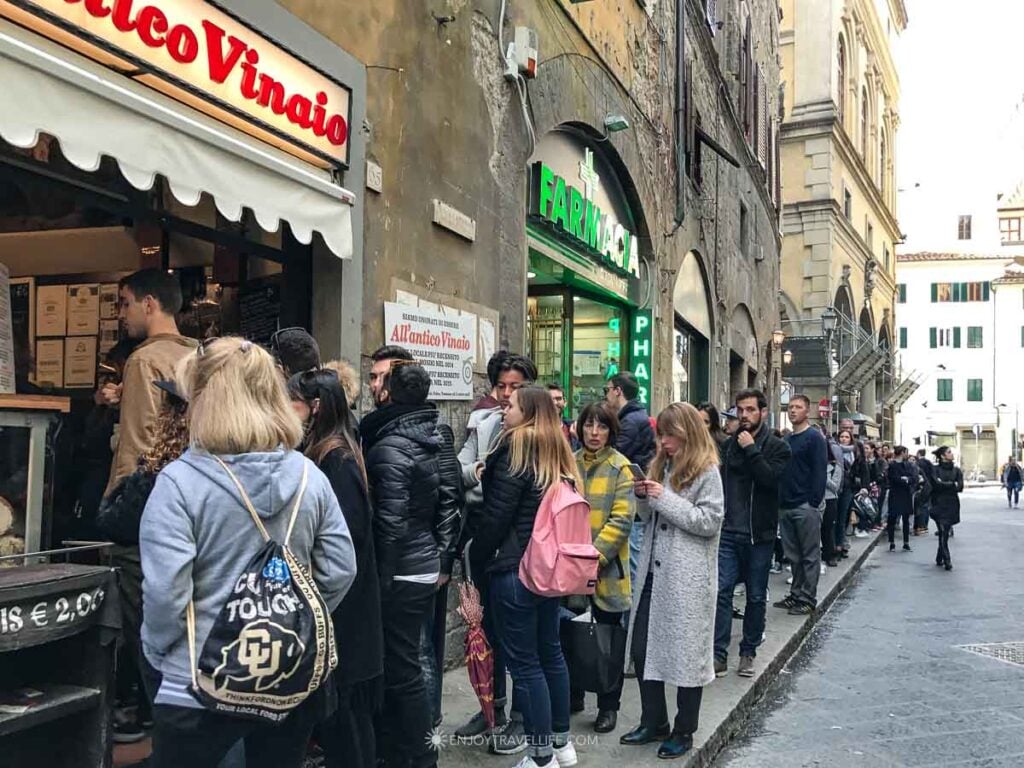
There’s nothing wrong with checking Google or Tripadvisor when you’re planning a trip. The trouble is that popular searches tend to surface the same handful of restaurants every time. Some neighborhood favorites barely register online.
So don’t make those first results your only source. Check the local tourism office to see what’s happening during your visit. Once you arrive, ask the front desk at your hotel where the staff actually eat rather than where they send guests.
You can also wander a little once you’re there. A busy bakery, café, or restaurant a few streets away from the main tourist area may be worth a closer look, especially if it’s filled with locals.
When you do rely on online recommendations, look for details you can actually use. What did they order? What did it cost? “Amazing” tells you nothing.
Visit a Local Food Market
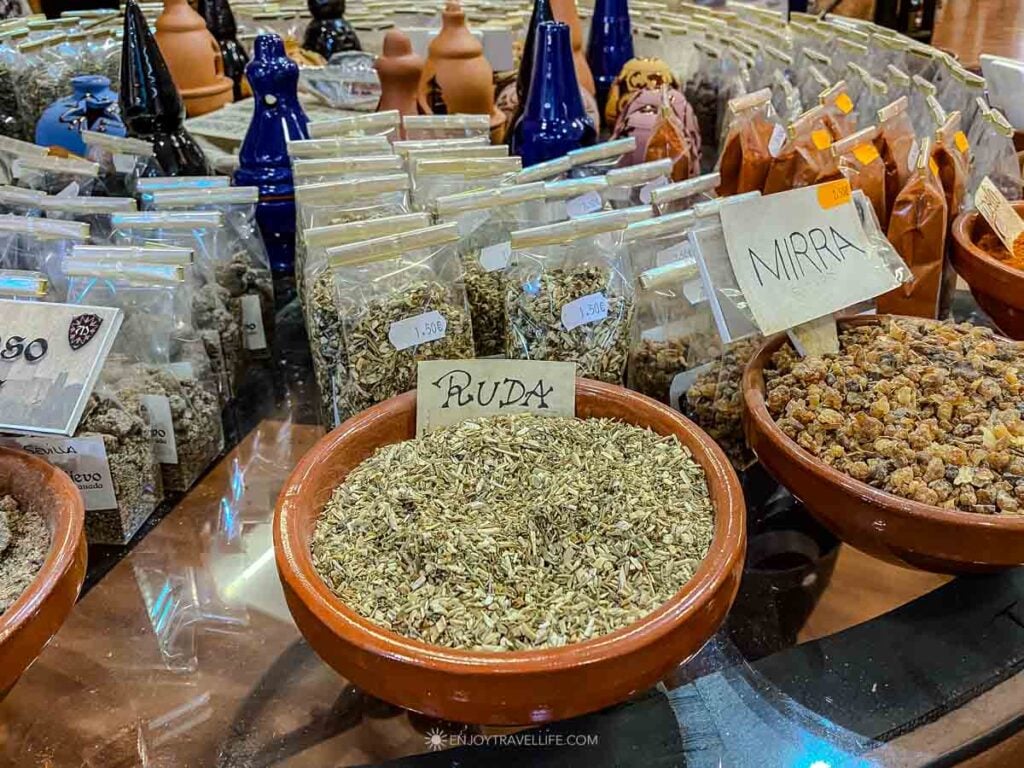
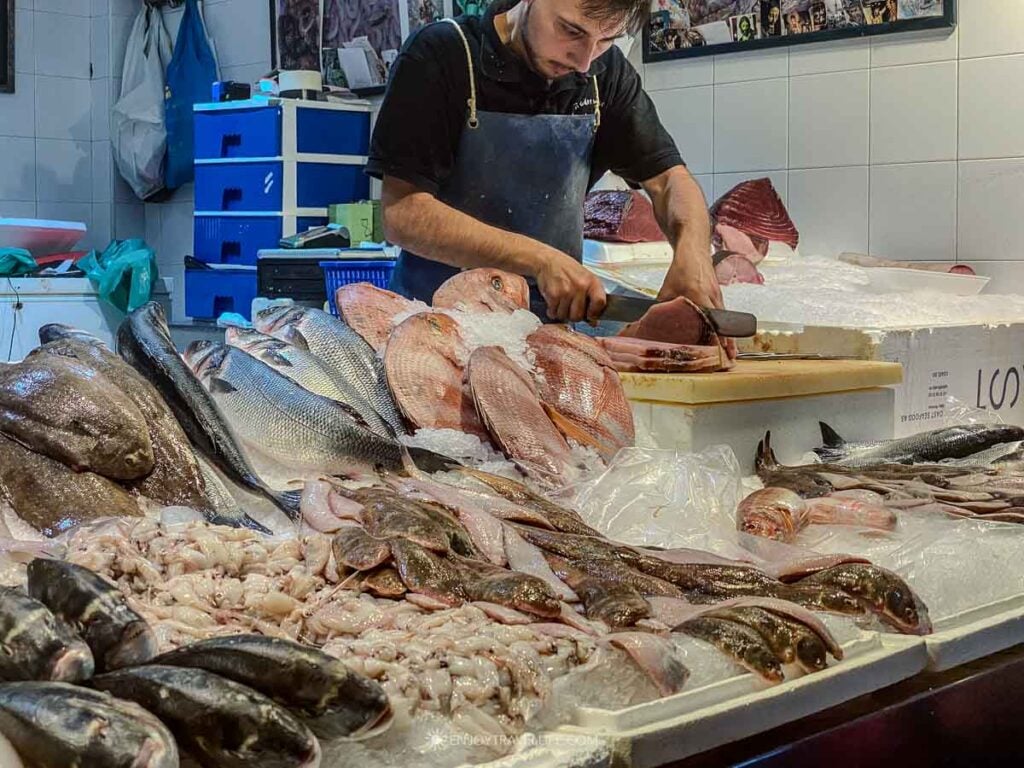
Hand-lettered labels mark the dried herbs and spices at a market stall in Granada. A fishmonger cuts to order at the Mercado de Triana in Seville.
A local food market is the fastest way to get a feel for a place. You’ll see what’s in season and what people are buying, including ingredients you’d never find at home. The Mercado de Triana in Seville taught me more about Andalusian cooking in twenty minutes than any restaurant menu did.
Take the time to walk the whole market before you buy anything. That gives you time to compare prices and see where the regulars are shopping.
If you don’t recognize something, just ask the vendor what it is and how it’s cooked. Most are glad to explain, and you may end up trying something you’d never have picked on your own.
Go early if you want to see the market at full tilt, with the best produce still on the tables and locals doing their real shopping. Go later in the morning if you’d rather browse at a slower pace and talk with vendors who finally have a minute.
A few practical things help when you’re visiting a local food market. Bring some cash, since smaller vendors may not take cards, and tuck a reusable bag into your day bag. If you’re buying fresh food, make sure you have somewhere safe to keep it until you eat it.
If you have food allergies or dietary restrictions, you’ll need to do a little more planning. Learn a few clear phrases in the local language before you go, and keep your questions simple and specific when you’re confirming ingredients. A translation app helps, but a long typed explanation tends to get a polite nod instead of a real answer.
Choose Food Experiences That Tell You Something About the Place
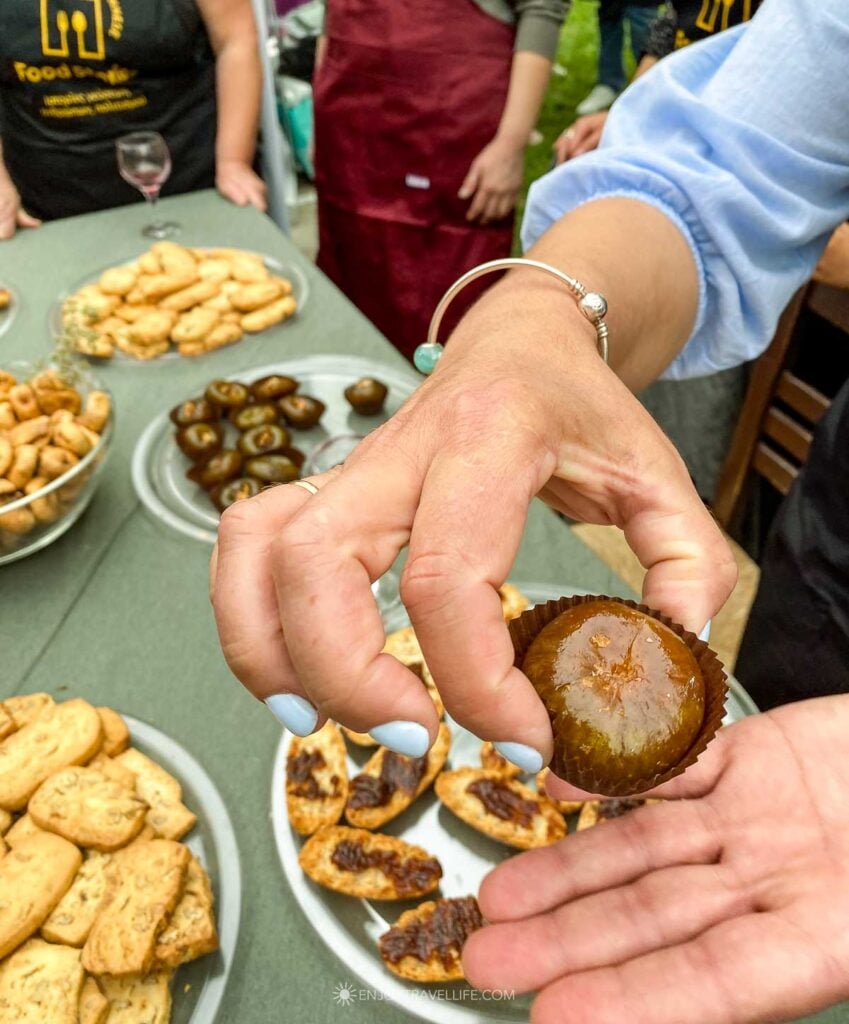
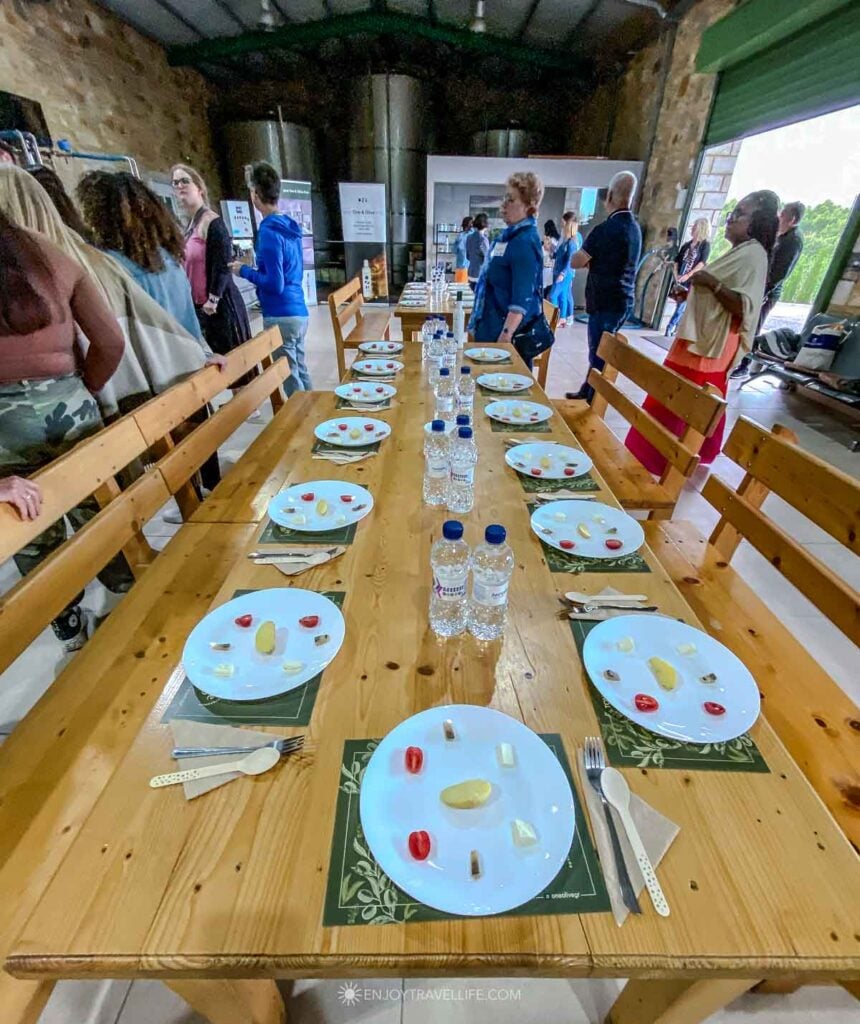
A vendor at the Kalamata market offers a candied fig as a sample. The tasting table is set at Olive Ergo in Trikorfo, in the olive country outside Kalamata.
Food tours and cooking classes are fun, but the best ones do more than feed you. They help explain the local culture.
Look for hosts who introduce you to local producers and explain where the food comes from. There should also be time for questions instead of rushing you from one tasting to the next.
On a food tour in Athens, the stops I remember best were the ones where the guide stepped back and let the shop owner do the talking.
Smaller groups make that easier. You’ll get more time with the guide or chef as well as an opportunity to talk with the other people at the table.
Before you book, read the description closely. Check how much walking is involved and how you’ll get between stops. You’ll also want to know what’s included in the price.
Be a Respectful Guest
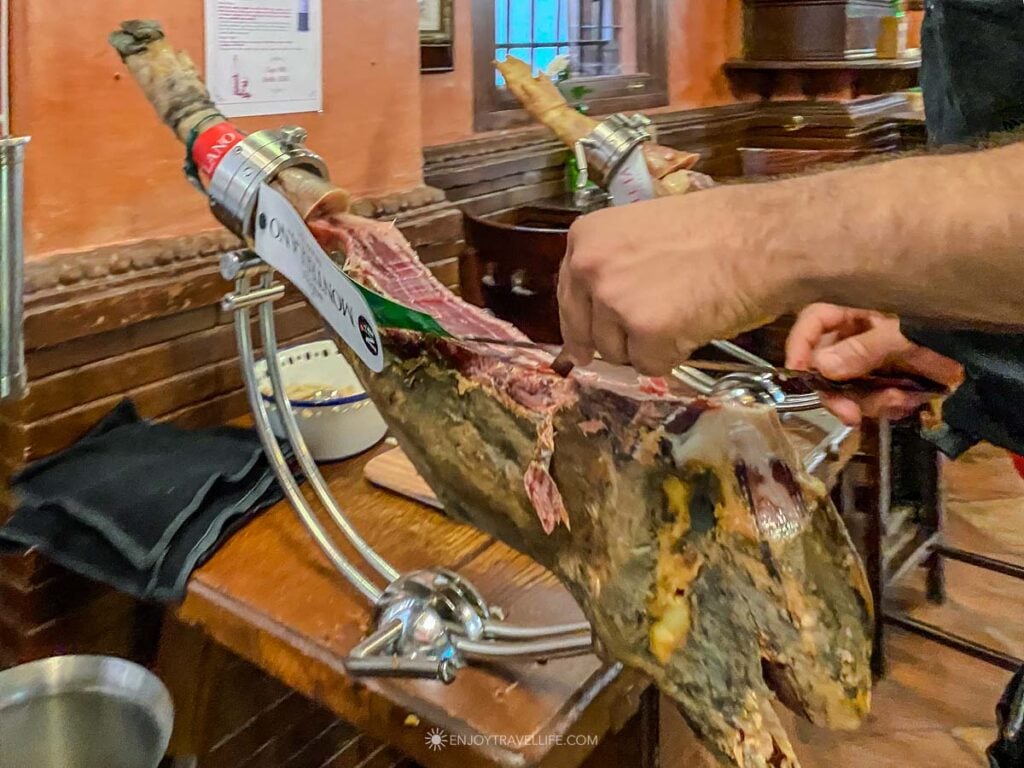
The places you’re visiting weren’t built for travelers. They’re businesses and neighborhoods where people live and work, so treat them that way.
For instance, at a busy family-run restaurant, service may move at a different pace than you’re used to. Be patient. Ask before you photograph employees, vendors, or other customers, and if someone would rather not be in the picture, leave it at that.
Where you can, choose businesses that hire locally and buy from nearby farms and producers. Spending your money with independent businesses keeps more of it in the community you’re visiting.
Share the Places You Want Other Travelers to Find
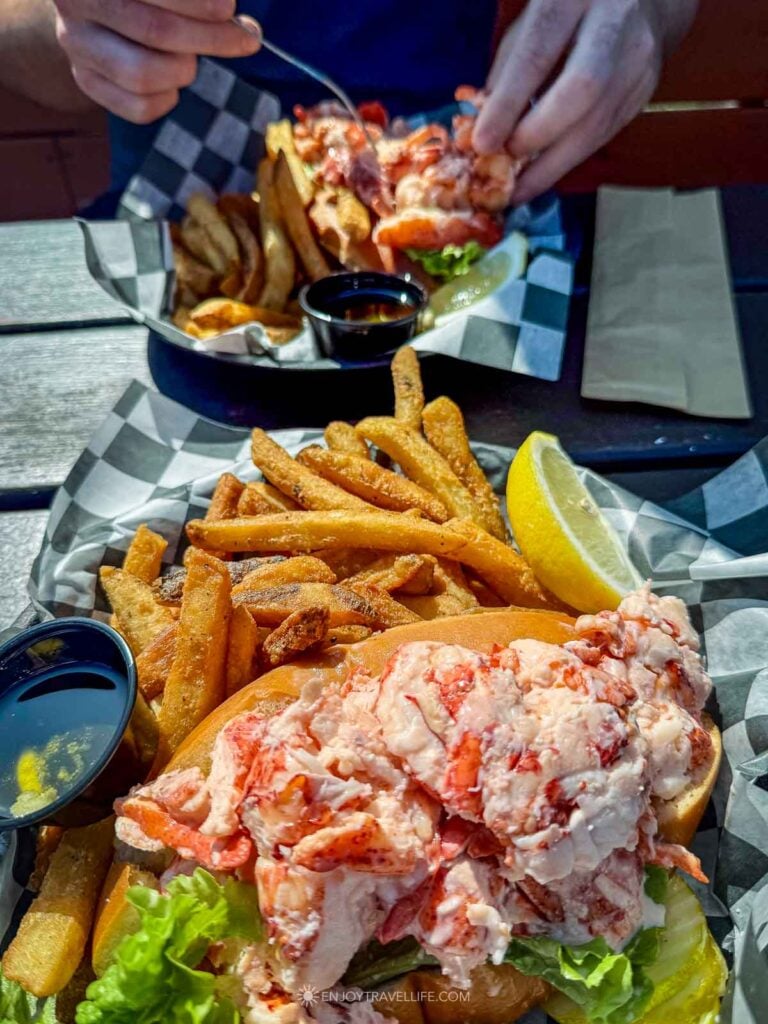
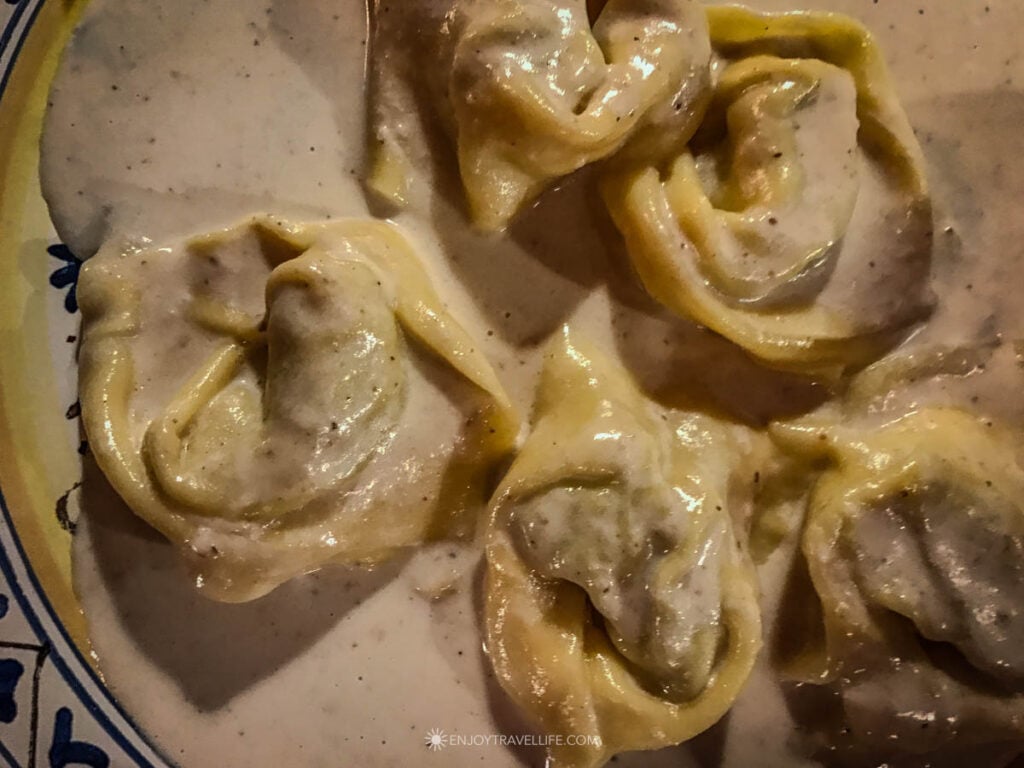
This monster-sized lobster roll is served in Onset, Massachusetts, where the locals eat. A tiny trattoria in Florence’s Oltrarno, well away from the tourist crowds, serves tortelloni in walnut cream sauce.
When you find a place you love, you can help the next traveler find it. Leave a review with information that helps someone make a decision. Tell people what you ordered and roughly what it cost. Add anything you’d want to know before going yourself, like the best time to visit or if you needed a reservation.
If something has changed since your visit, update what you wrote when you can. A corrected review is worth more than a stale one.
Those recommendations matter, especially for small businesses that don’t have much visibility online. Mentions from local publications, tourism sites, and other trusted sources can help more people discover them, too. These editorial link-building ideas explain more about how those online mentions can help small businesses get noticed.
Even a simple mention can make a difference for a business that doesn’t get much attention online.
Help Small Food Businesses Get Found
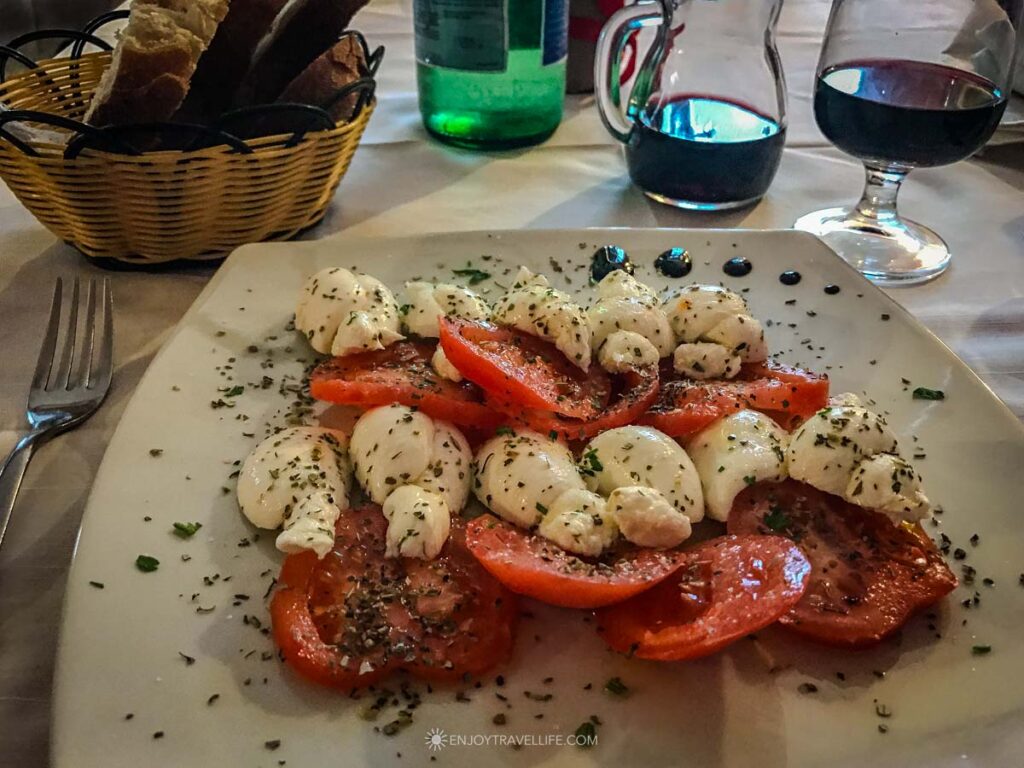
Some of the best places you’ll find while traveling have the smallest online footprint.
You might stumble across a family bakery with a website that hasn’t been updated in years or a tiny restaurant that posts on social media twice a season, if at all. Some market vendors still rely almost entirely on word of mouth.
None of that makes them less worth finding.
If you enjoyed your visit, follow the business online and tag them when you share photos. Leave a useful review. Name them when a friend asks where to eat. Those small actions can add up for an independent business.
It’s also worth remembering that the people running these places may not have much time to spend online. The person making your breakfast could also be the person updating the website, answering messages, and trying to keep the business visible on social media.
Some eventually bring in outside help. A paid test for social media manager candidates is one way a small business can see how someone handles the work before hiring them. Osdire’s practical hiring guide explains more about that process.
When you find a small food business you want to see succeed, spending your money there and telling someone else about it can go a long way.
Final Thoughts on Authentic Food Experiences
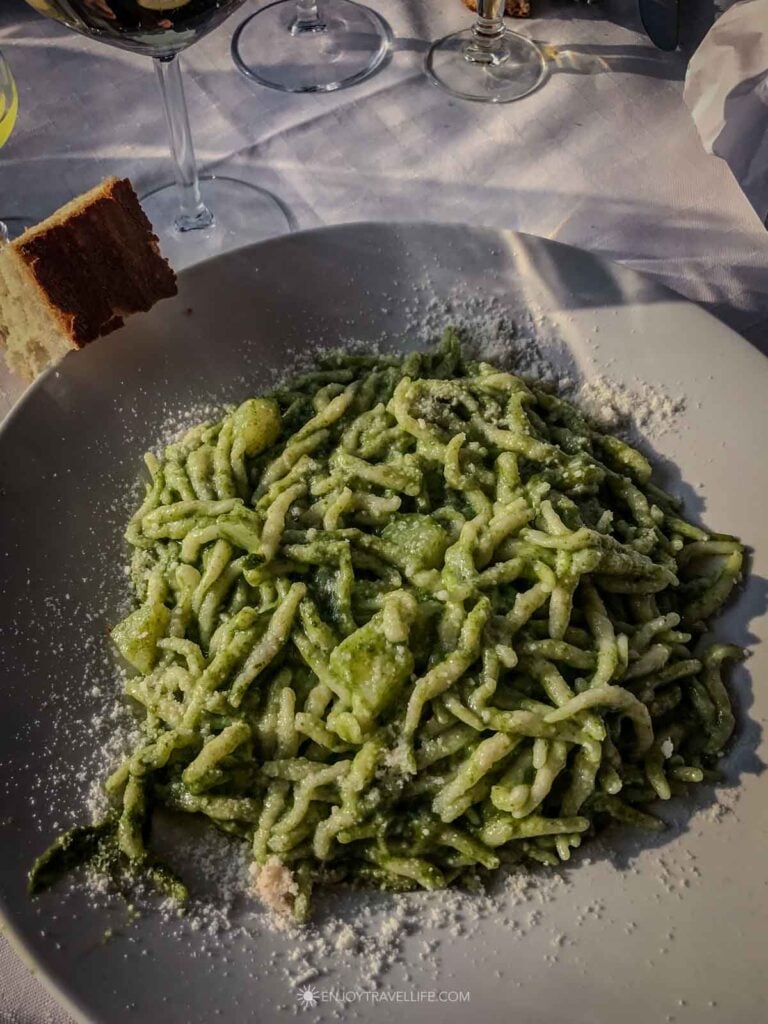
Eating locally is one of my favorite ways to get to know a destination. You learn what grows there. You come across traditions you won’t find at home. Sometimes a market stall or a six-table restaurant becomes the memory that outlasts the rest of the trip.
Your part in it doesn’t end with the meal. Spending locally matters, and so does how you treat the people you meet. When you find somewhere worth knowing about, help the next traveler find it.
If you have a food allergy, FARE’s travel guidance covers how to communicate it abroad and what to carry. The CDC’s food and drink page for travelers is also a good reference for water, ice, and fresh produce in places where you need to take extra care.
FAQs
How do you find authentic food experiences when you travel?
You find authentic food experiences by looking past the first page of search results. Check the local tourism office to see what’s happening during your visit, and ask hotel staff where they actually eat. When you’re reading reviews, look for specific details that will help you plan your own visit.
Are food tours worth the money?
A good food tour should teach you something about the destination, not just feed you. Smaller groups usually give you more time with your guide and the local producers you meet along the way. Before booking, check what’s included so you know what you’re paying for.
Is it safe to eat at local food markets when traveling?
You can generally eat safely at local food markets if you use the same common sense you would anywhere else. Choose busy stalls and look for food that’s cooked and served hot. If you buy something fresh to eat later, make sure you can store it safely. Travelers with food allergies should also learn a few useful phrases in the local language before visiting a market.
How can travelers support local food businesses?
Travelers support local food businesses by spending their money with independent restaurants, markets, and producers. After a good experience, a useful review or a recommendation to a friend keeps that support going. Sharing current, accurate information can help another traveler find a place they might otherwise miss.

Next Steps
For more on eating well when you travel, read these articles next:
- Best Athens Food Tour: Must-Try Greek Food & Culture
- 5 Culinary Travel Secrets: How to Eat Your Way Around the World
- Indulge In Culinary Vacations: Uncover Authentic Cuisine On Food Tours
- Rome for Foodies: What Are the 25 Best Food Experiences in Rome, Italy?
- Best Vacations for Foodies in the US: Visit These 8 Tasty States!