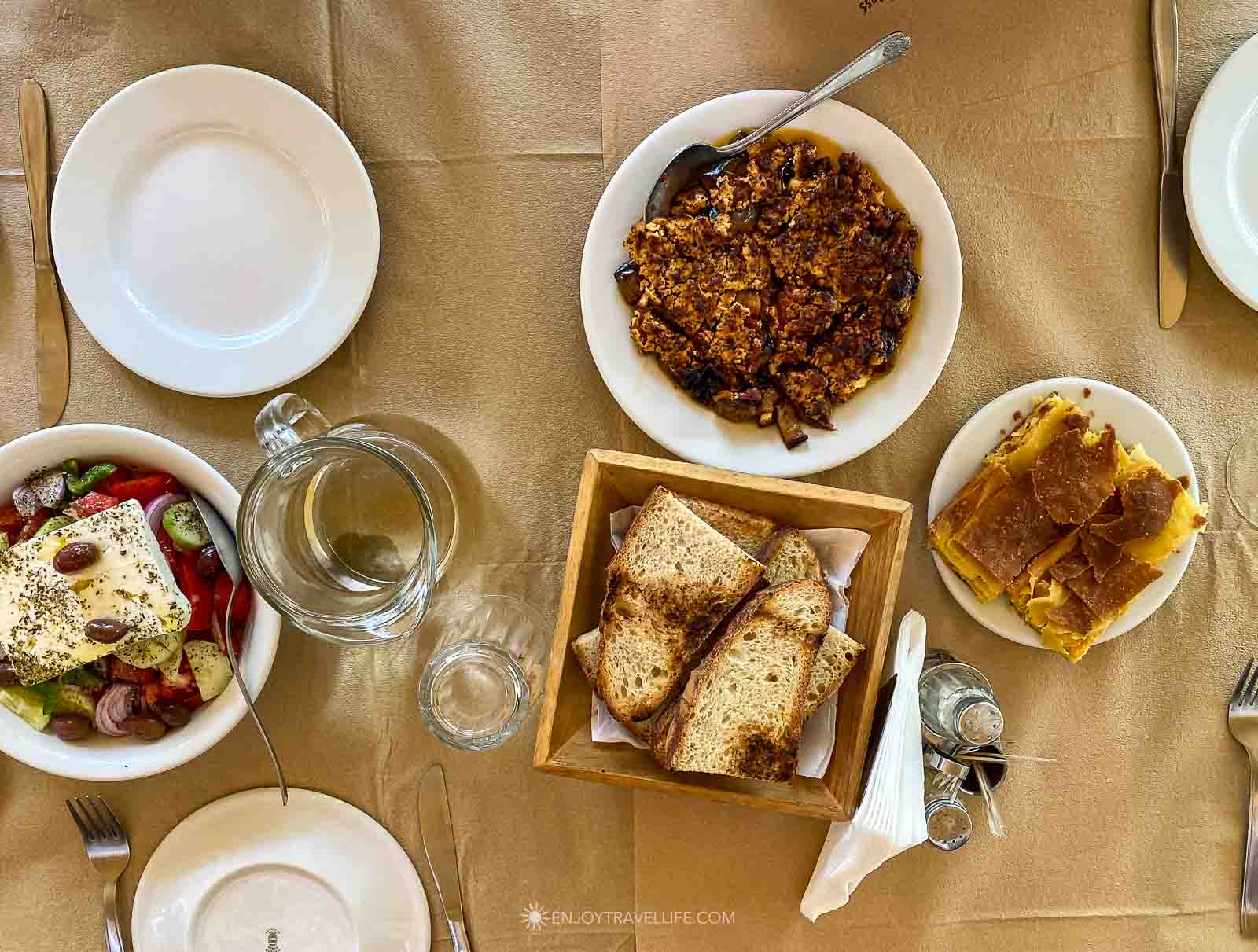
How to Find Authentic Food Experiences When You Travel
The authentic food experiences you remember from a trip are rarely the ones on a “best restaurants” list. More often,…

Culinary experiences, food culture, and food-related travel. Restaurant reviews, wine tasting, food tours, regional cuisine guides, and culinary travel planning.
The authentic food experiences you remember from a trip are rarely the ones on a “best restaurants” list. More often,…

Ordering Maine lobster online brings a taste of the coast to a landlocked kitchen, but it rewards a little know-how: whether to order live or cooked, how overnight shipping works, and how to handle a live lobster once the box arrives.

Every culture has its comfort food, the dish that means home and childhood, and they rarely resemble each other on the plate. Tasting a place’s version is a quick way into it, since what a people reach for when they need soothing says as much as any landmark.

European beer is deeply regional: a Trappist ale in Belgium, a pilsner in the Czech town that invented it, a Bavarian hall built for the stuff. A beer tour works best as a way to taste each place through its glass, where the tradition and the brew belong together.

America’s best food isn’t limited to a handful of famous cities. Some of the country’s strongest food traditions belong to entire regions, making it easy to build a trip around local specialties instead of a single destination.

A good smoothie is harder to find than it should be. Fresh ingredients and balanced flavors matter far more than oversized portions or added sugar.

A feel-good recipe earns the name by being both comforting and impossible to mess up. The best ones give a beginner the satisfaction of something that tastes like real effort, without the skill a restaurant version demands. Keep a handful of these in reach, and cooking becomes the reward at the end of a hard day rather than another chore on it.

The vegan food that wins over skeptics rarely tries to imitate meat; it leans into what vegetables, grains, and spices already do brilliantly. A rich curry, a proper roasted-vegetable dish, a good bowl of dal convinces on flavor alone, especially when no one announces it’s vegan. Cook for taste first, drop the label, and the plant-based meal stops being a sacrifice and starts being dinner.

Nearly all tea comes from one plant, yet every culture has made it its own: the quiet ceremony of Japanese matcha, the spiced sweetness of Indian chai, the mint and sugar of a Moroccan pour. The best cup is inseparable from the ritual a place has built around it.

Coffee is a quiet map of the places that drink it, from a Viennese cafe to a Turkish grind to an espresso taken standing at an Italian bar. Learning the world’s coffees is a low-cost way to travel through taste, and to order like a local once you get there. The cup tells you something about the culture around it.

New England isn’t the first place that comes to mind for wine, and that’s precisely its charm. The region’s vineyards trade California’s polish for a low-key, personal kind of tasting, often with the winemaker pouring. Come without the Napa expectations, and the surprise of good wine in unexpected country is half the pleasure.

Some desserts have become inseparable from the places that created them. Trying them where they’re still made is as much about local tradition as satisfying a sweet tooth.

A country’s candy says more than it looks like it should, shaped by what grows there and who passed through over the centuries. It also happens to be the easiest souvenir to bring home, and the first to disappear.