
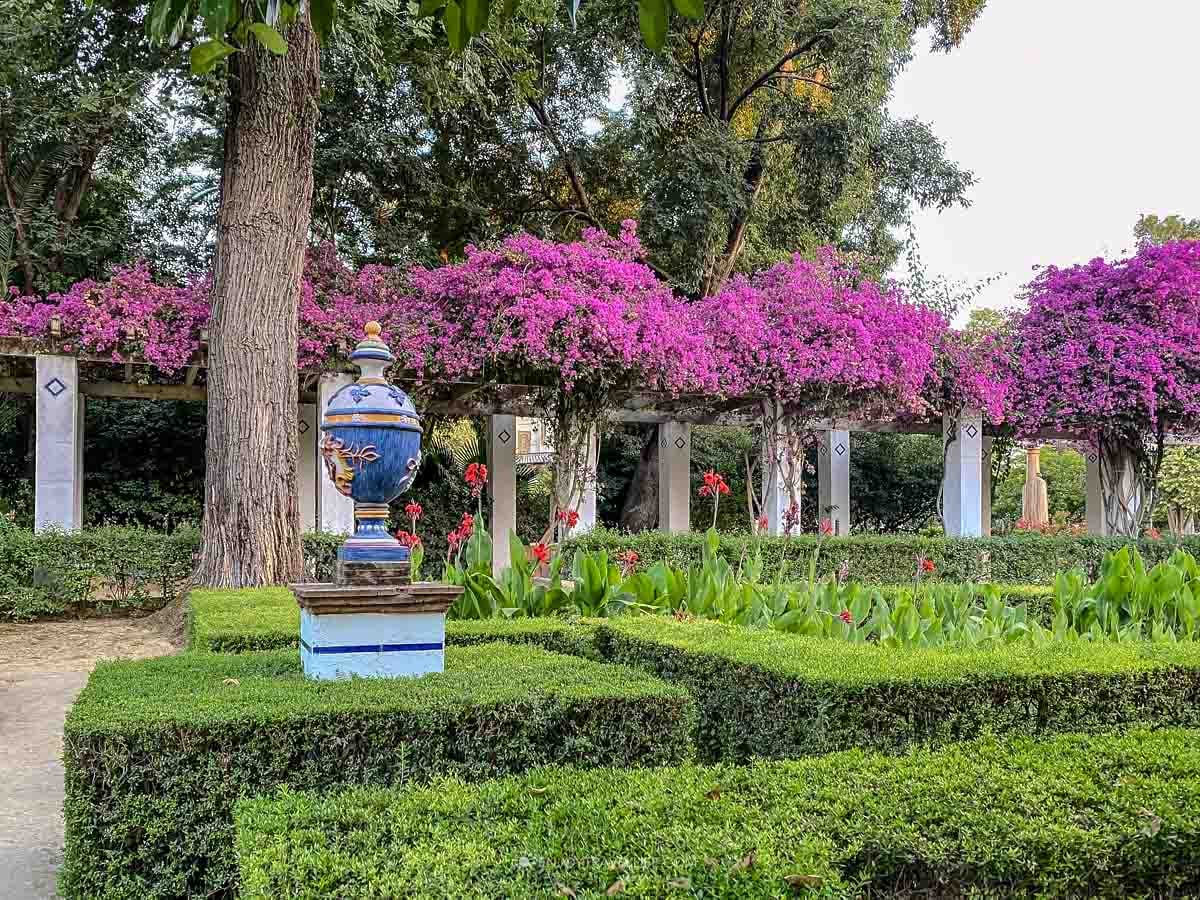

Want a more beautiful and inviting backyard? Venture beyond your own garden and you’ll find botanical garden inspiration everywhere. As a traveler, I’ve noticed that the world’s most memorable gardens share a few simple design principles, and they work just as well at home. Discover 7 easy lessons you can use to create a more beautiful, inviting, and relaxing outdoor space.
In This Article
7 Ways to Bring Botanical Garden Inspiration Into Your Own Outdoor Space
A botanical garden does more than show off beautiful plants. It creates a feeling.
You wander along a path, notice the scent of flowers, hear water moving nearby, and find quiet places to pause. Every turn feels intentional, but never stiff. The best botanical gardens feel natural, layered, and peaceful, like a small escape from ordinary life.
That same feeling can work beautifully at home.
You don’t need a massive yard or a formal landscape plan to borrow ideas from botanical gardens. With thoughtful details, even a modest backyard, patio, or side garden can feel more inviting, personal, and restful.
Here are seven ways to bring botanical garden inspiration into your own outdoor space.
1. Create a Path That Makes You Want to Explore
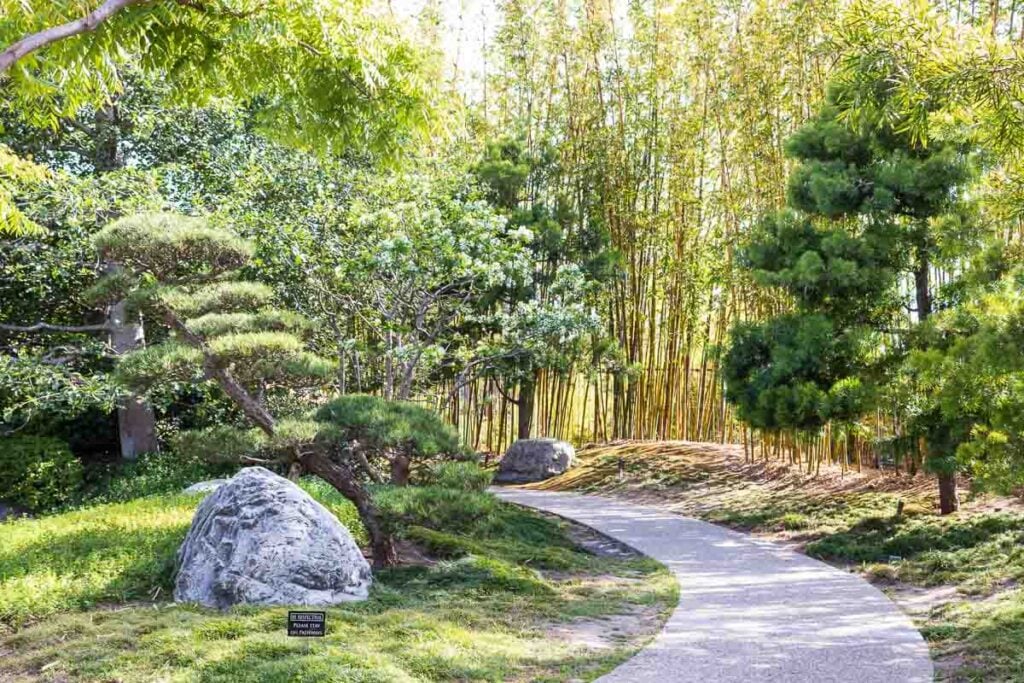
Botanical gardens rarely reveal everything at once. They use paths to guide you slowly through the space, giving you something new to notice along the way.
You can use that same idea at home with a simple garden path.
A walkway made from gravel, stepping stones, brick, mulch, or natural stone can make your outdoor space feel more intentional.
The best garden path ideas don’t need to be long or expensive. Even a short path from your patio to a bench, flower bed, herb garden, or birdbath can make the space feel more complete.
If possible, avoid making every path perfectly straight. A soft curve feels more relaxed and creates a sense of discovery.
I think about this every time I visit Heritage Gardens on Cape Cod, where the paths wind through rhododendrons and along the water’s edge, so you never quite see what comes next.
Pea gravel and irregularly shaped stepping stones are the lowest-maintenance path options for a home garden. Avoid poured concrete or overly uniform pavers if you want the relaxed, natural feel that botanical gardens are known for.
2. Layer Plants for Depth and Texture
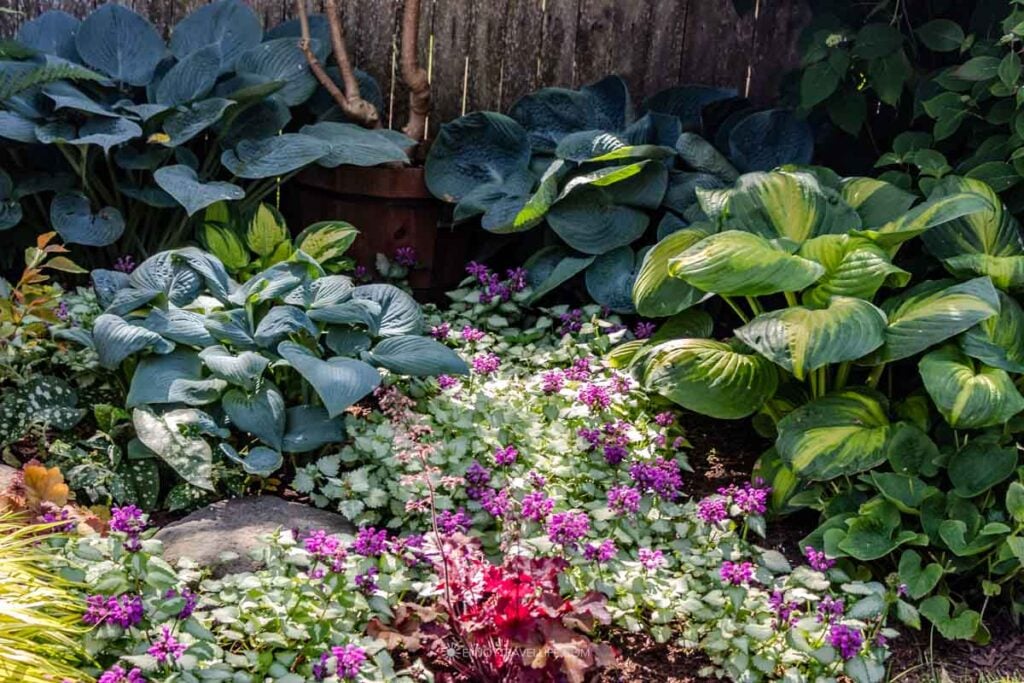
One reason botanical gardens feel so lush is that plants are arranged in layers.
Tall trees create shade and structure. Shrubs add fullness. Perennials bring color and movement, while groundcovers soften the edges. Together, these layers make the garden feel rich and established.
You can recreate designs like this at home by thinking about plant height before you plant.
Place taller plants in the back of a border, medium-height plants in the middle, and lower-growing plants near the front.
For the back layer, ornamental grasses like Miscanthus or Joe Pye weed give you height without looking stiff. In the middle, try echinacea or Russian sage. For the front edge, creeping thyme and sedum fill in nicely and stay low.
You’ll want to mix leaf shapes and textures, too. A garden with ferns, grasses, flowering plants, evergreens, and broad leaves will look interesting even when nothing is blooming.
This works because it makes the garden feel fuller without simply adding clutter.
I saw this done beautifully at Garden in the Woods in Framingham, Massachusetts, where native wildflowers are layered under a canopy so naturally that you would never guess it was designed.
3. Add a Place to Sit and Stay Awhile
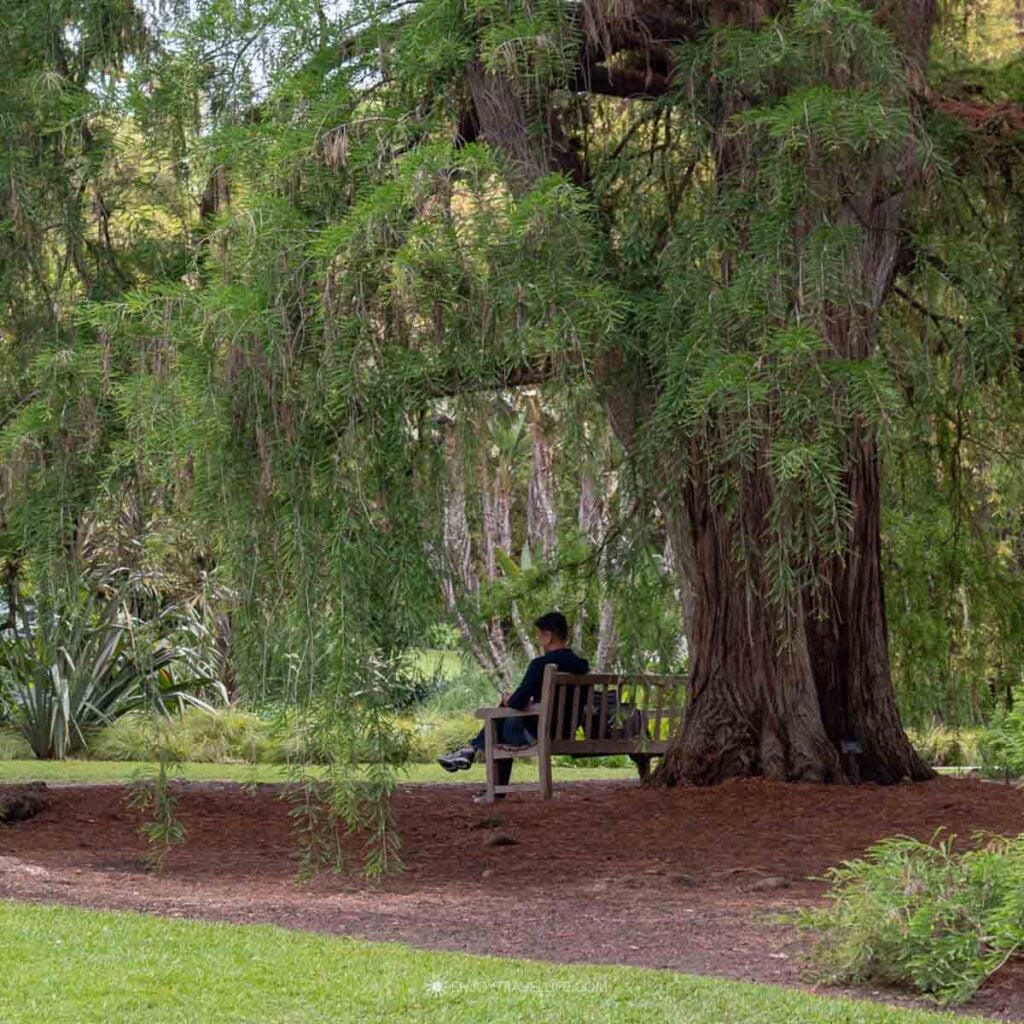
A beautiful garden should be somewhere you want to spend time.
Botanical gardens understand this well.
They place benches and seating areas where visitors naturally want to pause: under trees, beside water, near fragrant flowers, or at the end of a pretty path.
Try doing the same in your own yard.
Add a bench beneath a tree, two chairs beside a flower bed, or a small bistro table on the patio. Choose a spot where you already enjoy the light, shade, or view.
At Spohr Garden in Falmouth MA, some of my favorite benches are tucked along the waterfront where you can sit among daffodils in spring and look out at Oyster Pond. It’s nothing fancy, just a good seat in a beautiful spot.
That is the whole idea. Just make sure it’s comfortable enough that you’ll actually use it.
A garden becomes much more meaningful when it gives you a place to drink coffee, read, talk, or simply breathe.
4. Use Water to Create Calm
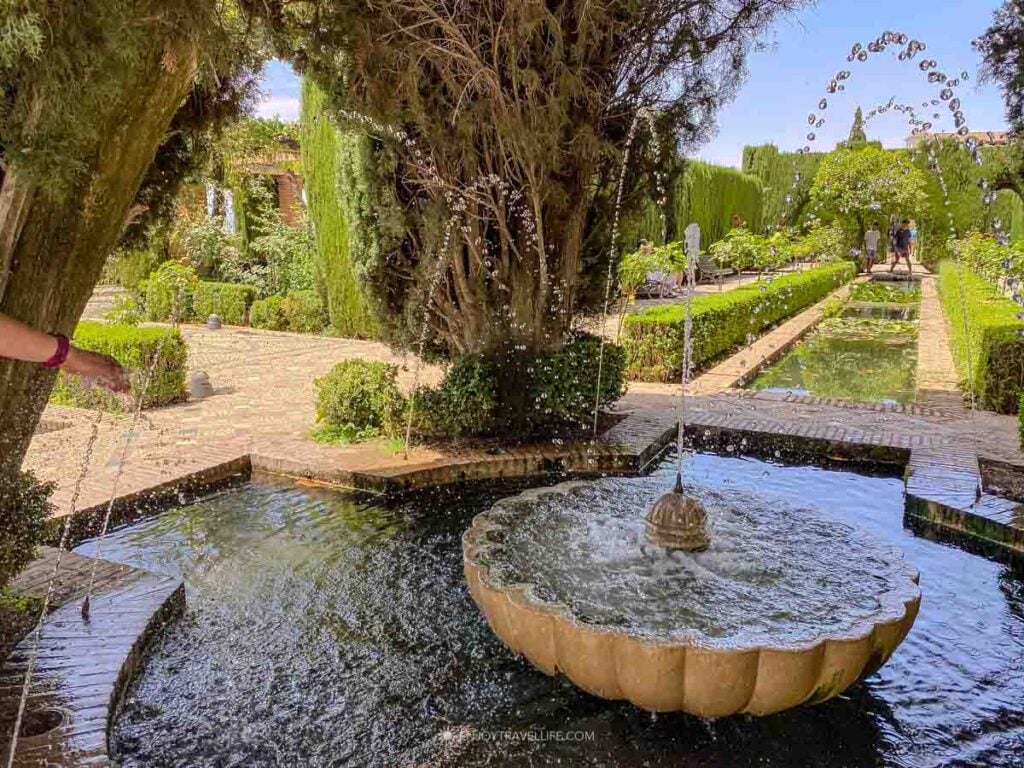
Water adds instant atmosphere to an outdoor space.
In botanical gardens, fountains, ponds, streams, and reflecting pools help create a peaceful mood.
The Alhambra in Granada might be the best example of this I have seen anywhere. Water is everywhere there, in narrow channels, tiled fountains, and long reflecting pools, and it shapes the entire feel of the gardens.
At home, you can get a similar effect on a smaller scale.
For instance, a birdbath, bubbling urn, tabletop fountain, or container water garden can bring movement and sound into your yard. Better yet, the gentle sound of water can also soften background noise from traffic or neighbors.
Place your water feature where you’ll notice it often, like near a seating area, close to a walkway, or outside a window you open in warm weather.
Garden water feature ideas don’t have to be expensive, either. A large ceramic bowl from a thrift store, a small submersible pump, and a few river rocks can create a tabletop fountain for under $40.
This small detail can make your garden feel much more relaxing.
A solar-powered bubbling urn is one of the easiest water features to install at home. No electrician, no plumbing, and the gentle sound carries further than you might expect.
5. Let Your Favorite Travel Memories Inspire the Design
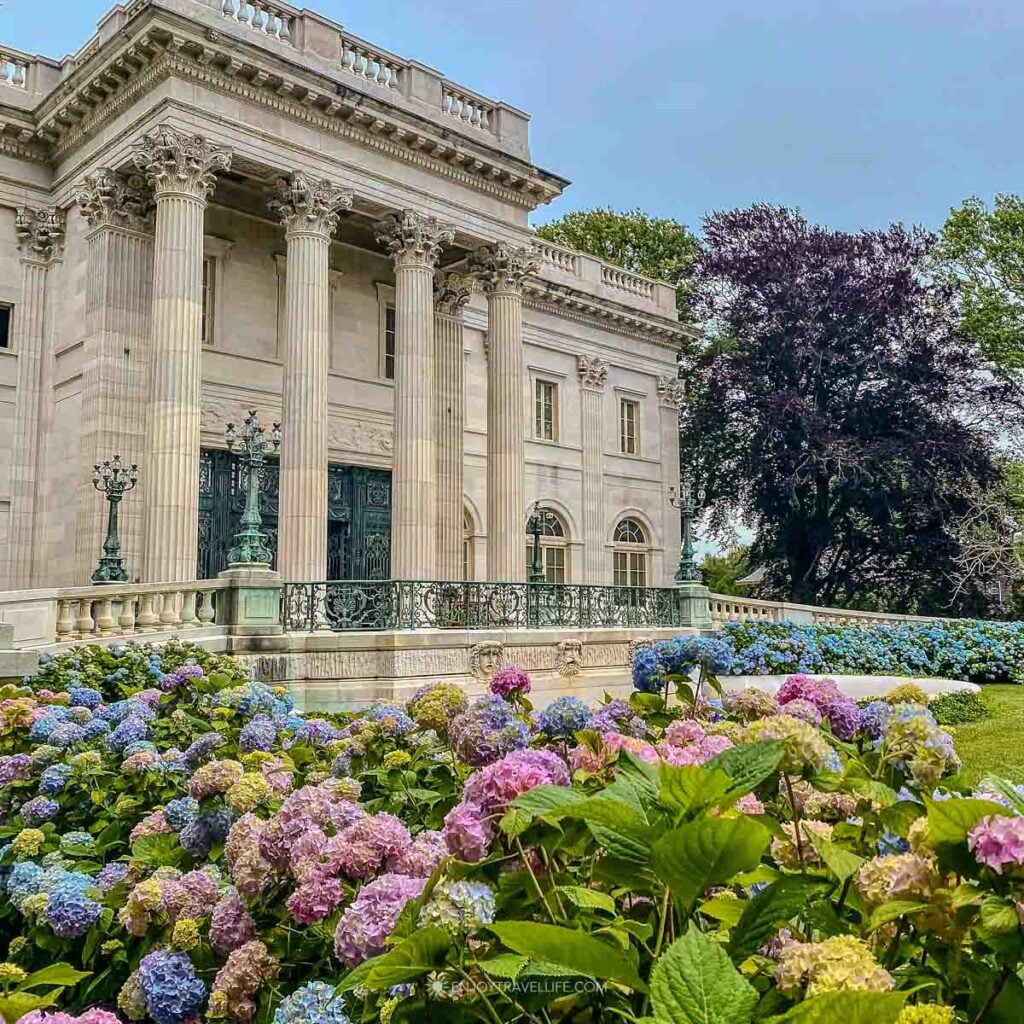
If you love travel, your garden can reflect the places that stay with you.
I’ve carried botanical garden inspiration home from all kinds of trips, where they become backyard garden design ideas.
- The Huntington in Los Angeles has a desert garden that made me rethink what a bold, low-water planting could look like.
- Boboli Gardens in Florence, Italy showed me how stone, gravel, and evergreen hedges can make a hillside feel both grand and intimate.
- On the Newport mansion tours in Rhode Island, the formal European-style gardens gave me ideas for symmetry and structure that I have borrowed in much smaller ways at home.
Maybe you remember a Mediterranean courtyard with lavender, rosemary, gravel paths, and terracotta pots. Maybe you loved a tropical garden filled with big leaves, bold flowers, and bright containers. Or maybe your favorite outdoor spaces are quiet woodland gardens with ferns, mossy stones, and filtered shade.
Use those memories as inspiration.
If you’re looking for more botanical garden inspiration, the Botanic Gardens Conservation International directory makes it easy to find gardens to visit around the world.
You don’t have to copy a place exactly. Instead, borrow the mood. Choose colors, plants, materials, and textures that remind you of somewhere you love.
A Mediterranean courtyard might inspire you to use more lavender, rosemary, gravel, and terracotta. A quiet woodland garden might lead you toward ferns, mossy stones, and filtered shade. Whatever it is, that personal connection will make your garden feel less like a generic backyard and more like your own private retreat.
6. Plan for More Than One Season
Botanical gardens are designed to offer beauty throughout the year. There is usually something to enjoy in every season: spring blossoms, summer flowers, fall color, winter berries, evergreen structure, interesting bark, or ornamental grasses moving in the wind.
Your home garden can do the same.
Instead of choosing plants only because they look good in peak bloom, think about what they offer across the year.
Before adding new plants, take a moment to check your USDA hardiness zone. It will help you choose plants that can thrive in your climate and provide reliable seasonal interest year after year.
Seasonal Planting at a Glance
| Season | What to Plant | Visual Interest |
|---|---|---|
| Spring | Bulbs, early perennials, flowering trees | Fresh greens, blossoms, bright pops of color |
| Summer | Annuals, perennials, container gardens | Full foliage, flowers, lush texture |
| Fall | Mums, ornamental grasses, berry-producing shrubs | Foliage color, berries, seed heads |
| Winter | Evergreens, hellebores, winterberry holly | Structure, bark texture, dried grasses |
The Arnold Arboretum in Boston is designed specifically for this. I have visited in every season, and there is always something worth seeing, from magnolias in April to fall foliage in October to the bare structure of specimen trees in January.
Spring bulbs can bring early color. Summer perennials can fill beds with flowers. Shrubs can offer fall foliage or berries. Evergreens can keep the garden from looking bare in winter.
This makes your outdoor space feel alive longer, not just for a few pretty weeks. If you’re not sure which plants work in your area, checking your USDA hardiness zone through the American Horticultural Society is a good starting point.
Take a photo of your garden from the same spot once a month for a full year before making big planting changes. You will quickly see which months feel bare and where to focus your seasonal plantings.
7. Make Bigger Changes with a Clear Plan
Small updates to your backyard can make a big difference. A new container garden, a refreshed flower bed, a bench, or a simple path can quickly improve how your outdoor space feels.
But larger changes need more planning.
If you want to reshape planting beds, add walkways, improve lawn health, plant trees, solve drainage problems, or create a more polished garden layout, professional help can make the process smoother. A landscape designer can look at your specific conditions, like sun exposure, drainage, and soil type, and recommend a plan that works with your property rather than against it.
For larger upgrades like these, Meadows Farms’ services can help turn botanical-garden inspiration into an outdoor space that feels beautiful, practical, and easy to enjoy at home.
That balance matters.
For a photo-worthy garden, it needs to work for your climate, your property, your schedule, and the way you actually live.
Final Thoughts on Botanical Garden Inspiration
Botanical gardens remind us that outdoor spaces can be calming, beautiful, and full of small discoveries.
Then, you can bring that same feeling home by creating a path, layering plants, adding a place to sit, including water, drawing inspiration from travel, and planning for year-round beauty.
Pick the one section of your yard that bothers you most, or the one you walk past every day without stopping, and start there. Then build out.
Over time, your outdoor space can become a peaceful garden retreat waiting just outside your door.
FAQs About Botanical Garden Inspiration
Do I need a large yard to create a botanical garden feel at home?
No. Even a small patio, side garden, or modest backyard can feel more intentional with a few changes. A short path, layered plantings in a single border, or a small water feature can create that botanical garden atmosphere in a compact space.
What is the easiest first step to make my garden feel more like a botanical garden?
Adding a simple path is one of the quickest ways to change how your outdoor space feels. A short gravel or stepping stone walkway from your patio to a focal point like a bench or flower bed creates structure and invites you to move through the space.
How do I choose plants that look good in more than one season?
Focus on plants that offer interest beyond their bloom time. Ornamental grasses provide texture from summer through winter. Shrubs with fall foliage or winter berries give you color in cooler months. Evergreens keep the garden from looking bare. Mixing these with seasonal bloomers creates year-round appeal.
What type of water feature works best in a small garden?
A birdbath, tabletop fountain, or small bubbling urn works well in tight spaces. Solar-powered options are the easiest to install since they don’t require plumbing or electrical work. Place the water feature near a seating area so you can enjoy the sound.
When should I hire a professional landscaper instead of doing it myself?
Simple additions like container gardens, flower beds, benches, and paths are manageable for most homeowners. Professional help makes the most sense for larger projects that involve reshaping beds, adding hardscape, planting trees, solving drainage issues, or creating an overall layout plan.

Next Steps
For more botanical garden-inspired travel ideas, read these articles next:
- Spring in Boston: 19 Beautiful Botanical Gardens and Garden Spaces!
- World Botanical Gardens: 35+ Beautiful Gardens That Will Inspire
- 3 Spectacular Botanical Gardens I Love at The Huntington Museum
- Fields of Lavender: Seafoam Lavender Garden in River John | Nova Scotia
- Botanic Garden Proposal Guide: Beautiful Places to Pop the Question
- Colorful Retreats in Scandinavian Gardens: A Perfect Visual Delight
- Best Virtual Garden Tours in the World